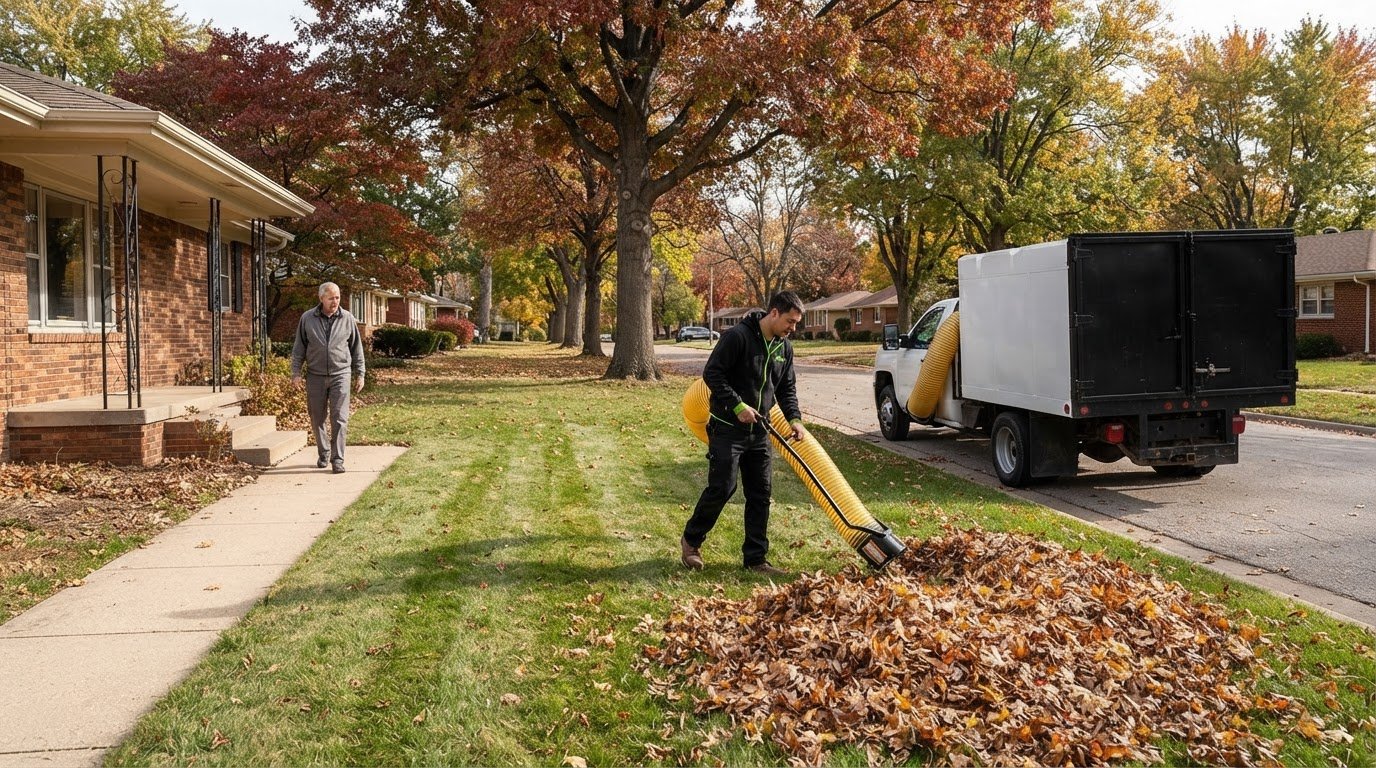

A striking lawn isn’t made by cutting the grass as short as possible. For homeowners making neighbors jealous of your lawn in Lincoln, the key mowing rule is to remove no more than one-third of each grass blade at a time. Keeping the cut measured helps the lawn maintain a neat, healthy appearance rather than looking scalped.
Soil and seasonal care matter, too. A soil test can show nutrient levels and whether the soil needs lime, helping guide fertilizing choices. For cool-season grass such as Kentucky bluegrass, fertilizing in early spring and early fall supports care through the growing season. The right plan also depends on the grass type and the condition of the lawn, so professional attention can help bring mowing, soil testing, and fertilizing into a consistent routine. Here’s what to consider when choosing mowing height and building a healthier, more appealing Lincoln lawn.
1. Choosing the right grass mowing height with professional lawn care
A polished Lincoln lawn starts with a measured cut, not the shortest possible one. The key rule is to remove no more than one-third of each grass blade during a mowing. Cutting more at once can leave the lawn looking uneven and stressed. A professional mowing plan keeps that limit in view while maintaining a tidy appearance between visits.
There isn’t one ideal mowing height for every Lincoln yard. The right setting depends on the grass type, current growth, and lawn condition. A thick stand of Kentucky bluegrass, for example, may need a different approach from mixed or patchy turf. Assessing the grass before mowing helps avoid treating every property the same.
Growth changes with the season. During a fast-growing stretch, frequent mowing can help avoid removing too much grass at once. If the lawn has grown tall between cuts, reduce its height gradually rather than cutting it much shorter in one visit. Weekly mowing helps maintain a consistent appearance and follow the one-third rule.
A professional mowing visit involves more than choosing a height. The crew considers the lawn’s appearance and current growth, aiming for an even finish across open areas and edges. Consistency along sidewalks, driveways, and garden borders helps a maintained yard look finished. For Lincoln homeowners aiming to make neighbors jealous of their lawn, steady mowing is a practical foundation.
- Assess the turf: Identify the dominant grass and note thin, uneven, or overgrown areas before setting the cut.
- Limit each cut: Remove no more than one-third of each blade, especially when growth has gotten ahead of the schedule.
- Keep the routine steady: Match mowing visits to growth so the lawn stays neat without an abrupt, severe trim.
Mowing mainly supports the lawn’s appearance and routine care. Outdoor comfort is a separate consideration for Lincoln properties, and mosquito and tick control addresses that different yard concern. Keeping these needs distinct helps homeowners plan care around the result they want, without expecting mowing height alone to solve every lawn issue.
A suitable cut and dependable schedule can help grass look more uniform from the curb and stay easier to maintain. Start by assessing the turf and its current growth. Then set a consistent mowing approach suited to the lawn, rather than relying on one height for every yard.
2. Professional soil testing and grass fertilizing
A lush Lincoln lawn needs nutrients suited to its soil, not guesswork. Soil testing identifies nutrient levels and whether lime is needed. The results help shape a fertilizing plan around the turf’s growing conditions. Without that information, adding products may not address the lawn’s primary need.
Soil testing starts by collecting samples from the areas being assessed. Conditions can vary across one property, especially where turf looks thin or grows unevenly. Test results help guide product selection and timing, while visible differences across the lawn can inform the plan. The goal is targeted care, not simply more fertilizer.
Grass type helps guide seasonal care. Cool-season grasses such as Kentucky bluegrass are commonly fertilized in early spring and early fall. Warm-season grasses, such as Bermuda or St. Augustine, have different growth patterns and care needs. Matching the approach to the grass helps avoid treating every lawn alike.
Timing also matters for annual weed control. According to Nebraska Extension, apply fertilizer plus preemergence herbicide for annual weeds, including crabgrass, when the 4-inch soil depth reaches 55F. That soil-depth measure gives a more useful timing signal than choosing a date alone. A professional can coordinate the application with the lawn’s needs and the appropriate treatment window.
Fertilizer and weed control serve related but distinct purposes. A soil test informs nutrient decisions, while a preemergence herbicide is aimed at preventing targeted weeds from establishing. For example, a lawn with crabgrass concerns may need the seasonal application timed to soil conditions, while a nutrient issue calls for a response guided by test results. A lawn fertilizing plan can bring those decisions into a consistent program.
- Review the soil: Use nutrient results and lime needs to guide the fertilizing approach.
- Identify the grass: Kentucky bluegrass and warm-season grasses follow different schedules.
- Time weed prevention: Use the 4-inch soil-depth reading for the crabgrass application window.
Lincoln lawns can also have separate needs in turf and planting beds. Keeping lawn fertilizing distinct from landscape bed weed control helps treatments stay focused on their intended areas. For help coordinating soil-informed lawn care, get in touch about a fertilizing plan that fits your property.
3. What lawn grasses grow best in Lincoln, Nebraska?
Kentucky bluegrass is a cool-season grass to consider for a Lincoln lawn. The best choice for a particular property depends on its existing turf, sunlight, soil, and regular use. A professional assessment can identify the grass already growing and determine whether its needs match the yard’s conditions.
Start with the lawn’s daily environment. A sunny front yard grows under different conditions from a shaded strip beside a building. A frequently used play area also faces more wear than a front lawn that mainly serves as a landscape feature; for high-traffic recreation zones or backyard putting spaces where living turf wears thin, artificial turf specialists like Pro Turf Greens offer examples of how synthetic surfaces handle constant activity. These differences affect which grass can maintain a healthy, even appearance.
Kentucky bluegrass is a cool-season example; Bermuda and St. Augustine are warm-season examples. These grasses are not interchangeable recommendations because their seasonal growth and care needs differ. Identifying the existing turf helps shape mowing and fertilizing around its growth pattern.
Established grass matters, too. If a Lincoln property already has a consistent stand of Kentucky bluegrass, caring for that turf may make more sense than changing the lawn’s direction. Thin patches or mixed growth call for an assessment of possible factors such as shade, soil conditions, or uneven care. The visible symptom alone may not reveal the underlying cause.
Useful questions during a professional assessment include:
- What grass is present? Identifying the dominant turf helps align routine care with its growth habits.
- How much sunlight reaches it? Compare open lawn with shaded areas near trees or structures.
- How is the lawn used? A play space and a mostly ornamental front lawn have different wear patterns.
- Where does growth look uneven? Note how thin areas relate to shade, foot traffic, and soil conditions.
These observations help distinguish a grass-selection question from a maintenance problem. Kentucky bluegrass that looks sparse in a shaded corner, for example, may need a different assessment from turf worn down along a regular walking route. Changing the grass without understanding the site can leave the same challenge unresolved.
In Lincoln, grass type and property conditions can guide a practical care plan. Consider the whole yard rather than choosing a seed name based on appearance alone. Matching care to the existing turf is a sensible foundation for a consistent-looking lawn, from the sidewalk to the backyard.
Leaving grass clippings on the lawn provides lawn food. This is one practical point to include when considering routine care for the turf already growing on the property. It does not replace identifying the grass or considering the yard’s sunlight, soil, and use; those details still help shape an appropriate plan. A professional assessment can keep the care approach connected to the lawn’s conditions, while leaving clippings on the lawn offers a straightforward way to provide lawn food. Keeping the focus on the existing grass and its needs helps make everyday decisions consistent with the goal of an even, healthy-looking lawn.
4. How can a lawn care professional improve bare spots, compacted soil, and poor drainage in a Lincoln lawn?
Bare spots, firm soil, and standing water can appear together, but each may point to a different lawn issue. Start by noting where symptoms occur and how they relate. Thin grass beside a frequently used path, for example, suggests a different concern from pooling water in a low area. Treating a visible patch without assessing its surroundings can miss the cause.
Compacted soil restricts movement through the soil and makes it harder for roots to grow. A professional checks whether the ground feels uniformly firm or shows concentrated wear near walkways and play areas. Mechanical aeration can relieve compaction by opening the soil, allowing air and water to move more freely. It is most useful when compaction, rather than shade or poor drainage, explains weak turf.
For bare spots, consider the size and location of each area. A small thin patch near a path may call for a different response from a broad, recurring bare area beneath a tree. Overseeding introduces grass seed into existing turf to help fill thin sections without replacing the entire lawn. Match the approach to the existing grass and the conditions affecting the spot.
Standing water calls for a closer look at the lawn’s surface and soil. A professional notes where water collects, how long the area remains wet, and whether nearby sections drain differently. Compaction can contribute to poor water movement, but a persistent low area may also point to a grading concern. Identifying that difference helps avoid treating every wet patch as an aeration problem.
- Map the symptoms: Compare bare areas, wet spots, and heavily used routes across the Lincoln property.
- Identify the likely cause: Distinguish compaction from shade, concentrated foot traffic, or a low-lying section.
- Match treatment to the site: Use aeration for compacted soil and overseeding for thin turf where conditions support new growth.
- Review the result: Reassess problem areas after treatment and note whether the original symptom persists.
Consider a Lincoln lawn with thin turf beside a driveway and water gathering in a separate corner. The driveway edge calls for attention to wear and soil firmness; the wet corner needs a drainage assessment. Treating both locations the same way overlooks their different conditions. A targeted plan gives each area the attention it needs.
When compaction and thin turf occur together, combining aeration with overseeding can address both concerns in one coordinated plan. For recurring puddles, first understand why water collects before choosing a treatment. This distinction keeps lawn care focused on visible symptoms and their underlying causes.
5. Your yard
A well-kept Lincoln yard feels cohesive, not just freshly mowed. Turf, planting beds, paths, and outdoor gathering areas each contribute to the overall impression. A professional can assess how these features work together, then prioritize the maintenance that supports a tidy, usable property. For example, a clean lawn edge beside a weed-free bed makes the transition between grass and planting look intentional.
Seasonal weed prevention is one part of that routine. For eastern Nebraska, Nebraska Extension in Lancaster County targets preemergence herbicide applications for crabgrass from April 20 to May 5. This window helps time treatment around the conditions that favor crabgrass prevention. A professional can coordinate lawn treatments with the rest of the yard’s seasonal care.
Grass clippings can contribute nutrients when they remain on the lawn. Instead of automatically removing them, a professional considers whether the clippings are suitable to leave in place and whether they affect the finished appearance. This choice can support lawn care while keeping the property neat. Clippings should not be treated as a substitute for a broader plan for soil and turf health.
Thatch management also benefits from a deliberate sequence. Dethatching is best done in spring or fall, and the grass should be mowed to half its usual height beforehand. After dethatching, fertilizing and watering help the grass recover. Because this work can affect the lawn’s appearance and condition, a professional can assess whether thatch is the issue before scheduling treatment.
Watering needs vary by region, and overwatering can damage a lawn. A professional considers local recommendations and the property’s conditions rather than assuming every yard needs the same routine. For instance, a low area that already holds water needs different attention from a dry, exposed section. Thoughtful watering supports turf without adding unnecessary moisture.
Beyond grass, planting beds and mulch can add color and definition around a home. Vegetable gardens can also bring fresh produce, but they require more time, dedication, and commitment to stay healthy and attractive. A professional can help keep bed edges and surrounding lawn orderly, while landscape lighting can guide family members and guests along a walkway toward the doorway at night.
Coordinate these details around how you use the property. A family that entertains outdoors may value clear walking routes and neat beds, while a household focused on lawn space may prioritize consistent turf care. A seasonal plan helps keep those needs aligned, from crabgrass prevention to bed maintenance. That steady attention gives a Lincoln yard a finished look without relying on one treatment alone.
ocused on lower-maintenance outdoor use can still make deliberate choices about beds, gardens, and mulch. Research local lawn-watering recommendations because watering needs differ by region, and overwatering can damage a lawn. Flowerbeds, vegetable gardens, and mulch are landscaping improvements to consider, with choices guided by how the yard is used. Garden Gate’s Great Gardens features 15 homes with notable front yards, offering examples of front-yard planting and maintenance that contribute to a cohesive impression. Keep decisions practical and consistent with the property’s needs.
Yardworx Lawn & Landscape
Yardworx Lawn & Landscape helps Lincoln homeowners bring mowing, soil care, and turf treatments into a coordinated lawn-care routine. Turn to the team when uneven growth, bare patches, or seasonal maintenance needs make it difficult to keep the yard looking consistent. Weekly Lawn Mowing Services support a tidy appearance, while the 6-Step Fertilizing Program and Aeration & Overseeding address other parts of lawn health. The right combination depends on the property’s grass and condition, so care can focus on what your yard needs rather than applying one approach everywhere. If you’re ready to discuss professional care for your Lincoln lawn, contact Yardworx Lawn & Landscape.
Give your Lincoln lawn a thoughtful next step
Making neighbors jealous of your lawn in Lincoln is best approached as an ongoing commitment, not a one-time makeover. As seasons change, the lawn can reveal where care needs attention. A new bare patch, thinning grass, or uneven growth can help guide the next step in maintaining your property.
Choose a plan that fits the yard you have and the appearance you want to maintain. Professional support can take recurring lawn tasks off your plate and help keep care coordinated as conditions shift. Yardworx Lawn & Landscape can help you consider a practical direction for your lawn and the maintenance it needs.
Discuss your Lincoln lawn with Yardworx Lawn & Landscape, then take the next step toward a yard you’ll be proud to enjoy.
Frequently Asked Questions
What mowing heights and schedules do lawn care professionals recommend for common Lincoln lawn grasses?
Adjust mowing height to the grass type and its current growth rather than using one setting for every Lincoln lawn. Kentucky bluegrass, Bermuda, and St. Augustine have different growth patterns, so mowing frequency should reflect how quickly the turf grows. A weekly schedule can help maintain a consistent appearance, with visits adjusted as conditions change. At each cut, remove no more than one-third of each blade to avoid cutting the lawn too severely.