
What if the brown patches spreading across your Lincoln yard aren't actually thirsty, but are being quietly consumed by an invisible guest? It's a frustrating sight for any homeowner who has invested time and money into their curb appeal. When you've followed every watering rule and your grass still looks tired, it's natural to feel like your hard work is being eaten away. You might even wonder if you're dealing with simple drought stress or something more sinister that requires a professional lawn fungus treatment Nebraska homeowners can rely on to save their turf.
We understand that your lawn is a place for your family and pets to enjoy, and the anxiety of disease shouldn't keep you from your peace of mind. This guide will help you accurately identify common local issues like Brown Patch or Dollar Spot so you can stop the guesswork. You'll gain a clear, step-by-step recovery plan that combines expert cultural practices with professional strategies. We will explore how proper mowing heights and the "85/60 Rule" can transform your yard from a fungus playground back into a healthy, vibrant sanctuary for your home.
Is it Heat Stress or Disease? Identifying Nebraska Lawn Fungus
Lawn fungus is a parasitic growth that takes hold when Nebraska’s summer humidity combines with high temperatures to create a breeding ground for spores. Distinguishing between a lawn that's just thirsty and one that's under attack is the first step toward recovery. You can perform a simple "Pull Test" to find the answer. Grab a small tuft of the affected brown grass and give it a firm but gentle tug. If the grass resists and stays anchored, it's likely just dormant due to the heat. If the blades pull away easily with slimy or dark, rotted ends, you're likely dealing with a disease that requires a targeted lawn fungus treatment Nebraska experts use to stop the spread. Identifying the problem early prevents the infection from "eating" your landscape investment.
Most Lincoln homeowners struggle with three main culprits: Brown Patch, Dollar Spot, and Summer Patch. These fungi don't just appear out of nowhere; they wait for the perfect environmental window. This often happens when the "85/60 Rule" is in effect, meaning daytime temperatures hit 85°F and nights stay above 60°F. When these conditions meet high humidity, your grass becomes vulnerable. Recognizing the visual markers of these diseases helps you choose the right path to a healthy, green lawn again.
Visual Symptoms of Brown Patch
Brown patch is perhaps the most recognizable disease in our region, especially during the sweltering months of July and August. You’ll notice irregular, light tan or whitish spots on the leaf blades, often surrounded by a dark brown margin. As the disease progresses, it often creates a "doughnut" pattern where the grass in the center of the patch starts to recover while the outer ring continues to die. On dewy mornings, you might even see mycelium, which looks like fine, white spider webs stretching across the grass. This is a clear signal that the fungus is active and feeding on your turf.
Dollar Spot and Rust Identification
Other diseases have distinct signatures that help us determine the right lawn care strategy for your property. Dollar Spot appears as small, bleached circles about the size of a silver dollar. While they start small, they can quickly merge into large, unsightly masses if left unchecked. Meanwhile, Lawn Rust presents as orange, powdery spores that coat the blades. If you walk across your yard and notice an orange tint on your shoes, your lawn is likely battling this fungus. These diseases specifically target the Kentucky Bluegrass and Tall Fescue blends common in Lincoln, taking advantage of low nitrogen levels or excessive evening moisture. Identifying these markers early allows you to move from worry to action, ensuring your lawn fungus treatment Nebraska plan is effective for the 2026 season.
The '85/60 Rule': Why Nebraska Lawns Are Prone to Fungus
Understanding why your lawn is struggling often comes down to a simple mathematical formula known as the "85/60 Rule." When daytime temperatures climb above 85°F and nighttime lows refuse to drop below 60°F, fungal spores activate and begin their attack. This specific temperature window is critical because the grass doesn't have a chance to cool down and recover from heat stress, making it the perfect host for disease. For homeowners seeking effective lawn fungus treatment Nebraska weather patterns are the primary factor we monitor to protect your turf. When the heat stays trapped overnight, it provides the energy these parasites need to spread across your lawn.
You might think more water or extra food helps a stressed lawn, but it can actually backfire during a heatwave. Watering in the late evening creates what experts call "The Watering Trap." This leaves grass blades wet for up to 12 hours, providing a long window for infection to take root before the morning sun can dry things out. Similarly, applying high-nitrogen fertilizer in the middle of a heatwave forces rapid, succulent growth. This soft new grass is essentially "candy" for fungi like Brown Patch. It's better to stick to a balanced 6-step fertilizing program designed specifically for local soil conditions.
Nebraska’s Summer Climate Triggers
Lincoln’s local humidity is often intensified by "corn sweat," a process where surrounding crops release moisture into the air. This transpiration keeps the air heavy and stagnant during July and August, which are the highest-risk months for fungal outbreaks in our area. Additionally, the heavy clay soil found throughout Nebraska often suffers from poor drainage. This trapped moisture at the root zone creates a humid microclimate right at the surface of your lawn, even if the top of the grass looks dry and brittle.
Susceptible Grass Types in Lincoln
Your lawn's genetic makeup determines how it handles these environmental stresses. Tall Fescue is generally considered a hard-working, drought-resistant variety, yet it remains highly susceptible to Brown Patch during humid stretches. Kentucky Bluegrass offers a lush, dark green aesthetic but is frequently targeted by Summer Patch and Dollar Spot. We recommend maintaining a diverse blend of grass types to ensure that if one variety is affected, the rest of your lawn can remain resilient. If you're unsure which grass type you have, it's helpful to reach out for a professional assessment before the summer heat peaks.
Stop the spread of disease immediately by adjusting your daily routine. The first and most effective step is to halt all evening watering. Moisture sitting on the leaf canopy overnight is an invitation for disease to thrive. Switch your irrigation schedule to the early morning hours, ideally between 4 AM and 8 AM, so the sun can naturally dry the blades. Next, you should bag your grass clippings during every mow. While mulching is usually great for soil health, leaving infected clippings on the lawn acts as a vehicle for the fungus to travel to healthy areas of your yard.
Managing nutrients and professional intervention are the next pillars of recovery. You should temporarily pause any high-nitrogen applications from your 6-step fertilizing program until the disease is dormant. Nitrogen acts like fuel for many fungi, encouraging the disease to grow faster than the grass can recover. For a reliable lawn fungus treatment Nebraska homeowners trust, professional-grade curative applications are often necessary. Commercial products offer a level of precision and strength that retail "rescue" bags often lack, ensuring the infection is stopped in its tracks rather than just slowed down.
Immediate Cultural Adjustments
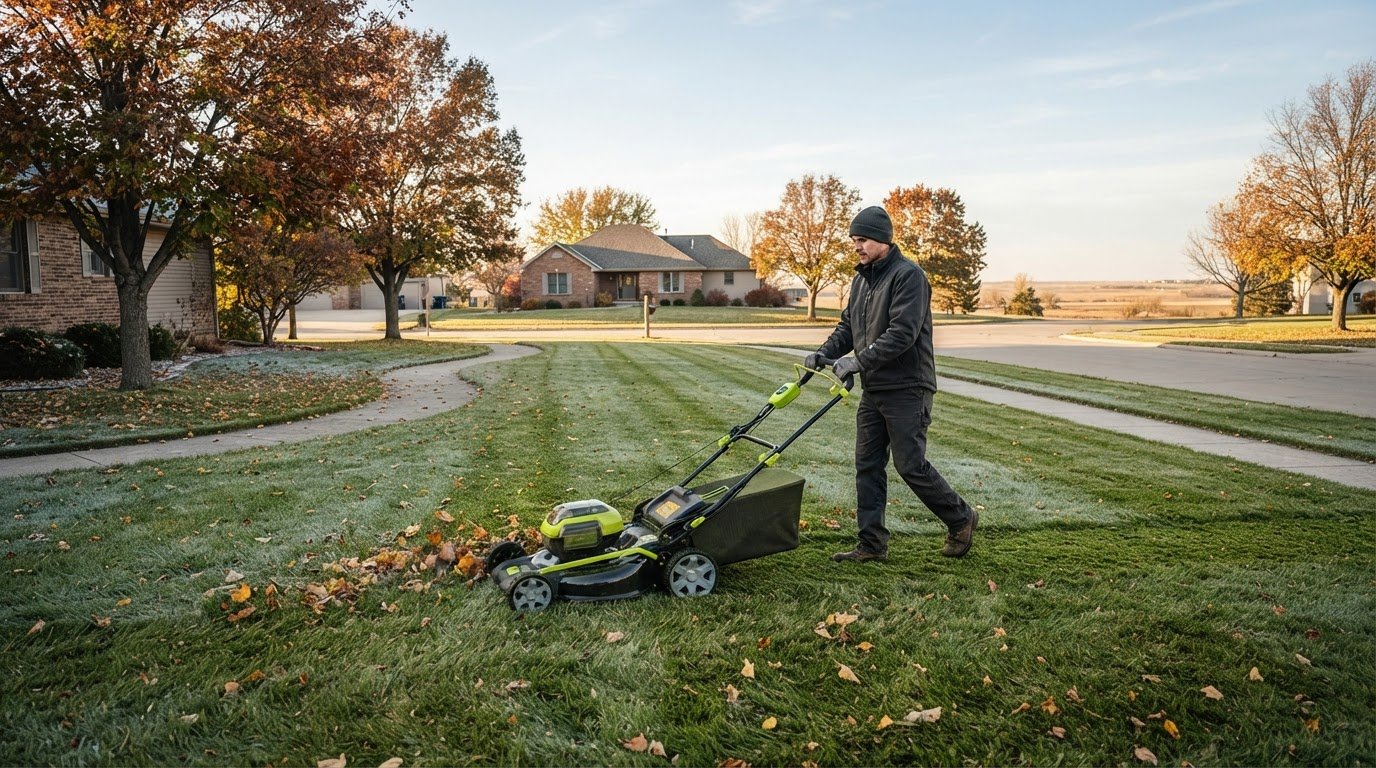
Raising your mower height to 3.5 or 4 inches is a simple change that yields big results. Taller grass has a deeper root system and can better withstand the stress of a fungal attack. You should also take a moment to clean your mower blades with a 10% bleach solution after cutting an infected area. This prevents you from accidentally re-infecting your yard during the next session. Finally, take a look at your landscape beds. Thinning out overhanging branches or dense shrubs improves airflow across the turf, which naturally discourages the damp conditions fungus loves.
Applying Fungicides Effectively
Effective chemical control requires understanding the difference between contact and systemic products. Contact fungicides work quickly on the surface to stop active spores, while systemic treatments are absorbed into the plant for long-lasting protection. In most cases, you’ll need two applications spaced 14 to 21 days apart to ensure a complete "kill" of the pathogen. Safety is our top priority, so always keep children and pets off the treated area until the product has completely dried. By following this structured lawn care plan, you can protect your family while restoring the health and beauty of your property.
While professional applications are vital for stopping an active outbreak, the most sustainable way to manage your yard is through consistent cultural practices. A resilient lawn acts as its own shield against disease. By focusing on the environment where your grass grows, you can reduce the need for intensive lawn fungus treatment Nebraska summers often demand. These methods don't just hide symptoms; they transform your soil and turf into a habitat where fungi struggle to survive. Effective prevention begins with understanding how to manage the moisture and air around your grass blades.
The "Morning Watering Rule" is your most powerful tool in this effort. You should aim to irrigate strictly between 4:00 AM and 8:00 AM. This specific window allows the water to soak deep into the root zone before the heat of the day, while ensuring the sun dries the leaf blades quickly. Avoiding the "Watering Trap" of evening irrigation prevents the 12-hour moisture window that fungi use to infect healthy plants. Deep, infrequent watering encourages roots to reach further into the soil for moisture, building a hardy system that can withstand the stress of a typical Lincoln summer.
Thatch management is another critical factor in disease prevention. Thatch is a layer of organic debris that sits between the green grass and the soil surface. When this layer becomes too thick, it acts like a "fungal hotel," trapping moisture and heat while providing a home for spores to overwinter. Core aeration is the ultimate non-chemical defense here. By pulling small plugs of soil from the ground, you allow the lawn to breathe and break down that thatch layer naturally. It's a proactive way to ensure your property remains a place of leisure rather than a source of maintenance anxiety.
Irrigation Best Practices
Consistency is key when setting up your watering schedule. You should aim for 1 to 1.5 inches of water per week, ideally delivered in two deep sessions rather than daily light mists. You can easily check your system's efficiency with a "tuna can test." Place a few empty cans around your yard while the sprinklers run to see how long it takes to reach half an inch. This audit ensures you don't have soggy spots where disease can fester. If your coverage seems uneven, professional irrigation maintenance can help fine-tune your system for maximum health.
Mowing and Thatch Management
Your mowing habits directly impact how easily spores can enter the plant. You must maintain sharp mower blades to ensure a clean cut. Dull blades shred the grass, leaving ragged edges that are much more susceptible to infection. This attention to detail is a form of lawn fungus treatment Nebraska residents can implement themselves to maintain a beautiful yard. Additionally, your 6-step fertilizing program should prioritize slow-release nitrogen to avoid the "flush" of soft growth that fungi love to attack. For lawns with significant buildup, scheduling aeration and overseeding Lincoln NE homeowners trust is the best way to reduce thatch and introduce disease-resistant grass varieties. If you're ready to build a more resilient lawn, contact us today for a personalized plan.
Restoring Your Turf: Professional Treatment and Recovery in Lincoln
Professional-grade fungicides offer a level of protection that standard retail "preventatives" simply cannot match. While big-box store products often provide a generic, one-size-fits-all approach, a professional lawn fungus treatment Nebraska homeowners trust utilizes concentrated active ingredients tailored to our specific climate. These commercial solutions are designed to stay effective even during Lincoln’s most humid stretches, ensuring the disease cycle is broken for good. Instead of reacting to brown spots as they appear, we help you transition into a proactive lawn care plan that monitors weather patterns and soil health to stop outbreaks before they start.
The Yardworx approach centers on expert diagnosis combined with precise seasonal timing. We don't just spray and leave; we evaluate the environmental factors, such as stagnant air or poor drainage, that allowed the fungus to take root. By identifying the specific pathogen, we can apply the exact curative treatment needed, saving you the time and frustration of trial-and-error. This methodical strategy removes the burden of maintenance from your shoulders, allowing you to simply relax and enjoy a healthy, vibrant outdoor space with your family.
The Recovery Phase: Thickening Your Lawn
Once the active disease is under control, the focus shifts to rebuilding the damaged areas of your yard. We recommend waiting for the cooler temperatures of early fall before beginning an aggressive overseeding project. Using proven how to thicken lawn Nebraska strategies allows new, disease-resistant grass varieties to fill in those unsightly brown patches. Our 6-step fertilizing program plays a vital role here, providing a steady stream of nutrients that help the grass recover its strength. Additionally, professional aeration ensures these nutrients and oxygen reach the root zone of your recovering grass, creating a dense canopy that naturally crowds out future spores.
Why Choose Yardworx for Fungus Control?
Choosing a local partner means working with experts who understand Lincoln’s unique micro-climates and heavy clay soils. We’ve spent years refining our treatments to handle the specific challenges of Nebraska summers, from "corn sweat" humidity to sudden heatwaves. Our reliable, scheduled visits take the guesswork out of property care, providing you with a predictable routine and a consistently beautiful result. We take pride in being the diligent caretakers of your landscape, ensuring every detail is managed with professional care. If you're ready to move past the stress of lawn disease, request a free estimate for professional lawn treatments today and let us restore the peace of mind you deserve.
Enjoying a Healthy, Disease-Free Lawn in 2026
Reclaiming your yard from disease doesn't have to be a source of constant stress. By understanding the 85/60 Rule and adjusting your irrigation habits to the early morning, you've already taken the most important steps toward a resilient landscape. Identifying the specific fungus early through the "Pull Test" or visual markers ensures you apply the right solution before the damage spreads through your turf. These simple shifts in your routine protect your investment and keep your property looking its best during the peak of summer.
While cultural changes provide a strong foundation, some outbreaks require the precision and strength of a professional lawn fungus treatment Nebraska experts can provide. As a locally owned and operated team serving Lincoln since 2026, we take pride in managing the technical details of your 6-step fertilizing and treatment programs. We are here to act as your trusted caretakers, removing the burden of maintenance so you can simply relax. Get a Free Quote for Professional Lawn Fungus Treatment today and let us restore the vibrant, healthy environment your home deserves.
Frequently Asked Questions
Can lawn fungus spread to my neighbor's yard?
Yes, fungal spores are easily transported by wind, water runoff, and shared landscaping equipment. If you use a mower and then move to a neighbor's lawn without cleaning the blades, you can easily transfer the pathogen. Spores can also travel through the air during humid conditions. Maintaining a healthy lawn through a professional lawn fungus treatment Nebraska program helps prevent your yard from becoming a source of infection for your neighbors.
Will my grass grow back after a fungus attack?
Most grass will recover if the fungus only affects the leaf blades, but crown or root rot can be fatal. Fungi like Brown Patch often leave the roots intact, allowing for regrowth once the disease is dormant. You can speed up this recovery by focusing on aeration and overseeding in the fall. This introduces fresh, resilient grass varieties that fill in thin areas and restore your lawn's density.
Is it okay to mow my lawn if it has fungus?
You can mow your lawn, but you must take specific precautions to avoid spreading the spores further across your property. Always bag your clippings instead of mulching them, as infected grass blades can re-infect healthy areas. It's also vital to clean your mower deck and blades with a 10% bleach solution after finishing. Mowing when the grass is completely dry is another helpful tactic to minimize movement.
How much does professional lawn fungus treatment cost in Lincoln?
The cost varies based on the size of your property and the severity of the infection. Factors such as the type of fungicide required and the number of applications needed to break the disease cycle will influence the final investment. While DIY products don't always provide the same strength, professional treatments use commercial-grade ingredients that yield more reliable results. We recommend contacting a local expert for a personalized estimate.
Does dish soap kill lawn fungus?
No, dish soap is not an effective or recommended treatment for lawn fungus. While some home remedies suggest it as a surfactant, it lacks the chemical properties needed to kill fungal pathogens. In fact, using soap can strip the natural protective oils from your grass blades, making them more vulnerable to heat stress and further infection. It's much safer to rely on professional-grade fungicides designed for Nebraska soil.
Can I treat lawn fungus in the winter?
Winter treatments are generally ineffective because most lawn fungi are dormant during freezing temperatures. In Nebraska, fungi like Snow Mold may appear as the snow melts in early spring, but the best time for intervention is during the active growing season. Focus on fall aeration and proper leaf removal to prevent moisture from being trapped against the grass. This proactive approach reduces the risk of fungal outbreaks.
How long should I wait to let my dog on the grass after a fungicide application?
You should keep your pets off the treated area until the fungicide has completely dried. This usually takes between two to four hours depending on the humidity and sunlight levels in Lincoln. Once the product is dry, it's generally considered safe for dogs to return to the lawn. Always check the specific instructions provided by your service technician to ensure you are following the safety guidelines for the particular product.
What is the best time of day to apply fungicide?
The best time to apply a fungicide is in the early morning or late evening when temperatures are cooler. Applying products during the heat of the day can cause the treatment to evaporate too quickly or even stress the grass blades. Early morning applications are particularly effective because they align with the natural dew cycle. This timing ensures the product has ample time to be absorbed before the intense sun arrives.