
If you’re deciding whether to bag or mulch clippings in Lincoln, mulching is the better default for most homeowners who mow regularly. Remove no more than one-third of the grass blade in a single mowing so the clippings stay small and spread evenly. Bag clippings when the grass is wet or overgrown, or when fallen leaves cover the lawn.
Bagging can leave a tidy finish, but it removes nutrients from the lawn. Mulching returns clippings to the soil as they break down. Moisture and how evenly the clippings spread also affect the lawn’s appearance and growth.
This guide explains how mulching and bagging affect lawn moisture, nutrients, and clipping coverage, and when it makes sense to switch between them. Use the practical checks below to choose based on grass height and mowing conditions, without removing useful material unnecessarily.
Should You Bag or Mulch Your Grass Clippings?
For most Lincoln homeowners who mow regularly, mulching is the better default because it returns nutrients and organic matter instead of removing them. Keep clippings finely cut and evenly spread. Bag them when wet or overgrown grass, or heavy leaf cover, would leave clumps on the turf.
Mulching Grass Clippings
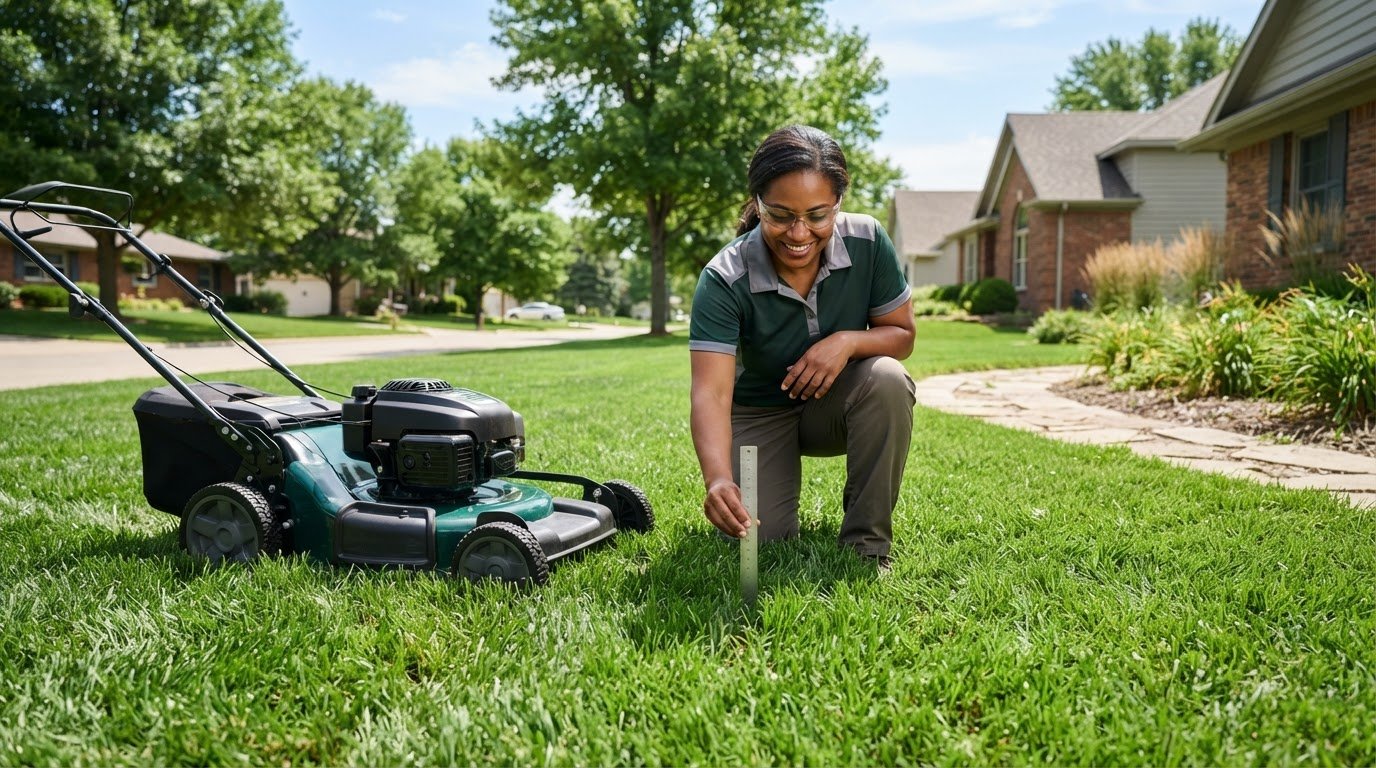
Mulching chops grass clippings into small pieces and leaves them across the lawn. Bagging collects and removes them. Mow often enough to cut no more than one-third of the blade at a time. Taller clippings are more likely to bunch instead of settling between grass blades.
For example, if grass reaches 3 inches, removing no more than 1 inch leaves about 2 inches behind. Mulch only when clippings can spread evenly, not when wet grass or a heavy layer of fallen leaves would cover the turf.
Bagging Grass Clippings
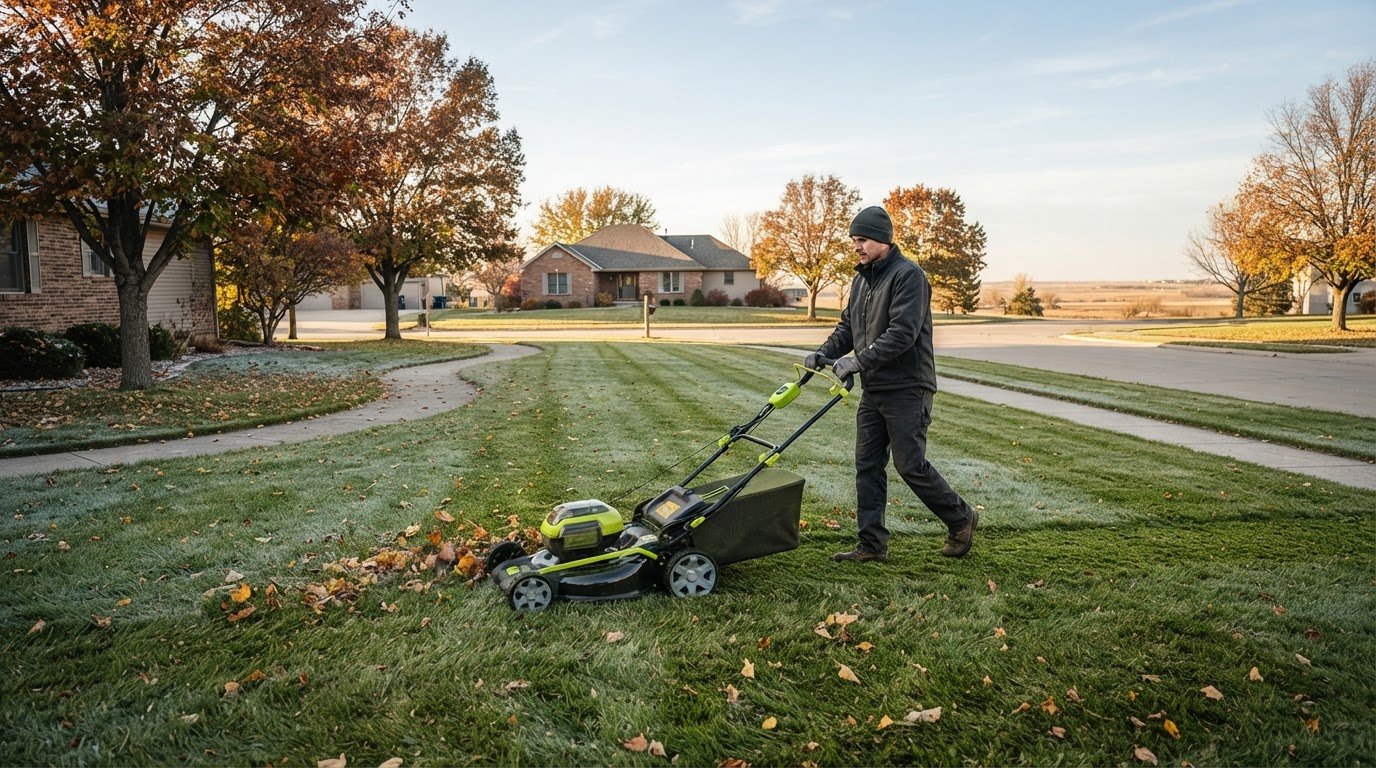
Bagging collects clippings for removal or composting, leaving less cut material on the lawn. Choose it when grass is wet or overgrown, leaves cover the grass, or clippings could spread weeds or disease. After an unusually tall growth period, bag or side-discharge the first cut, then return to mulching once the grass is manageable.
The City of Lincoln recommends leaving finely mulched clippings on the lawn because they break down and add nutrients and organic matter. Sweep clippings from streets, sidewalks, and driveways back onto the lawn so they don’t wash into storm drains.
Grasscycling Nutrient Return
Grasscycling means leaving cut grass on the lawn, usually by mulching. Clippings contain roughly 80% to 85% water, and their decomposition can supply up to 25% of a lawn’s annual nitrogen needs. Estimates also put the fertilizer contribution from returned clippings at about 15% to 20%.
As the pieces decompose, they return moisture and organic matter to the soil. During drought periods, returning clippings can reduce soil moisture evaporation by 20% to 30%. Those benefits depend on fine distribution: clumps can smother grass rather than break down evenly.
Mulching Mower and Blade Choices
A mulching mower or blade keeps clippings circulating beneath the deck, cutting them finely before they fall back onto the lawn. A bagging setup directs clippings into a collection bag. Check your mower’s operator’s manual to identify its blade type and setup.
What type of mower or blade is best for mulching grass clippings? Use a mower equipped for mulching, with a blade that finely cuts circulating clippings. Keep the blade sharp for a clean cut and smaller pieces that spread more evenly.
For cool-season grass, a general cutting-height range is 2 to 2.5 inches, but the City of Lincoln recommends maintaining lawn height at 3 inches or more. Follow the local recommendation for Lincoln turf, and adjust mowing so you remove no more than one-third of the blade at once.
Are there local lawn care recommendations for Lincoln, Nebraska’s climate and grass types? Yes. The City of Lincoln recommends a mowing height of 3 inches or more and leaving finely mulched clippings to return nutrients and organic matter.
| Option | Nutrients and moisture | Clipping distribution | Best fit |
|---|---|---|---|
| Mulch | Returns nutrients, moisture, and organic matter | Fine pieces spread over turf | Regular mowing and manageable growth |
| Bag | Removes clippings and their nutrients | Collects cut grass for removal or compost | Wet, overgrown, diseased, or leaf-covered grass |
Does Lincoln, Nebraska have rules for disposing of grass clippings? The City of Lincoln recommends leaving finely mulched clippings on the lawn and sweeping stray clippings from paved surfaces back onto the turf. For Lincoln yards, seasonal outdoor care can also include Lincoln pest control.
Choose mulching when grass is dry, regularly cut, and evenly distributed. Choose bagging when conditions would leave heavy clumps or when you need to remove unwanted material.
Benefits of returning clippings to the lawn
Leaving clippings in place can return nutrients while keeping the lawn’s surface clear of piles. The right choice depends on whether the clippings spread evenly or form a heavy layer across the turf.
Leaving Clippings on the Lawn
Returning clippings means letting cut grass settle across the lawn rather than collecting it. The City of Lincoln says finely mulched clippings break down and add nutrients and organic matter to the soil.
Grasscycling is a useful part of routine lawn care because it keeps nutrients where the grass can use them. For an even spread, mow when the lawn is dry enough for clippings to fall between grass blades instead of sticking together.
Clippings, Disease, and Other Problems
Can grass clippings cause thatch, lawn disease, or other problems? Properly cut clippings don’t cause thatch, but clumps can smother turf if they don’t break down evenly. Bag clippings from areas affected by disease or weeds rather than leaving that material on the grass.
Loose clippings and thatch are different materials. Before returning more grass to your Lincoln lawn, check its surface. If a thick thatch layer is already present, address that condition rather than adding clippings to a dense layer.
Bagging also changes the lawn’s appearance. Collecting visible clippings can leave a cleaner-looking surface right after mowing, especially when growth is uneven or cut grass lies in patches. The tradeoff is that, according to the City of Lincoln, bagging removes nutrients from the lawn.
Let the lawn’s condition guide your choice instead of treating either method as a fixed rule. Mulch healthy grass when clippings spread lightly across the turf; bag them when weeds or disease affect the area. If wet grass sticks together, wait for drier conditions or collect the clumps.
After mowing, scan the lawn for thick piles and bare patches. Redistribute small clumps with another pass, but collect dense piles that cover the grass below. This helps prevent smothering and keeps the surface more even.
- Leave clippings: healthy grass, evenly spread, with no heavy piles.
- Collect clippings: diseased or weedy areas, or clumps covering turf.
- Check thatch: address a dense existing layer before relying on grasscycling.
For a tidy finish, focus on spreading clippings evenly rather than collecting every piece. In Lincoln, returning healthy, finely distributed grass helps replenish soil nutrients; bagging is the practical choice for problem areas.
Soil conditions near pH 6.5 support natural decomposition of organic matter. For Lincoln lawns, remove thatch more than half an inch thick before recycling clippings; soil testing is recommended every three years.
How mulching and bagging affect moisture and nutrients
Mulching, bagging, and side discharging leave different amounts of cut grass on Lincoln lawns. The choice determines whether clippings return nutrients and organic matter to the turf or leave the property.
Nutrients and Moisture from Mulching
Mulching chops clippings and spreads them across the lawn, where they decompose. In Lincoln, grasscycling can provide the equivalent of one regular fertilizer application, or 1 lb of nitrogen per 1000 ft2 per year. During drought periods, returned clippings can also reduce soil moisture evaporation by 20% to 30%.
Clippings can help retain moisture in the soil, but they don’t replace irrigation when grass needs water. Spread them evenly so nutrients return across the turf instead of collecting in piles.
Nutrients and Moisture from Bagging
Bagging collects clippings instead of returning them to the lawn. The City of Lincoln says it removes nutrients, so the nitrogen and organic matter from those clippings don’t return to that area. Bagging can still make sense when wet or overgrown grass would form heavy clumps, or leaves cover the turf.
For example, collect clippings from a diseased patch rather than spreading them across healthy grass. If appropriate, compost collected material, but keep clippings affected by disease separate.
Side Discharging Clippings
Side discharging sends clippings out from the mower deck instead of finely recirculating them or collecting them in a bag. Like mulching, it returns grass material to the lawn and can add nutrients to the soil. It may make mowing faster, but larger pieces can land on walks, driveways, or streets.
After side discharging, sweep stray clippings from paved areas back onto the lawn. The City of Lincoln advises doing this to keep grass from washing into storm drains.
Choosing Between Clipping Methods
Choose mulching when clippings can spread lightly over the turf, and bag when grass is diseased, weedy, wet, or overgrown. Side discharge offers another way to return clippings, though it may need cleanup around paved edges. Leaves matter too: don’t mulch clippings into a leaf layer over 2 inches that leaves smothering clumps.
Use the lawn’s condition as your guide, not a fixed setting. If cut grass lies in dense rows, collect or redistribute it before it covers the turf. If clippings are fine and evenly spread, leave them to decompose and return nutrients.
Mulching blades finely cut circulating grass clippings, helping them decompose and return nutrients to the lawn. Mulching works well when the finely cut material can remain spread across the turf instead of being collected.
With extremely overgrown grass, bag or side-discharge it before returning to mulching. Side discharging can make mowing faster, but may leave clippings on driveways, sidewalks, or roadways that need cleanup.
Benefits of mulching and returning nutrients
Mulching returns finely cut grass to the lawn instead of sending it away in a collection bag. In Lincoln, the City recommends leaving finely mulched clippings because they break down and add nutrients and organic matter to the soil. Spread the pieces across the turf so they decompose rather than forming dense piles.
Think of each mowing as returning plant material, not as replacing fertilizer. Grass clippings contain nutrients absorbed by the blades as they grew. As the pieces decompose, those nutrients rejoin the soil cycle. Bagging interrupts that process by removing the cut material from the lawn.
For a clean grasscycling pass, mow when the grass is dry and avoid leaving visible rows. If clippings collect in strips, change direction for another pass or spread the material by hand. When applying clippings as mulch around plants, use no more than a 1-inch layer at a time. A thick layer can mat instead of breaking down.
Collected clippings can also go into a compost pile. Mix them with other compost materials instead of leaving them in a dense, wet mass. For example, compost clippings from an uneven cut, while leaving evenly spread clippings on healthy turf. This avoids surface buildup while making use of the collected material.
The City of Lincoln also recommends sweeping clippings from driveways, sidewalks, and streets back onto the lawn. Do this after mowing, before wind or rain can move the material toward storm drains. A quick check around the edges returns loose nutrients and clears paved areas.
Mulching works best as part of consistent lawn care. Keep the mower cutting cleanly, spread clippings evenly, and check for mats after mowing. If the lawn has heavy thatch or clippings repeatedly gather in clumps, address those conditions before adding more material. Organic matter helps when it reaches the soil, not when it blankets the grass.
Follow a simple sequence: mow so clippings are finely cut, check the surface for rows, then redistribute or collect heavy piles. When grass is healthy and clippings lie lightly across the turf, let them decompose in place. When collection is needed, compost the clippings rather than leaving a thick layer on the lawn.
If keeping mowing and clipping distribution consistent is difficult, talk with a lawn care team about a routine that fits your property.
Clipping size and even distribution
Small, evenly spread clippings decompose more readily than long pieces gathered in rows. For rapid decomposition, keep grass pieces under 1 inch long, or no more than one-third of the total plant height. The cut and the spread both matter: fine pieces can still smother turf if the mower leaves them in dense piles.
Start with the one-third rule each time you mow. Removing no more than one-third of the blade at once helps prevent oversized clippings that are difficult to spread. If the lawn has grown too tall for a clean mulching pass, mow in stages rather than forcing one cut. Bag or side-discharge the first cut if needed, then mulch once the grass is manageable.
During active growth, aim to mow every 5 to 7 days, adjusting for weather and how quickly the grass grows. In August, mowing every 5 to 7 days helps keep clippings small enough to decompose rapidly. Regular timing matters because a lawn that grows beyond the mower’s capacity can leave clumps even with a mulching setup.
Blade condition also affects the result. Sharpen mower blades every 4 to 6 weeks during regular use so they cut grass cleanly. Dull blades can tear rather than slice, leaving ragged tips and less consistent pieces. After mowing, inspect the lawn for visible rows; make another pass in a different direction or redistribute heavy patches before they settle.
- Check the cut: clippings should be short, not long strands or thick handfuls.
- Check the spread: grass should fall between blades, not form continuous rows.
- Adjust the next pass: change mowing direction where clippings gathered.
Lincoln homeowners should also balance clipping distribution with appropriate lawn height. The City of Lincoln recommends maintaining grass at 3 inches or more. Keep that height in mind while following the one-third rule; avoid scalping the lawn just to remove clippings in a single pass. Consistent mowing helps preserve healthy turf while keeping cut material manageable.
If the mower leaves clumps across the lawn, collect them rather than leaving a blanket over the grass. A thin, even layer can return nutrients, while concentrated piles block light and air from the turf beneath. During the growing season, check the surface after mowing to catch uneven patches before they mat down.
Use the lawn’s appearance as the final test: fine pieces spread across the surface can remain, while long rows or piles should be redistributed or collected. For a consistent cut and clipping spread, get help with your lawn mowing routine.
Yardworx Lawn & Landscape: Weekly Lawn Mowing Services
Yardworx Lawn & Landscape offers Weekly Lawn Mowing Services for homeowners who want a consistent mowing routine and an orderly lawn. Regular mowing helps keep grass from growing too tall between cuts, making it easier to mulch clippings evenly or collect them when conditions call for bagging.
If your lawn often has long clippings, uneven coverage, or piles left after mowing, a dependable schedule can help keep those issues manageable. Yardworx also provides a 6-Step Fertilizing Program, Aeration & Overseeding, and Lawn Care to support seasonal turf maintenance. These services complement mowing, but the right clipping choice still depends on grass growth and how evenly cut material spreads.
For help keeping your Lincoln lawn maintained, contact Yardworx Lawn & Landscape.
Make your next mowing routine work for your lawn
If you’re still asking, “Should I bag or mulch clippings in Lincoln?” let the lawn’s condition guide your next cut. Notice where clippings gather and how the turf looks afterward. A brief note after each mowing can help you spot patterns, such as areas that grow faster or patches that need a different approach.
That simple observation makes clipping management part of seasonal lawn care instead of a decision you have to make from scratch each time. Adjust your routine as growth and weather change, aiming for an even finish that suits your yard. If mowing and lawn maintenance are taking time away from other priorities, Yardworx Lawn & Landscape can help with a consistent mowing routine.
Contact Yardworx Lawn & Landscape to discuss your lawn care needs, and enjoy a yard that feels easier to manage.
Frequently Asked Questions
What are the benefits and drawbacks of bagging versus mulching grass clippings?
Mulching leaves cut material on the lawn, while bagging removes it for disposal or composting. For Lincoln homeowners deciding whether to bag or mulch clippings, weigh returning plant nutrients against getting a cleaner-looking surface immediately after mowing. Mulching suits routine cuts that leave an even spread. Bagging helps when clippings are messy or affected by weeds or disease. Choose the method that fits your lawn’s condition.
How short should grass be cut to mulch clippings effectively?
Keep clippings under 1 inch long for rapid decomposition, and never remove more than one-third of the grass blade in a single mowing. Those are clipping and cutting limits, not a direction to scalp the lawn. The City of Lincoln recommends maintaining grass at 3 inches or more. If the lawn has grown too tall, divide the cut into stages so the mower can handle the clippings more evenly.
When should grass clippings be bagged instead of mulched?
Bag clippings when grass is wet or heavily overgrown, or when weeds or disease affect the lawn. For example, if a rainy stretch leaves wet grass sticking in thick rows, collecting it prevents those clumps from covering healthy turf. Also avoid mulching into a fallen-leaf layer over 2 inches when it forms smothering clumps. After an overgrown first cut, return to mulching once the grass is manageable.
Are there water, fertilizer, or cost savings from mulching grass clippings?
Mulching returns nutrients, and grasscycling in Lincoln can provide the equivalent of one regular fertilizer application, or 1 lb of nitrogen per 1000 ft2 per year. Returned clippings can reduce soil moisture evaporation during drought, but that does not mean irrigation can always be reduced.