
Keeping a Lincoln landscape tidy takes more than a single seasonal cleanup. Landscape maintenance services in Lincoln, NE commonly schedule routine tasks such as mowing and weeding weekly or bi-weekly, while other care can follow a different seasonal rhythm. The right plan helps keep outdoor spaces orderly as conditions change.
It’s understandable to want dependable landscape maintenance services in Lincoln, NE, without coordinating every task yourself. Seasonal needs change, and routine work can be harder to keep up with when schedules get busy. A thoughtful maintenance plan brings lawn care and seasonal tasks into a manageable rhythm.
This article explains how landscape maintenance services address common property needs, how service schedules work, and how lawn care and treatments fit into seasonal upkeep. You’ll also learn what to consider when choosing care for a Lincoln, Nebraska property, so you can make an informed decision and keep your yard looking cared for.
Fertilization and weed control
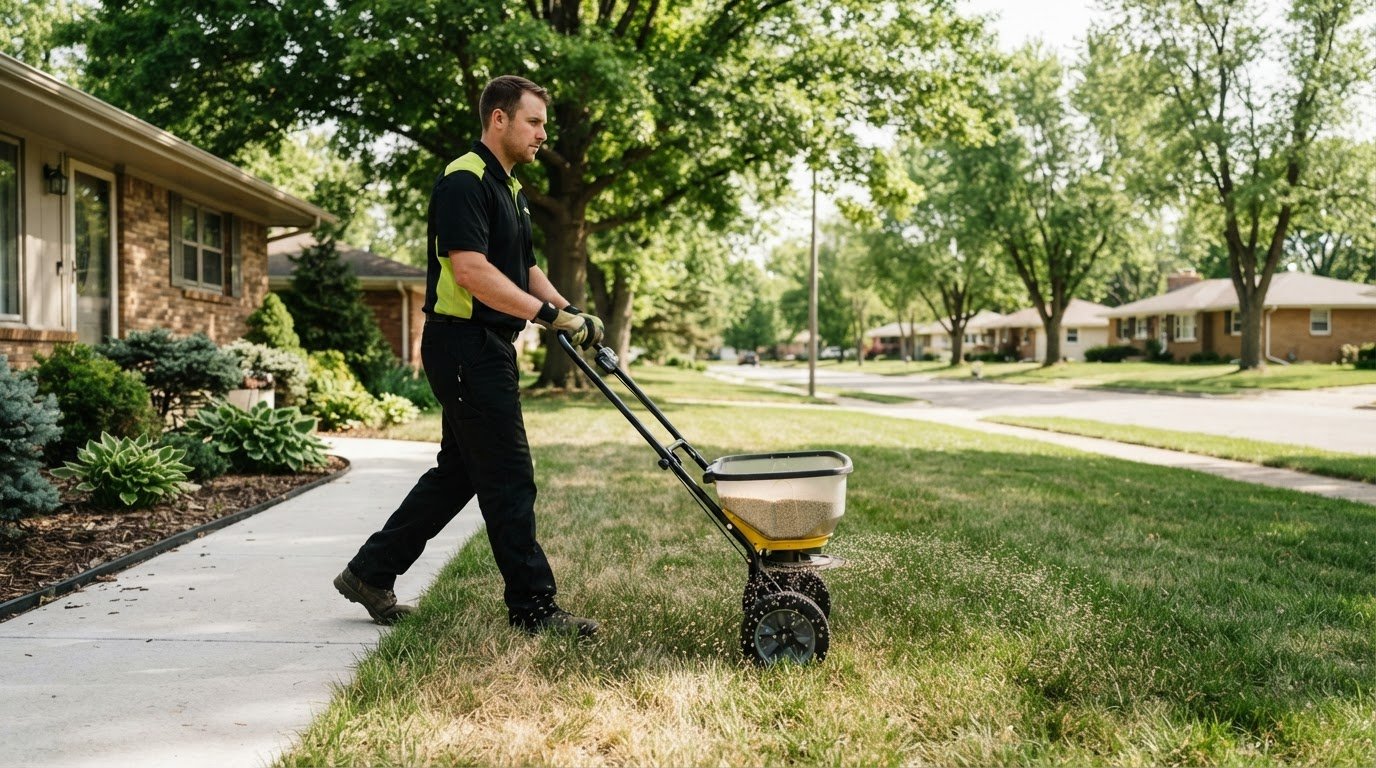
Fertilization and weed control work best as coordinated parts of seasonal lawn care. In Lincoln, routine mowing and weeding are commonly scheduled weekly or bi-weekly, while fertilization may happen less often. A professional plan can match each task to the lawn’s condition and the season’s needs.
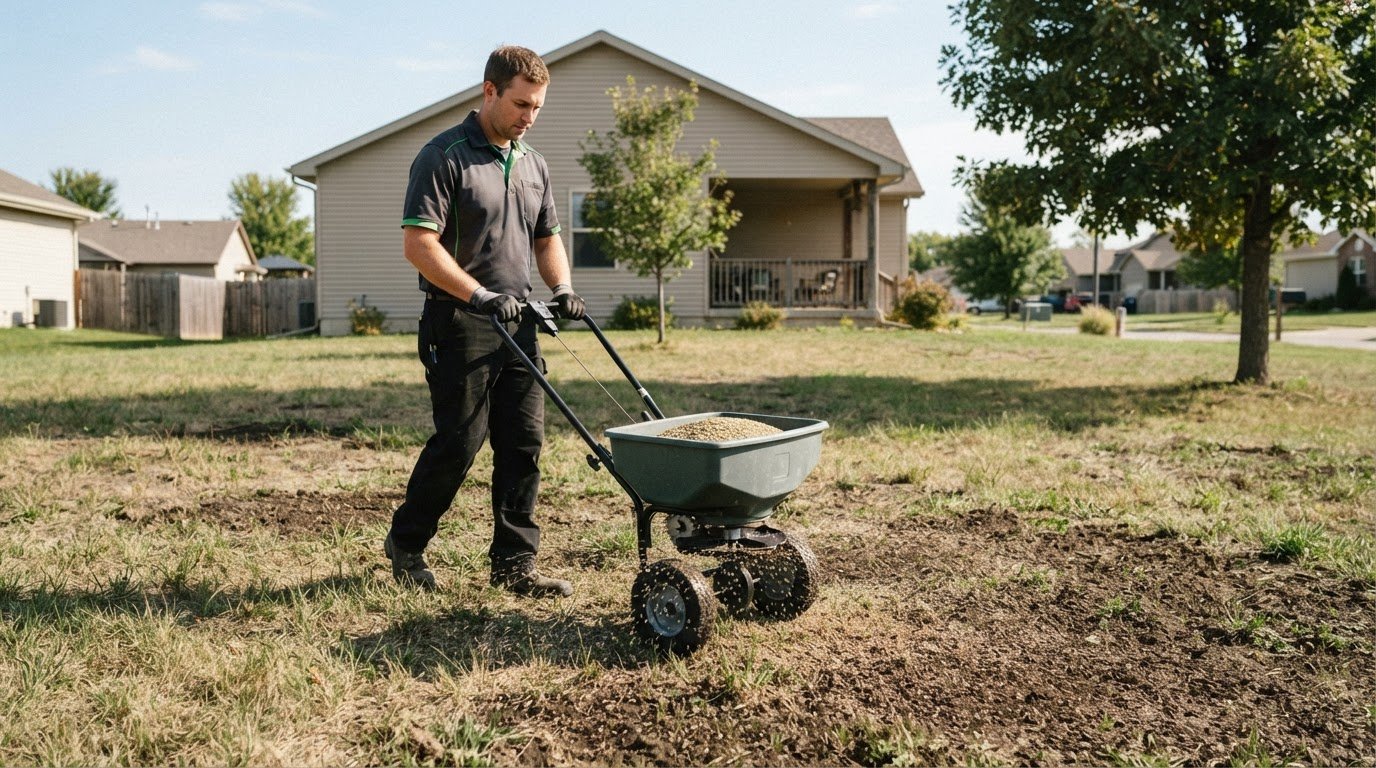
Fertilizer supports grass growth, but applying it without considering the turf can miss the mark. A professional assesses lawn density, visible stress, and areas with uneven growth before planning treatment. For example, a thin patch may need a different response from a healthy section with consistent growth. That assessment helps shape a program around the property instead of relying on one routine for every lawn.
Weed control also begins with identifying where weeds appear and how they affect the landscape. A few weeds in a planting bed call for a different approach from weeds scattered through turf. Bed edges, established plants, and lawn borders all matter when planning treatment. Landscape maintenance in Lincoln can address weed pressure in beds while keeping the surrounding property in view.
Timing is another part of the plan. Fertilization and weed control may not follow the same schedule as weekly mowing, because each task serves a different purpose. A professional can coordinate visits so routine mowing continues while less frequent treatments fit the lawn’s seasonal care needs. This avoids treating every maintenance task as if it belongs on one calendar.
- Assess the lawn: Look for thin growth, uneven color, and visible weed patches.
- Separate turf from beds: Identify whether weeds are in grass, planting beds, or both.
- Plan treatment timing: Coordinate fertilization and weed control with routine mowing.
- Review the result: Note changes in growth and where weeds remain for future care.
Landscape Bed Weed Control is useful where weeds compete with flowers or shrubs and make a bed look untidy. The plan should account for the plants in the bed and its boundary with the lawn. For instance, a bed beside a frequently mowed edge needs attention to both the planting area and the transition line. This keeps care focused on the whole visible space.
Connect fertilizing, weed control, and mowing in a clear schedule. The lawn’s condition, where weeds are growing, and seasonal growth all shape that schedule. Yardworx offers weekly mowing, a six-step fertilizing program, and Landscape Bed Weed Control, making it easier to plan distinct tasks as part of an orderly lawn-care routine.
Houzz reports 64,483 local projects by landscape contractors, offering homeowners a broad reference point when considering how coordinated lawn and landscape care can fit their property.
Lawn care and treatment
For Lincoln, Nebraska properties, professionals can consider native plants, xeriscaping, and efficient irrigation as environmentally mindful landscape choices. Lawn care practices should also fit the property’s existing turf, soil conditions, and exposure. A useful plan connects routine care with treatments that address visible needs, rather than treating every lawn and planting area alike.
Basic landscape maintenance, such as lawn care, may take a few hours in Lincoln. The work can include assessing turf condition, mowing, and noting areas that need treatment. A thin section near a walkway, for example, may need a different response from dense grass across the main lawn. Those observations help guide the next visit and keep care focused.
Lawn treatments support a broader maintenance plan when they respond to specific conditions. Consider uneven growth, stressed turf, or weed pressure before selecting a treatment. Lawn work can also be coordinated with Landscape Bed Weed Control, since weeds along a bed edge affect the appearance of both the planting area and nearby grass. Matching the task to the location keeps the plan orderly.
- Turf condition: Identify thin, uneven, or visibly stressed areas.
- Planting areas: Distinguish lawn weeds from weeds growing among shrubs or flowers.
- Water needs: Consider whether irrigation supports the lawn and nearby plants efficiently.
- Seasonal care: Fit treatments around growth patterns and other scheduled maintenance.
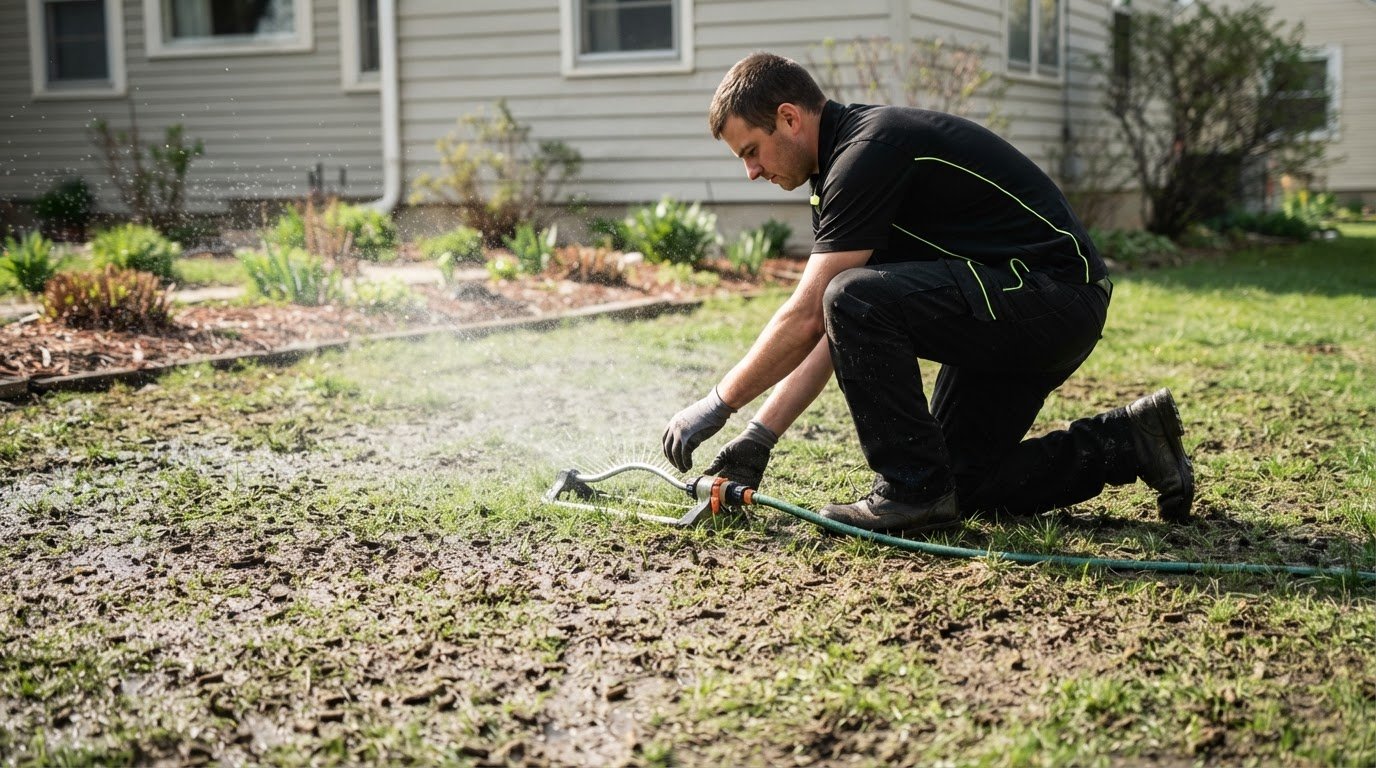
Water management also shapes lawn health. An irrigation system that distributes water unevenly can leave one area dry while another stays wet. Professionals can review system performance as part of irrigation maintenance, helping coordinate watering with the property’s lawn and planting needs. Efficient irrigation can also complement xeriscaping, which uses landscape design choices that reduce reliance on frequent watering.
Plant selection matters alongside turf care. Native plants can suit a landscape plan that considers local conditions, while xeriscaping offers another option for conserving water. The right combination depends on the site’s soil, sunlight, layout, and the owner’s preferred appearance. Professionals can account for these factors when planning how lawn areas and planting beds work together.
To make lawn care more cohesive, professionals can review turf, planting beds, and irrigation as connected parts of the property. A treatment for one area should fit the needs of nearby plants and the overall maintenance schedule. If you’d like help planning care around your property’s lawn and landscape, get in touch to discuss your maintenance needs.
Native plants and xeriscaping can support a landscape suited to local conditions and more efficient water use. For lawns, assess turf and soil conditions, mow as needed, target treatments to thin or stressed areas and weed pressure, and check irrigation for even distribution.
Landscape bed and bush clean-up
A neat planting bed needs more than a quick pass through the lawn. Seasonal cleanup can remove fallen leaves, loose branches, and dead plant material that obscure the bed’s shape. Around a shrub, accumulated debris can make the soil line and surrounding weeds harder to see. A careful assessment helps distinguish simple cleanup from work that needs a different approach.
Each bed has its own mix of plants, boundaries, and visible maintenance needs. A professional can first identify what belongs in the bed, then remove loose debris without disturbing established flowers or shrubs. For example, leaves caught beneath a shrub may need careful removal, while a clear lawn edge makes the planting area easier to maintain. This attention to detail keeps cleanup focused on the property’s existing design.
Weeds are another common concern in landscape beds. They can compete visually with flowers and groundcover, especially along borders or beneath shrubs. Yardworx’s Landscape Bed Weed Control addresses weeds in these areas. The plan should account for nearby plants, the bed’s layout, and where weeds are appearing.
- Inspect the bed: Note debris, visible weeds, and the location of established plants.
- Clear loose material: Remove fallen leaves and branches while preserving healthy plantings.
- Review shrub areas: Check for crowded debris and spots that need careful attention.
- Finish the edges: Make the boundary between lawn and bed easier to see.
Before caring for a shrub, consider its shape and surrounding space. A shrub beside a walkway, for instance, may affect access differently from one set back in a broad bed. Identifying loose debris separately from growth that needs other care helps keep maintenance focused on the plant and its setting.
Timing depends on what the property needs. Leaf buildup may make seasonal Leaf Removal useful, while weeds can become noticeable at another point in the growing cycle. A maintenance schedule can account for both without assuming every bed needs identical attention at every visit. Seasonal cleanup helps address leaves and other accumulated material around the landscape.
Once the visible debris is cleared, a professional can review the beds and shrubs again. That final look helps identify remaining weeds, missed material, or areas needing continued attention. A tidy bed beside a front walk, for example, frames the entrance more clearly, while clean space around shrubs makes the overall planting design easier to appreciate.
Landscape maintenance providers serving Lincoln, Nebraska
Houzz lists 90 landscape maintenance professionals serving Lincoln within a 50-mile radius. Choosing well means matching the work, schedule, and property needs with a clear service plan.
Choosing a Landscape Maintenance Provider
Start by defining the work your property needs, such as weekly mowing, Landscape Bed Weed Control, or irrigation maintenance. Then clarify how each task fits the schedule and what the service includes. A clear scope helps prevent confusion, especially when a property needs both recurring care and seasonal attention.
Before starting service, clarify which tasks are included, how visits are scheduled, and how to communicate changes. For example, determine whether the maintenance plan covers both the lawn and planting beds or just one area. Also understand how concerns about service are handled, so expectations are clear from the beginning.
Credentials and Local Rules
Licensing and insurance are separate considerations, and requirements can depend on the specific work. Don’t assume one credential covers every landscape task. For a Lincoln property, determine what credentials and insurance apply to the services being performed, and identify any local rules relevant to that work before approving a plan.
Also consider property access, gates, and areas requiring special care. A narrow side yard, for instance, may need a different visit plan than an open front lawn. Sharing these details helps set practical expectations and keeps visits focused.
Compare the proposed scope against your priorities, not just the number of tasks listed. A property focused on curb appeal may need consistent lawn and bed attention, while another may prioritize irrigation maintenance. The service plan should connect each task to a visible need and explain how recurring work will be organized.
- Scope: Which areas and maintenance tasks are included?
- Schedule: How often will routine visits take place?
- Credentials: What licensing or insurance applies to this work?
- Communication: How are schedule changes or property concerns handled?
- Local rules: Which requirements apply to the specific services?
Look for a plan that addresses your property rather than relying on a generic schedule. A lawn with planting beds and an irrigation system, for example, needs a coordinated scope, while a simpler property may require fewer recurring tasks. Clear details make it easier to understand what the maintenance plan covers and how it supports the property through the season.
In Lincoln, Nebraska, larger landscape projects such as garden redesigns or installations can take weeks to months. If a property needs both a major project and ongoing maintenance, discuss how the two scopes will fit together before work is scheduled. Clarify which areas are part of the project and which remain covered by routine care, so the maintenance plan reflects the property’s needs during the work.
Ask how changes to the project scope or timing would affect maintenance visits, and agree on how updates will be communicated. Once the larger work is complete, review whether the recurring plan still suits the redesigned or newly installed areas. This conversation can help keep expectations clear from planning through ongoing care, without treating project work and regular maintenance as interchangeable services.
How often should professionals maintain lawns and landscapes in Lincoln, NE?
In Lincoln, professionals commonly schedule routine mowing and weeding weekly or bi-weekly. Other work, such as fertilization, may happen less often. The right rhythm depends on the task, the landscape’s condition, and how quickly visible needs return. A coordinated schedule keeps recurring work predictable without placing every service on the same interval.
Weekly visits can suit properties where active grass growth quickly changes the lawn’s appearance. A bi-weekly schedule may fit routine tasks when the property’s growth and upkeep needs allow more time between visits. Professionals can adjust the plan as conditions change, rather than treating either interval as a fixed rule for every yard.
Not every landscape task needs the same frequency. Weeding and mowing address recurring growth, while fertilization follows a different schedule. Landscape bed weed control may also be arranged around visible weed pressure, rather than automatically matching each mowing visit. Separating these intervals gives each task a purpose and helps avoid unnecessary work.
- Weekly or bi-weekly: Routine mowing and weeding, according to the property’s needs.
- Less frequent visits: Fertilization and other treatments that follow a separate schedule.
- Seasonal attention: Cleanup or other work timed to the landscape’s changing condition.
- Plan review: Adjust visit timing when growth or maintenance needs change.
For example, a lawn that grows quickly may need regular mowing, while beds with limited weed growth may need less frequent attention. A property with visible weeds in its planting beds may benefit from targeted care between mowing visits. Plan these tasks separately, then coordinate them so each area receives attention when it needs it.
Seasonal changes also affect the workload. Leaves may collect in landscape beds, while turf and weeds can show different needs as growth shifts. Reviewing the property during scheduled visits helps identify when the next task makes sense. The schedule can then account for the lawn, beds, and other maintained areas as parts of one property.
A useful maintenance plan states which tasks recur weekly or bi-weekly and which happen less often. It should also explain how professionals adapt the schedule when conditions change. If your lawn or beds need a more organized care rhythm, contact the team to discuss a maintenance schedule.
Yardworx Lawn & Landscape: Weekly Lawn Mowing Services
Yardworx Lawn & Landscape helps Lincoln property owners keep lawn care on a consistent schedule. Weekly Lawn Mowing Services suit homeowners who want routine mowing handled professionally, while a 6-Step Fertilizing Program supports ongoing turf care. Aeration & Overseeding can address other seasonal lawn needs, and Irrigation Maintenance helps keep watering systems cared for.
Turn to Yardworx when recurring mowing or coordinated lawn care would make property upkeep easier. Services can support a steadier routine as the lawn’s needs change through the seasons.
Contact Yardworx Lawn & Landscape to discuss care for your property.
Make seasonal care easier to plan
A landscape care plan works best when it reflects how you use your property and what you want to maintain. Think about the areas that matter most, such as a clear front lawn, tidy planting beds, or reliable seasonal upkeep. Sharing those priorities helps shape a practical schedule around your home rather than a one-size-fits-all routine.
If you’re considering landscape maintenance services in Lincoln, NE, discuss your property’s needs and the care you’d like handled. Yardworx Lawn & Landscape can help you plan a suitable approach for your outdoor space. Start with the areas that need attention now, then talk through how ongoing care could fit your routine.
Contact Yardworx Lawn & Landscape to discuss your property and take a comfortable first step toward a more manageable maintenance plan.
Frequently Asked Questions
How do landscape maintenance companies address common challenges during the process?
Effective maintenance matches the work plan to the property’s conditions and priorities. Uneven turf, weeds in planting beds, and a dry area near an irrigation zone, for example, call for different responses. Clear communication about access, affected areas, and requested tasks helps keep visits focused. If conditions change, the plan can address the most noticeable needs first.
What landscape maintenance services are available in Lincoln, NE?
Yardworx Lawn & Landscape offers landscape care in Lincoln that includes weekly mowing, lawn treatments, a 6-Step Fertilizing Program, Aeration & Overseeding, and Landscape Bed Weed Control. Seasonal offerings include leaf removal and irrigation maintenance, with snow and ice removal also available. For example, a property owner can plan routine turf care alongside seasonal cleanup, choosing services around the property’s needs.
Which landscaping companies offer maintenance services in Lincoln, Nebraska?
Yardworx Lawn & Landscape provides lawn care and landscaping maintenance for residential and commercial properties in Lincoln. Services include weekly mowing, a six-step fertilizing program, aeration and overseeding, lawn treatments, and irrigation maintenance. The right fit depends on the work your property needs. If you’re focused on recurring turf care, consider weekly mowing alongside the lawn-care program.
What is typically included in a landscape maintenance plan?
A plan can combine recurring lawn care with seasonal or targeted tasks, depending on the property. It might include mowing, fertilizing, aeration and overseeding, irrigation maintenance, or Leaf Removal. Clarify which tasks are routine visits and which are seasonal, so it’s easy to understand what areas receive attention and how each service supports your priorities.
Which Lincoln landscapers offer mowing, pruning, mulching, and seasonal cleanup?
Yardworx Lawn & Landscape offers weekly mowing and Leaf Removal in Lincoln. The mowing service mulches grass clippings back into the lawn rather than bagging them. Seasonal cleanup can be considered alongside these services when planning property care. If your request also involves pruning or spreading landscape mulch, define those tasks separately when discussing the work you need.
Do landscape maintenance companies in Lincoln offer spring and fall cleanup?
Yardworx offers Leaf Removal in Lincoln to address fallen leaves as they collect around a lawn or landscape. Seasonal cleanup needs vary by property. For spring, homeowners often prioritize accumulated debris and areas needing attention before regular seasonal care resumes. A clear scope distinguishes cleanup from recurring lawn maintenance.
How do landscape maintenance companies in Lincoln compare by services, pricing, and reviews?
Compare the stated service scope, schedule, and customer feedback, then match those details to your property’s needs. For pricing, request a personalized quote; the work involved and property requirements affect the price. Yardworx offers landscape maintenance services in Lincoln, NE, including mowing, fertilization, aeration, and seasonal care. A written scope helps you compare what each plan covers without relying on a headline price alone.