Your first lawn-care visit shouldn’t leave you wondering whether you need to stay home. With locally owned lawn care in Lincoln, Nebraska, the answer depends on access to the lawn and whether the crew needs any details about the property; clear arrangements help the visit go smoothly.
It’s reasonable to want a tidy yard without rearranging your day around routine care. The first visit is an opportunity to identify what your lawn needs and how ongoing service can fit your property, with clear access arrangements and expectations.
This article covers lawn care options, from weekly mowing to seasonal services that support healthy turf through changing weather. You’ll also learn what to consider before the first visit and how a seasonal plan can make upkeep more predictable.
Local specialists and lawn-specific service plans
Locally owned lawn care in Lincoln, NE, can connect regular maintenance with the conditions on your property. A practical plan considers turf condition, shade, drainage, foot traffic, and the services you need. A shaded front yard, for example, may need different attention from a sunny backyard used often. A local team can tailor service to those property details.
Which lawn care services do Lincoln, NE companies offer? Common options include weekly mowing, edging, fertilizing, weed treatments, aeration, overseeding, and leaf removal. The right combination depends on whether the immediate need is routine appearance, seasonal cleanup, or support for healthy grass. A mowing visit, for example, maintains an even cut, while seasonal work addresses needs that change as summer ends and cooler weather arrives.
Visits go more smoothly when the requested work and property access are clear. Before service begins, identify lawn boundaries, gates, slopes, landscape beds, and areas that need careful trimming. For weekly mowing, these details help the crew follow a consistent route and work around garden edges and outdoor features. A focused treatment can target the area of concern rather than treating the whole property alike.
Do Lincoln lawn care companies offer free estimates or recurring service plans? Yardworx provides fast, no-obligation free estimates, and recurring services such as weekly mowing keep routine care on schedule. An estimate outlines the proposed work; a service plan sets expectations for ongoing visits. Residential services do not require contracts, and customers can cancel anytime.
Lincoln-area service communities can include different property types, from compact city lots to larger residential lawns. The address, lot layout, access, and distance between scheduled stops can shape how a service area is organized. Coverage should be understood by location, not simply by the name of a nearby community. For Lincoln properties, the Lincoln lawn care service area connects routine lawn needs with the services available for local yards.
Before the first visit, decide which areas need attention and note practical access details, such as a locked gate or a backyard entrance. The service plan can then distinguish routine work from seasonal tasks. A front lawn needing regular cuts and edging has a different schedule from a property seeking fall leaf cleanup. That simple distinction helps technicians deliver the requested work efficiently and keeps ongoing lawn care services aligned with the property.
Weekly mowing, trimming, and edging
A consistent mowing routine keeps residential lawns orderly through spring, summer, and the growing season. In Lincoln, mowing height matters as much as appearance: lawn-care guidance recommends keeping grass at least 3 inches high. Taller grass shades more of the soil surface, while an even cut gives the yard a cared-for look. A technician can adjust mowing to the lawn’s current growth instead of removing too much at once.
A useful mowing rule is to avoid removing more than one-third of the grass blade at a time. If grass grows quickly between visits, cutting too much can leave the lawn looking scalped. Regular mowing helps maintain a manageable height, while slower growth may call for a lighter cut. The aim is an even finish that leaves the remaining blades intact.
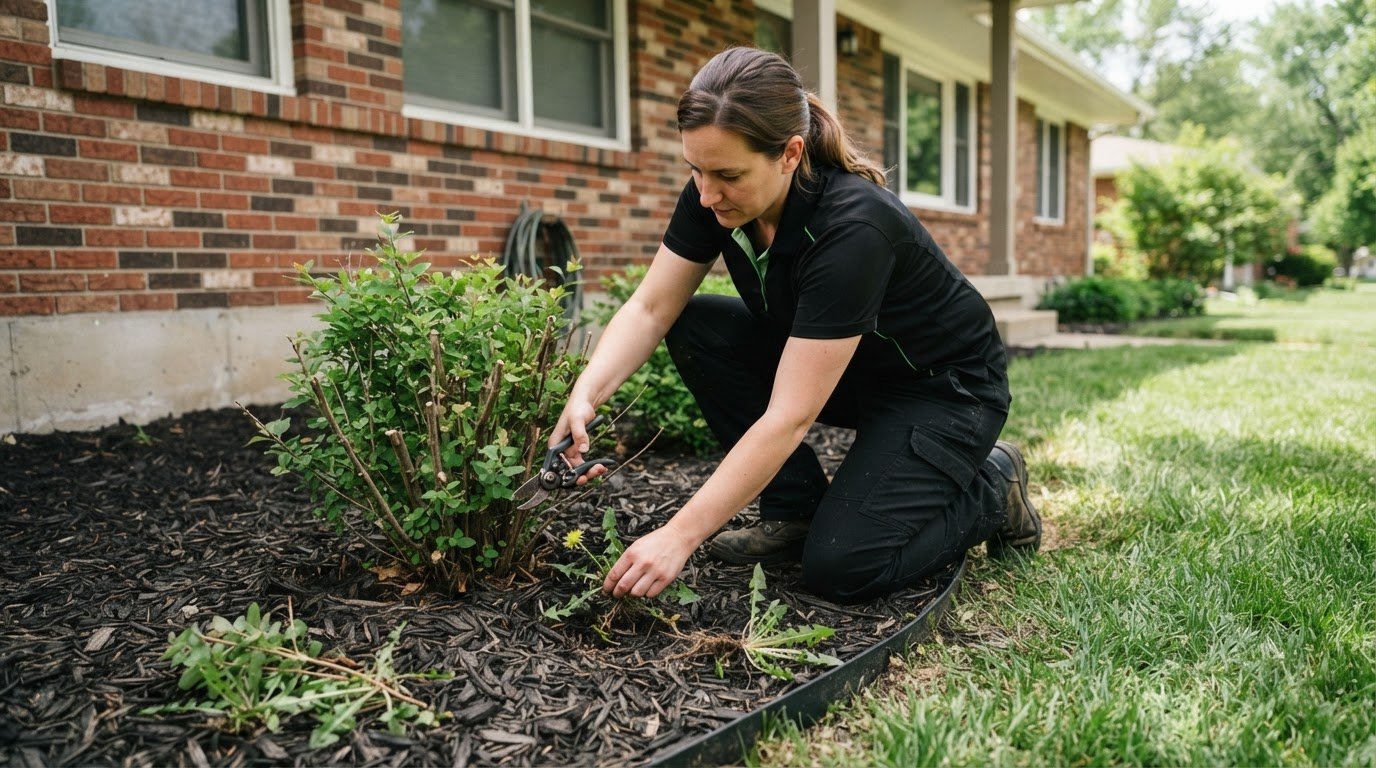
Trimming and edging complete the cut in places a mower cannot reach cleanly. String trimming follows the edges of landscape beds, trees, fences, and other obstacles. Edging defines the boundary between turf and walkways, giving a residential yard a neat outline. A final pass can clear grass clippings from hard surfaces, where they otherwise collect along driveways and sidewalks.
Grasscycling returns finely cut clippings to the lawn instead of bagging them. Those clippings break down naturally and can provide the equivalent of one regular fertilizer application, or 1 lb of nitrogen per 1000 ft2, per year. For example, short clippings scattered across the lawn can return nutrients to the soil. Clippings left on streets, sidewalks, or driveways should be returned to the lawn, keeping them out of storm drains.
For weekly residential mowing, a clear route helps the crew work consistently around your home. The front lawn, side strips, and backyard may have different access points or obstacles. Gates, garden borders, and tree trunks need careful attention during trimming. The crew also checks hard surfaces and clears loose clippings from areas where people walk or park.
Winter pauses routine grass growth, while spring brings the return of active lawn maintenance. As conditions change, mowing frequency and the amount removed can change too. A well-kept schedule focuses on the lawn’s growth rather than forcing every visit to look identical. To discuss a mowing routine for your property, get in touch about weekly lawn care.
At the end of a visit, the service can leave the lawn’s edges and surrounding hardscape in a finished condition. Professional mowing service includes removing grass clippings from hard surfaces, edging, string trimming around landscaping beds and trees, and blowing off hardscape areas. For mowing decisions, Lincoln lawn-care guidance recommends never removing more than 1/3 of the total leaf surface at a time, preserving a measured approach when growth varies from one visit to another.
A mulching mower returns finely chopped grass clippings to the lawn, helping keep routine care focused on the property instead of clipping disposal. Yardworx Lawn & Landscape includes mulching with weekly mowing, not bagging.
Seasonal lawn care program in Lincoln
A seasonal program matches lawn care to changing growth and property conditions. In Lincoln, start by identifying the main need: routine mowing, compacted soil, thin patches, or fallen leaves. Each calls for a different service and timing. Planning around those needs is more useful than treating every season the same way.
What lawn care services are best for Lincoln’s climate and soil? A practical plan can combine mowing, timely leaf removal, and targeted soil work. For compacted or clay soil, aeration is a key seasonal task, while overseeding can address thin areas. Fertilizer timing matters too: Lincoln lawn-care guidance advises avoiding applications during spring and summer because they promote excessive top growth.
In spring and summer, focus on steady mowing and observe how the lawn responds to weather and foot traffic. If an area looks thin, note its location and whether the soil feels compacted. Those details help distinguish a patch that may benefit from overseeding from one that needs soil relief. Avoid using fertilizer applications as a shortcut for every visible problem, especially during the seasons when excessive top growth is a concern.
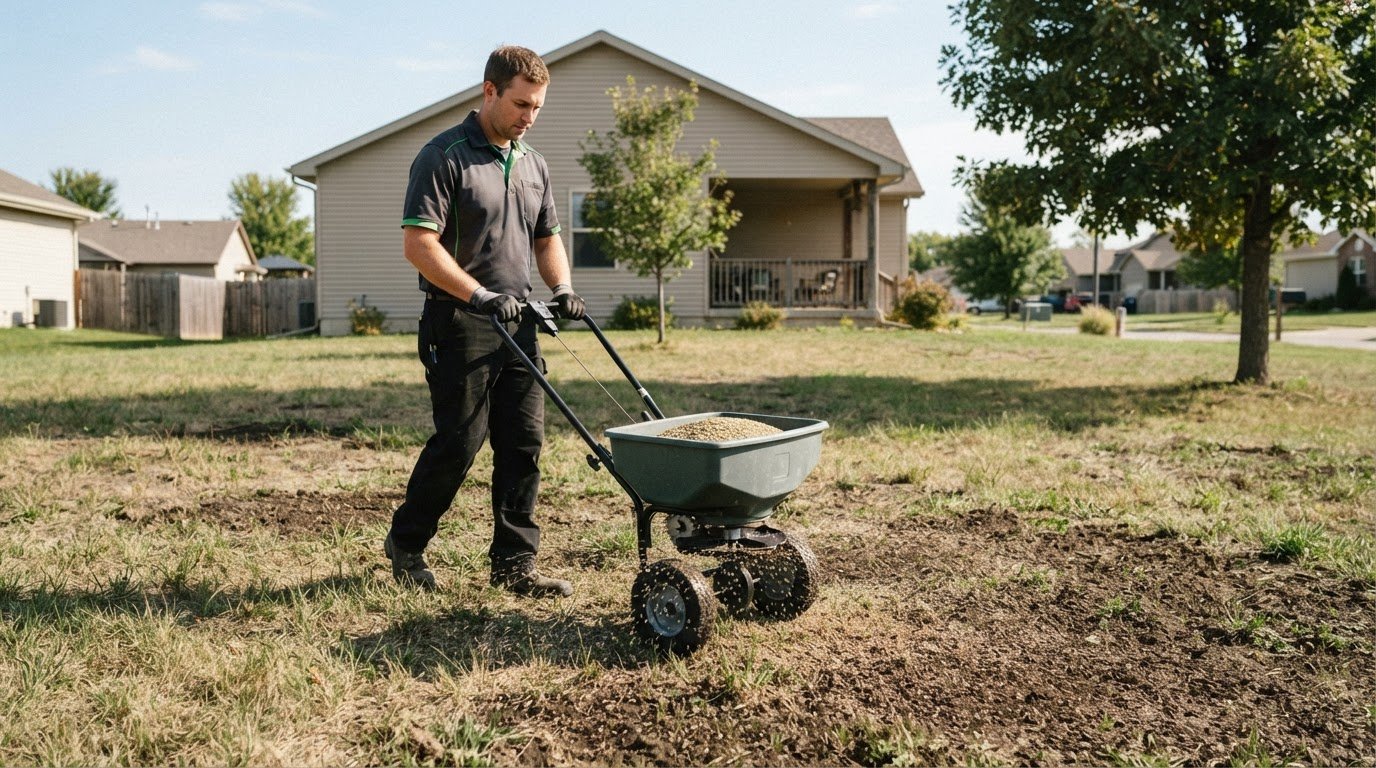
As fall arrives, consider aeration where soil is compacted or clay-heavy. Lincoln lawn-care guidance recommends aerating those soils annually, generally in fall when grass is actively growing. Aeration creates openings in dense ground, helping air, water, and nutrients reach the root zone. Pairing that work with overseeding can help fill thin spots, especially when the seed can reach exposed soil rather than resting on thick thatch.
Leaf management is another seasonal step. Remove leaves in a timely manner and dispose of them properly to help prevent waterway pollution. A light layer may seem harmless, but leaves left across turf can block sunlight and make lawn care harder. For example, clearing leaves from the lawn and gathering them for proper disposal keeps the grass visible and reduces debris left near drains.
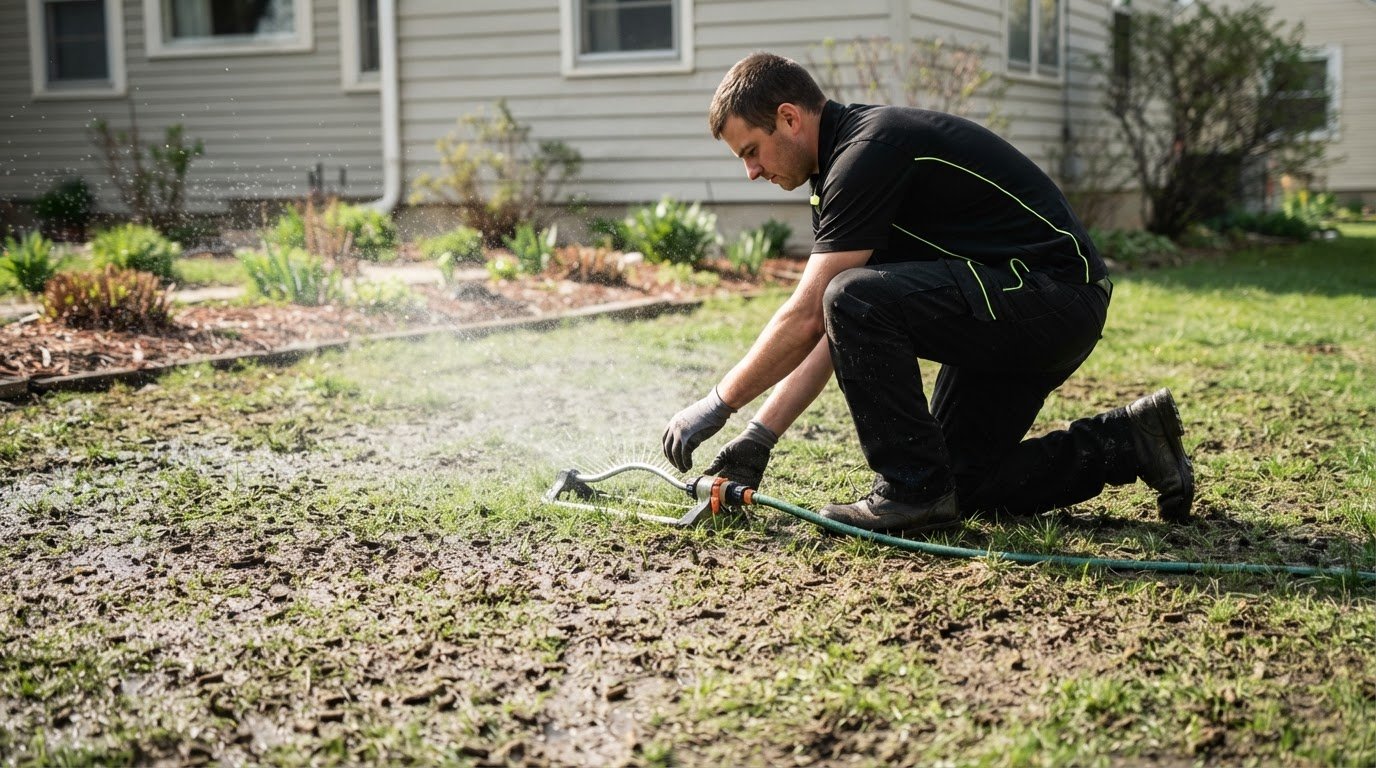
Watering should respond to current conditions rather than follow a fixed habit. Check the forecast and skip irrigation when rain is expected soon. Consider the soil as well: dry ground may need water, while already moist soil does not benefit from unnecessary irrigation. Yardworx also provides irrigation repair and maintenance to help keep systems in working order.
Keep a short record of services and how the lawn responds. Note where aeration took place, which areas received seed, and when leaves were cleared. That record can make the next seasonal visit more focused. Connecting regular mowing with fall soil care and timely cleanup helps Lincoln homeowners plan around their lawn’s actual needs.
Seasonal lawn-care tasks
For Lincoln lawns, aerate compacted or clay soil annually, generally in fall while grass is actively growing. Overseeding can be coordinated with aeration where thin areas need new grass. Lincoln lawn-care guidance advises avoiding fertilizer applications during spring and summer because they promote excessive top growth.
These services address different needs. Aeration opens compacted ground, while overseeding adds seed to thin areas. Yardworx can coordinate aeration and overseeding as a seasonal service. Fertilizing is a separate part of lawn care, not a substitute for addressing bare patches or compacted soil.
Start by identifying where growth looks weak and where soil feels compacted. A thin strip beside a walkway may need different attention from a broad area of dense clay soil. Marking those spots gives the service team a practical guide and helps distinguish areas suited to overseeding from those that may benefit from aeration.
Fall is the recommended season for aeration and overseeding, and Yardworx’s service starts in mid-August. If both are part of your plan, coordinating them helps seed reach the soil after aeration. Focus on the lawn’s thin areas rather than copying the pattern used on another property.
Fertilization deserves its own seasonal consideration. Lincoln guidance advises against applications during spring and summer because they can encourage excessive top growth. A sound program considers the lawn’s condition and the purpose of each application. For instance, adding fertilizer does not loosen compacted soil, while aeration alone does not supply the nutrients associated with fertilization.
Leaf cleanup can support fall maintenance as well. Remove leaves in a timely manner and dispose of them properly to help prevent waterway pollution. Clearing fallen leaves also makes thin patches and lawn edges easier to see before aeration or overseeding. Neighbors may follow different schedules, but each property’s soil condition and grass growth should guide its tasks.
A simple seasonal record can keep the work organized. Note where aeration occurred, which patches received seed, and when leaves were removed. At the next visit, those details help show whether the same areas still need attention. This step-by-step approach connects fall soil work with an appropriate fertilization plan, without treating every lawn or application as identical.
Locally owned lawn care in Lincoln
Local ownership matters when service decisions reflect the property and its surroundings. Lincoln lawns may have compacted soil, shaded sections, open turf, or landscape beds that need careful attention. Yardworx Lawn & Landscape serves residential and commercial properties throughout Lincoln, with lawn care tailored to the work requested. Look for clear service details that match your lawn’s needs.
What are the best-reviewed locally owned lawn care companies in Lincoln? Reviews are most useful when they describe specific work, such as consistent mowing, careful edging, or seasonal cleanup. Look for detailed comments about services relevant to your property rather than relying on a rating alone.
Which locally owned Lincoln lawn care companies are licensed and insured? Licensing and insurance are separate from local ownership and customer reviews. A company should be identified as licensed or insured only when those credentials are documented for the work it performs.
For example, a review describing a tidy finish after recurring mowing says more about that service than a general compliment. A note about care around garden beds may matter if your yard has narrow borders. Reviews can help you compare relevant experiences, but they do not predict every visit. Match feedback to the tasks you need.
Local knowledge is also useful when a lawn’s needs shift through Nebraska’s growing season. A spring lawn with thin patches may need a different plan from a shaded area struggling under fallen leaves. Organic practices may interest some homeowners, but the term alone doesn’t explain what a specific treatment contains or how it is applied. Clear descriptions make it easier to understand the service being considered.
Compare local lawn care by looking at service scope, visit frequency, and your property’s needs together. If you want recurring mowing, consider how routine visits handle lawn edges and obstacles. For seasonal work, identify the areas that need attention and how the services fit your property. These details are more useful than broad claims about being local.
Before arranging a first visit, identify the areas to be serviced and share access details that could affect the work. A locked backyard gate, narrow side yard, or garden border can change how the crew reaches the lawn. Providing these specifics gives the service conversation a clear starting point and keeps it focused on your property.
For Lincoln homeowners, the clearest choice is a local provider whose service descriptions fit the lawn and whose claims are supported by specific information. Reviews can help assess customer experiences; documented credentials address a different question. Discuss lawn care for your Lincoln property to identify the service needs and scheduling approach that fit your yard.
Yardworx Lawn & Landscape: Lawn Care
Yardworx Lawn & Landscape provides lawn care for Lincoln homes and commercial properties, from recurring mowing to seasonal turf work. Weekly lawn mowing helps keep grass maintained throughout the growing season, while the 6-Step Fertilizing Program provides scheduled lawn nutrition. For compacted soil or thin areas, aeration and overseeding can support the next stage of lawn care.
Choose services that match your yard’s current needs. Weekly mowing can help with consistent upkeep, while compacted ground or sparse patches may call for aeration and overseeding. These services can also form part of a broader plan for maintaining your lawn through the seasons.
For help deciding which lawn care service fits your property, contact Yardworx Lawn & Landscape.
Make a plan that fits your yard
A useful next step is to decide what you want your lawn to do for your household. You may want a more consistent appearance, fewer weekend chores, or a plan for a problem area. Naming that priority makes the service conversation more focused and helps identify a practical starting point.
With locally owned lawn care in Lincoln, NE, the value is a plan connected to your property and the care you want to manage. Consider how much involvement feels right, which parts of the yard matter most, and whether you prefer to begin with one need or discuss ongoing care. Those choices can make lawn maintenance feel more intentional and easier to fit into your routine.
Yardworx Lawn & Landscape can help you discuss the next step for your property. Talk with Yardworx Lawn & Landscape about your lawn, and move toward a plan that works for your home and schedule.
Frequently Asked Questions
Do I need to be home for my first visit?
You don’t necessarily need to be home if the crew can access the lawn and has the details needed to complete scheduled work. Arrange gate access and identify areas needing special attention, such as a narrow side yard or a backyard behind a locked gate. Being present can help if you’d like to walk through those details in person.
When can families and pets return to serviced areas?
After a lawn treatment, it’s sensible to wait until the product has dried before allowing children and pets back onto the lawn. Yardworx Lawn & Landscape uses natural ingredients for mosquito and tick control that are safe for children, pets, and pollinators. The appropriate timing depends on the service performed, so distinguish fertilizer applications from other lawn treatments when planning outdoor activities.
What locally owned lawn care companies serve Lincoln, Nebraska?
Yardworx Lawn & Landscape serves residential and commercial properties throughout Lincoln and neighboring towns. Its services include weekly mowing, fertilizing and weed control, aeration and overseeding, and seasonal leaf removal. For your Lincoln property, start by matching the service to its needs, whether that means routine upkeep or attention to compacted soil and thin areas. Request a fast, no-obligation free estimate to discuss a practical lawn care plan.