What if keeping several rental lawns presentable didn't require coordinating every visit property by property? With rental property lawn care in Lincoln, a professional provider can organize recurring mowing, edging, and seasonal treatments around the needs of each property. Lawn care is one part of a rental property's overall maintenance budget, and costs can vary with the property's needs.
It’s understandable to want a clear plan for costs and consistent curb appeal, especially when rental properties have different lawn conditions and maintenance needs. This article explains what can shape a lawn care budget and how recurring service can make upkeep easier to coordinate.
You’ll learn how mowing, edging, fertilizing, aeration, and overseeding can fit into a property care plan, which factors affect the work involved, and how a professional service can help keep multiple lawns orderly through the seasons.
Services for Lincoln homeowners and property managers
Rental property lawn care in Lincoln can bring mowing, edging, and lawn condition into one coordinated routine. A provider can plan recurring visits across several addresses, rather than treating each property as a separate, last-minute task. For example, a manager with a duplex and a single-family rental can share access details and preferred service days. The provider can then organize visits around each lawn’s size, layout, and current condition.
Regular mowing keeps grass from becoming visibly uneven between tenant turnovers. Edging gives sidewalks, driveways, and planting beds a more defined appearance. The service plan can account for practical differences: a compact front lawn needs a different visit plan than a larger yard with several obstacles. A consistent schedule also helps property managers anticipate service and coordinate access with tenants.
Risks of neglect: Missed mowing can leave a rental lawn uneven and make the property look less cared for. If irrigation problems go unnoticed, dry or stressed areas may become more apparent and need attention alongside routine maintenance.
A professional plan can address several needs without assuming every address requires identical work:
- Recurring mowing: Set a regular service rhythm for each lawn, with visit timing suited to its growth and layout.
- Edging and cleanup: Keep lawn borders neat around walkways, driveways, and planting beds after mowing.
- Irrigation maintenance: Include system upkeep in the property’s care plan, so watering concerns can be addressed as part of ongoing maintenance.
- Condition-based care: Note thin, weedy, or stressed sections and plan suitable lawn treatments or seasonal work.
- Turnover coordination: Schedule lawn service near a planned tenant change when an orderly exterior matters for showings or move-in.
Property managers can make coordination smoother by sharing the service address, access instructions, and any tenant-related timing needs. A short property record can note a narrow side gate, a sloped section, or a planting bed that needs careful edging. These details help the provider plan visits and keep service consistent across addresses.
Lincoln properties can also have different irrigation needs, even within the same portfolio. One lawn may need system upkeep, while another may need only mowing and edging. A clear plan separates recurring work from property-specific attention, making it easier to track what happens at each address. Lincoln lawn care can be organized around the lawns and maintenance priorities involved.
For a single rental or a group of homes, start with a property-by-property outline. Include lawn size and layout, access details, irrigation considerations, and visible areas needing attention. This gives a professional a practical basis for coordinating visits and maintaining tidy exteriors without treating every rental as identical.
Lawn care and treatment programs
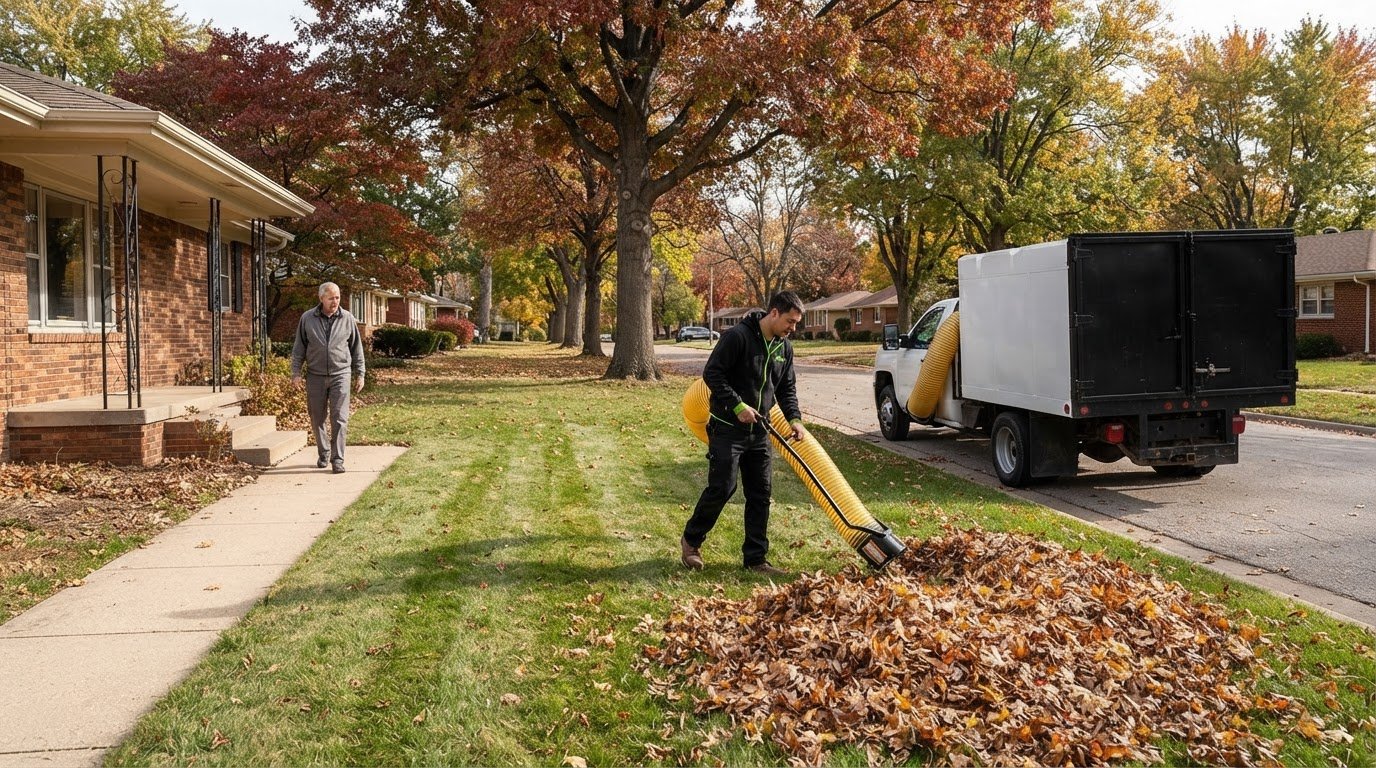
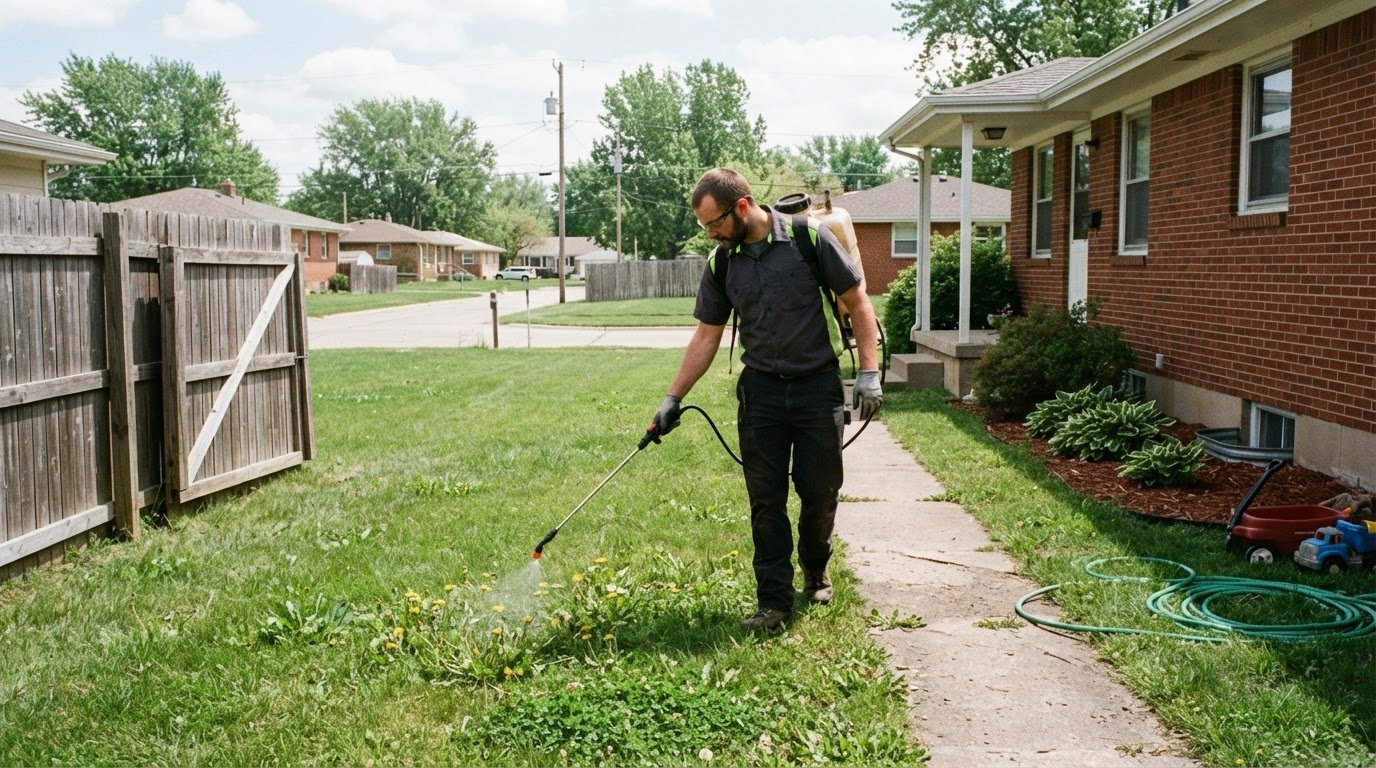
A treatment plan works best when it responds to each lawn’s condition. At a Lincoln rental, thin growth, weeds, and uneven color can point to different needs. A professional can assess those areas and coordinate treatment with regular mowing. That approach avoids treating every address as though its turf has identical challenges.
Fertilizing is one part of that plan. The right program considers the lawn’s condition and the property’s maintenance goals. Fertilizing supports turf care, while mowing maintains grass height and appearance. These services work together, but serve different purposes.
For a property manager overseeing multiple homes, treatment records help maintain continuity. A note for each address can describe visible concerns, completed work, and areas to watch. For example, a front lawn with sparse patches may need different follow-up from a thick lawn with scattered weeds. Records also help a provider plan service without confusing one lawn’s needs with another’s.
- Assess each lawn: Identify thin patches, uneven color, weeds, or other visible changes before choosing a treatment approach.
- Set property priorities: Separate immediate appearance concerns from ongoing turf-care goals, such as supporting fuller growth.
- Coordinate treatments: Schedule treatment work alongside mowing so each visit fits the overall care plan.
- Track results: Record which areas received attention and note whether the lawn’s appearance changes over time.
- Adjust by address: Keep separate records for rentals with different lawn conditions, layouts, or maintenance histories.
A fertilizing program can provide structure for recurring turf care. Each visit in a planned sequence has a place in the broader maintenance approach, rather than being an isolated application. For rental owners, that structure makes it easier to understand what kind of work is taking place and how it supports the lawn. Fertilizing services can be part of a coordinated lawn-care plan.
Clear communication supports consistent treatment across a portfolio. Share each property’s address, access details, and known lawn concerns. If a tenant reports a change, such as a newly thin area, that information can help guide the next assessment. A professional can then consider the lawn’s current condition, recent care, and maintenance priorities when planning further work.
For help organizing treatment around rental lawns, discuss a lawn care plan that fits the properties’ needs.
Lawn care pricing and budgeting
Budgeting for rental property lawn care in Lincoln starts with separating lawn work from broader property maintenance. Some experts suggest setting aside 50% of rental income for maintenance overall. That guideline covers more than mowing or treatments, so it shouldn’t be treated as a lawn-care allocation. A useful budget identifies exterior tasks separately, then considers how each property’s needs affect the plan.
Service pricing depends on the property and its requested work, and is provided after a quote request. Cost factors include lawn size, condition, visit frequency, access, and which tasks are included. For example, a property with a broad lawn and several landscaped areas may require a different plan than a compact rental with straightforward access. Multiple addresses also affect how visits are coordinated.
To keep the budget useful, group work by type and timing. Weekly mowing differs from seasonal aeration and overseeding or separate landscape bed weed control. A property manager can map planned work to each address, then track completed visits and changes in lawn condition. For rental property lawn care in Lincoln, this record helps distinguish routine upkeep from additional work prompted by a specific property need.
Compare providers by matching the written scope, visit schedule, included tasks, and billing terms across properties. A lower quoted amount may cover fewer services or a different service rhythm, so compare equivalent work rather than totals alone.
- Scope: Record whether the plan covers mowing, edging, treatment, or landscape bed weed control.
- Schedule: Note the expected visit pattern and how recurring work is handled at each address.
- Property details: Separate lawns by size, layout, access, and visible condition.
- Additional work: Identify how requests beyond routine service are described and priced.
- Records: Track invoices and completed work by property to make portfolio costs easier to review.
For a rental portfolio, a property-by-property budget helps show where service needs differ. One address may need routine mowing, while another may need separate weed control for its landscape beds. Yardworx offers Landscape Bed Weed Control as a distinct service, making it easier to track alongside lawn maintenance.
Keep tenant-related timing in the budget process, too. A planned showing or move-in may make exterior upkeep more time-sensitive at one address than another. Sharing those priorities when requesting a quote helps define the work being priced. Owners and managers can compare proposals using the same property details, service scope, and scheduling expectations.
Recurring mowing and edging
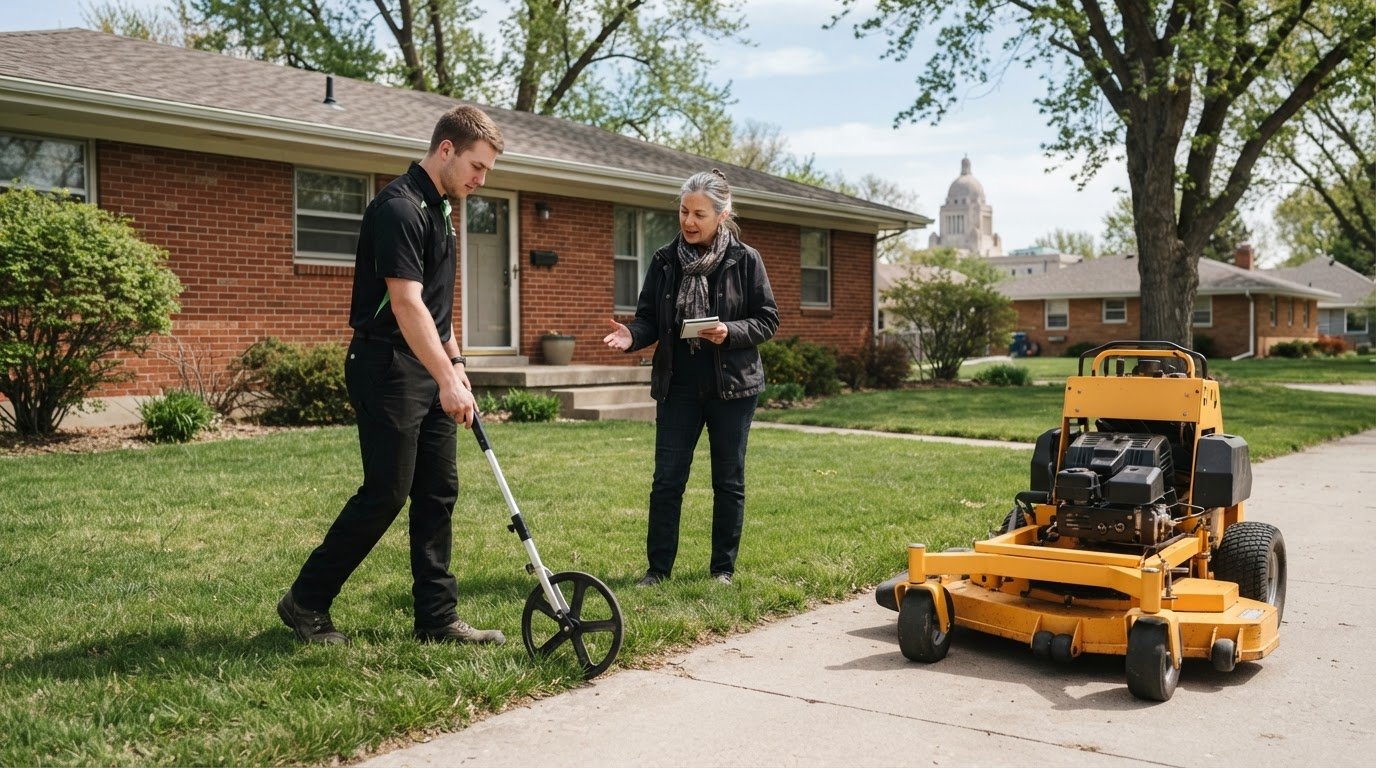
A recurring mowing plan gives each rental a predictable exterior-care rhythm. The service plan can account for lawn size, growth, obstacles, and the appearance expected between visits. For example, a compact front yard with a clear path differs from a broad backyard with several planting beds. A property-by-property schedule keeps service organized without assuming every lawn needs identical attention.
Mowing quality depends on more than cutting grass. The provider considers the lawn’s current height and condition, then aims for an even finish. If one property has a narrow side passage, access details help the crew plan the route. If another has a large open lawn, the service plan can account for its broader area.
Edging gives a lawn a crisp boundary. Focus on visible transitions, such as where turf meets a sidewalk, driveway, or planting bed. At a rental with a front walk and driveway, neat edges can make the entry look more orderly. A rear lawn with no hard borders may need less attention than a property with several paved areas.
- Review each address: Note lawn layout, access points, paved borders, and planting beds.
- Set a visit rhythm: Plan recurring service around growth, property condition, and presentation needs.
- Mow the lawn: Address the open turf and tighter areas around obstacles as part of the visit.
- Edge visible borders: Define the lawn along walks, driveways, and beds where a clean line matters.
- Record exceptions: Flag tenant access timing or a property feature that affects the visit.
Multiple rentals benefit from clear service records. A manager can keep an address list with each lawn’s access instructions and notable features. For example, one entry might mention a locked side gate, while another notes a planting bed beside the front walk. These details help the professional prepare for each visit and reduce confusion between properties.
Recurring service also makes scheduling easier around tenant transitions. If a showing is planned at one address, its exterior may need attention before other properties. Sharing that timing lets the mowing schedule account for the priority. The same approach helps managers coordinate access without sending separate instructions for every routine visit.
For Lincoln rental properties, a clear mowing and edging scope should describe the areas covered and how property-specific details are handled. That gives the manager a consistent way to review completed work across addresses. A reliable routine keeps lawns trimmed, borders defined, and the exterior ready for everyday use.
Best lawn care companies for rental properties in Lincoln NE
The best fit for a Lincoln rental portfolio is a service scope that matches each property’s needs. A single-family home with a front lawn may need a different plan from a multi-unit property with shared green space. Compare the work included, how recurring visits are organized, and how property-specific details are handled. A clear service plan makes those points easy to understand.
Start with the written scope. It should explain which areas receive service and what recurring work includes. For example, a plan covering turf alone differs from one that also includes landscape bed weed control. Those scopes aren’t equivalent. Clear descriptions help property managers understand what will be maintained at each address and avoid assuming unlisted tasks are included.
Next, consider how service is coordinated across multiple locations. Keep each address, relevant access instructions, and lawn layout differences together. A rental with a locked side gate needs a different visit note from a property with an open front yard. These practical details help organize service and reduce the chance of confusing one property’s needs with another’s.
- Compare service scope: Match the listed tasks across proposals before comparing their totals.
- Review scheduling: Understand how recurring visits are arranged across separate Lincoln addresses.
- Share property details: Provide access instructions, lawn layouts, and tenant timing needs.
- Clarify records: Look for a clear way to track completed work by address.
- Consider seasonal needs: Note whether the plan can account for changing lawn conditions and seasonal maintenance.
Communication matters during tenant changes, too. If a showing is scheduled at one rental, share the timing when arranging service. Keep property notes and service requests clear. For example, a manager can report a gate access change or a newly stressed lawn area for attention.
Lincoln owners can compare routine mowing with broader lawn care. A property with healthy, consistent turf may need a simpler recurring scope. Another with thin patches or visible weeds may need additional care. The useful comparison is not which plan sounds broadest, but whether its stated work matches the condition and priorities of each rental.
Keep a portfolio record with the address, agreed scope, access notes, and service history. That gives managers a practical reference when reviewing work or planning around a move-in. For rental property lawn care in Lincoln, a clearly defined plan helps connect consistent exterior upkeep with the needs of each property. Discuss lawn care for your rental properties.
Yardworx Lawn & Landscape: Lawn Care
Yardworx Lawn & Landscape helps Lincoln rental owners coordinate ongoing lawn care across their properties. Turn to the team when recurring mowing, turf health, or seasonal lawn work needs a reliable plan. Weekly Lawn Mowing Services keep routine upkeep on schedule, while the 6-Step Fertilizing Program supports planned turf care. Aeration & Overseeding can address lawns that need seasonal attention to support healthier growth.
For one rental or several addresses, share each property’s service needs and priorities. A clear plan helps align recurring care with each lawn’s condition and reduces coordination for you.
Contact Yardworx Lawn & Landscape to discuss lawn care for your rental properties.
Set up a smoother season for your rentals
A thoughtful plan for rental property lawn care in Lincoln can become part of your wider property routine, rather than another item handled only when a lawn looks overdue. Start the service conversation with a simple portfolio overview: property addresses, access notes, lawn priorities, and timing tied to tenant changes. That gives the provider a clearer picture of how each site fits into the overall schedule.
Then choose the outcome that matters most for your rentals. You may want a consistent appearance across every address, focused care for a lawn needing extra attention, or less coordination between visits. Clear priorities help shape a practical plan while keeping each lawn’s individual needs in view.
Yardworx Lawn & Landscape can help turn those priorities into a coordinated lawn care plan. Share the properties and the work you want handled, then take the next step at a pace that suits your portfolio. Contact Yardworx Lawn & Landscape to discuss your rental properties and move toward simpler lawn care.
Frequently Asked Questions
How can a professional lawn care provider help care for multiple rental properties?
A professional can organize service by address, match visit plans to each lawn, and keep property-specific notes together. For example, a duplex with shared turf may need different access coordination from a single-family rental with a side gate. A manager can share tenant timing changes or report a concern, such as a new bare patch. This creates a clearer service record across the portfolio and makes follow-up easier.
Ready for a healthier, greener yard in Lincoln?
Start by identifying which Lincoln property needs attention and what you want improved. A lawn with thin areas may need a different care approach from one that mainly needs regular upkeep. Yardworx Lawn & Landscape provides lawn care services for residential and commercial properties in Lincoln. Share the property’s location and priorities through the contact page to begin planning care for the yard.
Who is responsible for lawn care in multi-family homes?
Responsibility should be stated in the rental agreement or property rules, especially where tenants share outdoor space. For a multi-family home, the owner or manager may arrange common-area maintenance, while individual responsibilities should be clearly assigned. A shared courtyard, for example, needs one coordinated plan rather than separate assumptions by each resident. Written expectations help prevent missed work and confusion about who reports lawn concerns.
What lawn care services are available for rental properties in Lincoln, Nebraska?
Rental properties in Lincoln can receive recurring mowing, fertilizing, aeration and overseeding, lawn treatments, and other seasonal care. The right combination depends on the property’s lawn condition and management priorities. A rental preparing for a new tenant may need attention to visible worn areas, while a maintained lawn may primarily need ongoing care. Yardworx Lawn & Landscape provides lawn care services for Lincoln properties.
What is the average lawn mowing cost in Lincoln, Nebraska?
Mowing charges depend on the lawn’s size, layout, access, condition, visit schedule, and requested scope. A compact, open yard differs from a larger property with obstacles or difficult access. For a useful estimate, request a quote based on the specific rental and compare equivalent services across properties. A portfolio budget can separate routine mowing from additional work, making lawn expenses easier to track by address.
What lawn care services do Lincoln rental property managers use?
Managers commonly arrange recurring mowing and may add fertilizing, lawn treatments, aeration and overseeding, or seasonal cleanup based on each property’s needs. A rental with a healthy lawn may need routine visits, while a property with thin turf may call for additional attention. Yardworx Lawn & Landscape offers lawn care, weekly mowing, a 6-Step Fertilizing Program, and Aeration & Overseeding for Lincoln properties.
Who is responsible for lawn care: landlord or tenant in Nebraska?
For a Nebraska rental, look to the lease for the agreed lawn-care arrangement. It should make clear whether the landlord arranges service or the tenant has assigned upkeep duties. For example, a lease can distinguish routine lawn tasks from reporting a broken irrigation component. Clear written terms help both parties know whom to notify when the lawn needs service or access arrangements change.
What lawn care duties can a landlord include in a lease in Nebraska?
A lease can describe the intended division of routine lawn responsibilities, such as mowing, edging, leaf cleanup, and reporting visible irrigation problems. It can also identify whether the landlord schedules professional service or expects the tenant to handle specific upkeep. Use plain language and name the areas covered, such as a front lawn or shared yard. Clear terms reduce uncertainty about recurring work and maintenance requests.