
Your first lawn-care visit shouldn’t require you to rearrange your day. You usually don’t need to be home if the crew can access the lawn and areas needing attention. For lawn care for busy homeowners in Lincoln, making the yard accessible is the main practical step, along with sharing any details that could affect the visit.
It’s understandable to want to know what’s happening on your property, especially when treatments are involved. A clear plan makes the process easier: you’ll know how to prepare, what care may be applied, and what instructions to follow before family members and pets return to treated areas.
This guide covers the first visit, simple preparation, and the difference between routine lawn care and targeted treatments. It explains how fertilization and weed control support healthy turf, and why the right treatment depends on your lawn’s needs. With the basics in hand, you can plan care around your schedule and feel more at ease while the work gets done.
Do I need to do anything to prepare for my first service?
You usually don’t need to be home for a lawn service visit. The key preparation is making the work area accessible and sharing details that affect the property. Before the appointment, make sure the crew can reach the lawn and any areas included in the requested work. If a gate is locked or access is limited, explain that ahead of time.
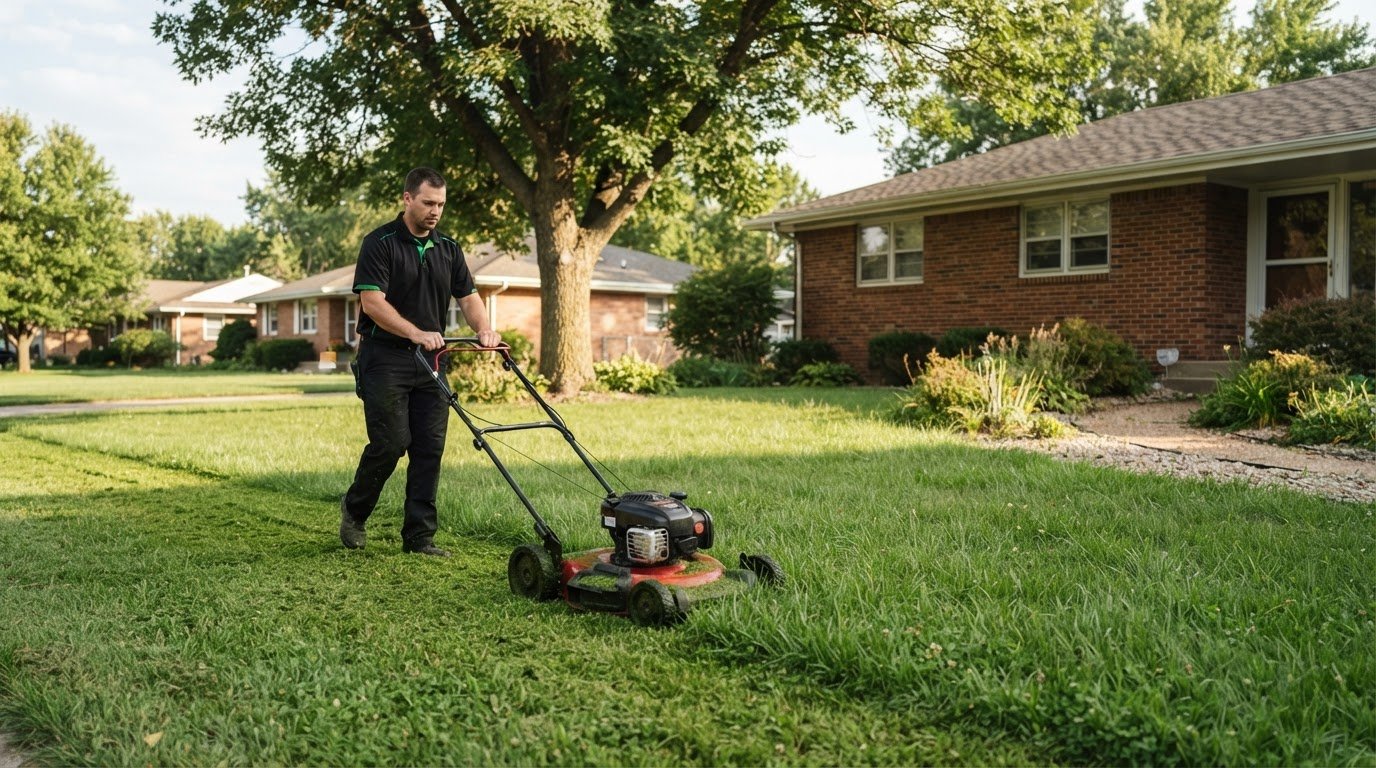
Before mowing, pick up toys, hoses, and other loose items that could obstruct the work. Clean up dog waste, too. Mowing over it can spread waste around the yard, so clearing it first helps keep the lawn cleaner. If a pet uses a particular area, mention that when arranging service.
A lawn service appointment doesn’t set watering rules. In Lincoln, Nebraska, follow any current City of Lincoln water-use directions that apply to your address.
- Clear the lawn: Remove dog waste and loose objects from the mowing area.
- Share access details: Explain how the crew can enter, including any gate instructions.
- Describe the property: Point out areas that need attention or have limited access.
- Pass along relevant details: Mention pets, irrigation equipment, or other features in the work area.
For Lincoln-area service coverage, start with the property address and the work you need. The Lincoln lawn care information relates to the area and service discussed here. A clear address helps establish whether the property falls within the intended service area. It also gives the provider a useful starting point for understanding the yard and its access.
Choosing a lawn service is easier when the scope is clear. Describe whether you need recurring mowing or a one-time visit, and identify the parts of the property involved. Ask how the schedule is handled and what preparation is expected. For example, a fenced backyard may need different access instructions than an open front lawn. Clear details help the provider plan the work around your property.
Before the first visit, agree on the work and share practical instructions. Keep the route to the lawn clear, remove dog waste, and explain any access limits. You can usually go about your day rather than stay home, provided the crew can reach the work area. These preparations help the visit go smoothly and leave fewer details to manage on service day.
Do one last check for dog waste before mowing. Mowing over it can spread it around the yard, so removing it beforehand helps avoid carrying the mess across the lawn. Check the grass before the crew begins rather than relying on mowing to leave the area clean.
Fertilization, weed control, and turf treatments
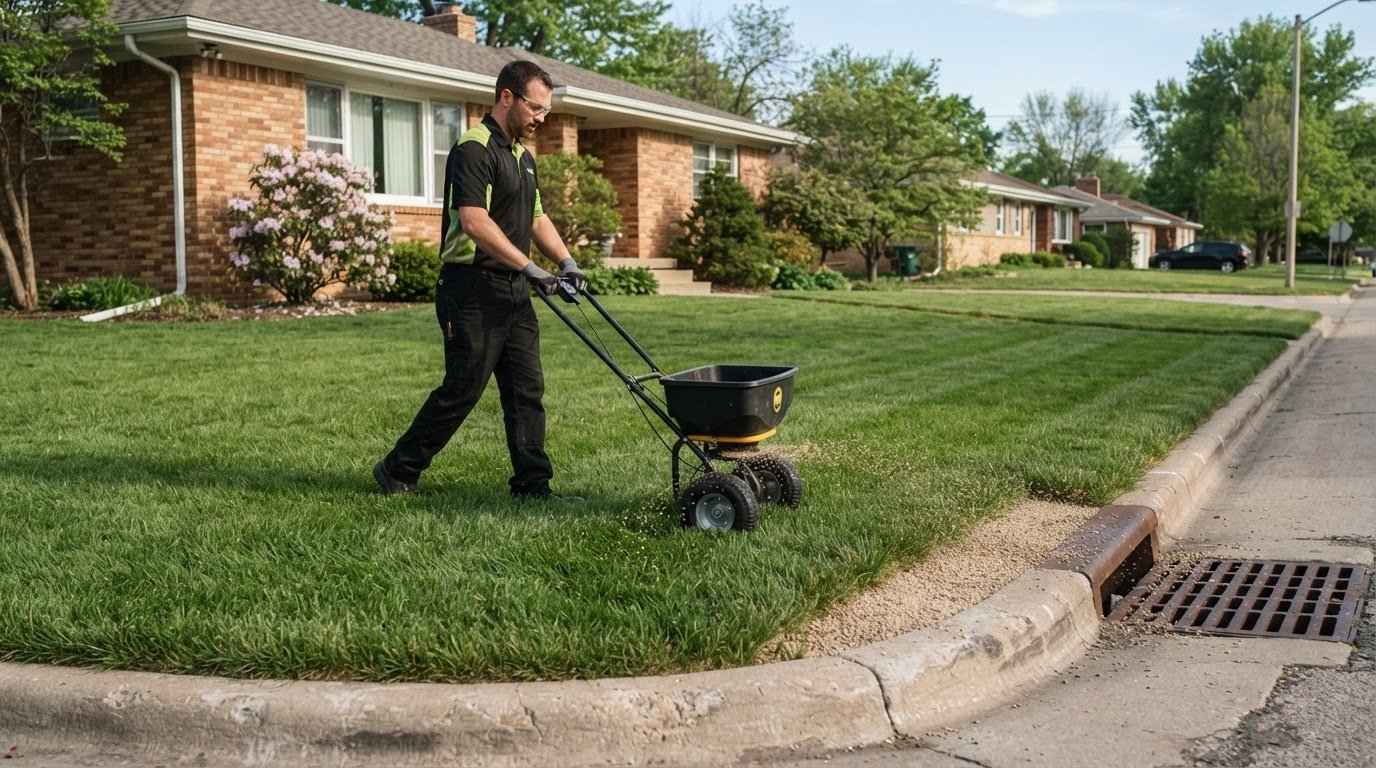
A treatment plan works best when it matches your lawn’s needs. Fertilizer supports turf growth, while weed control targets unwanted plants. A professional can consider visible weeds, lawn condition, and the season when planning treatment. Scattered broadleaf weeds, for example, call for a different approach than crabgrass prevention. The goal is targeted care, not applying every treatment to every yard.
Timing matters for preemergence herbicide, which helps prevent certain weeds from sprouting. Nebraska Extension in Lancaster County says to apply the first preemergence herbicide when soil reaches 55° F at a 4-inch depth for several days. This soil-temperature measure helps guide timing more reliably than choosing a date alone. A treatment plan also needs to account for the lawn’s current condition and the weeds it is meant to address.
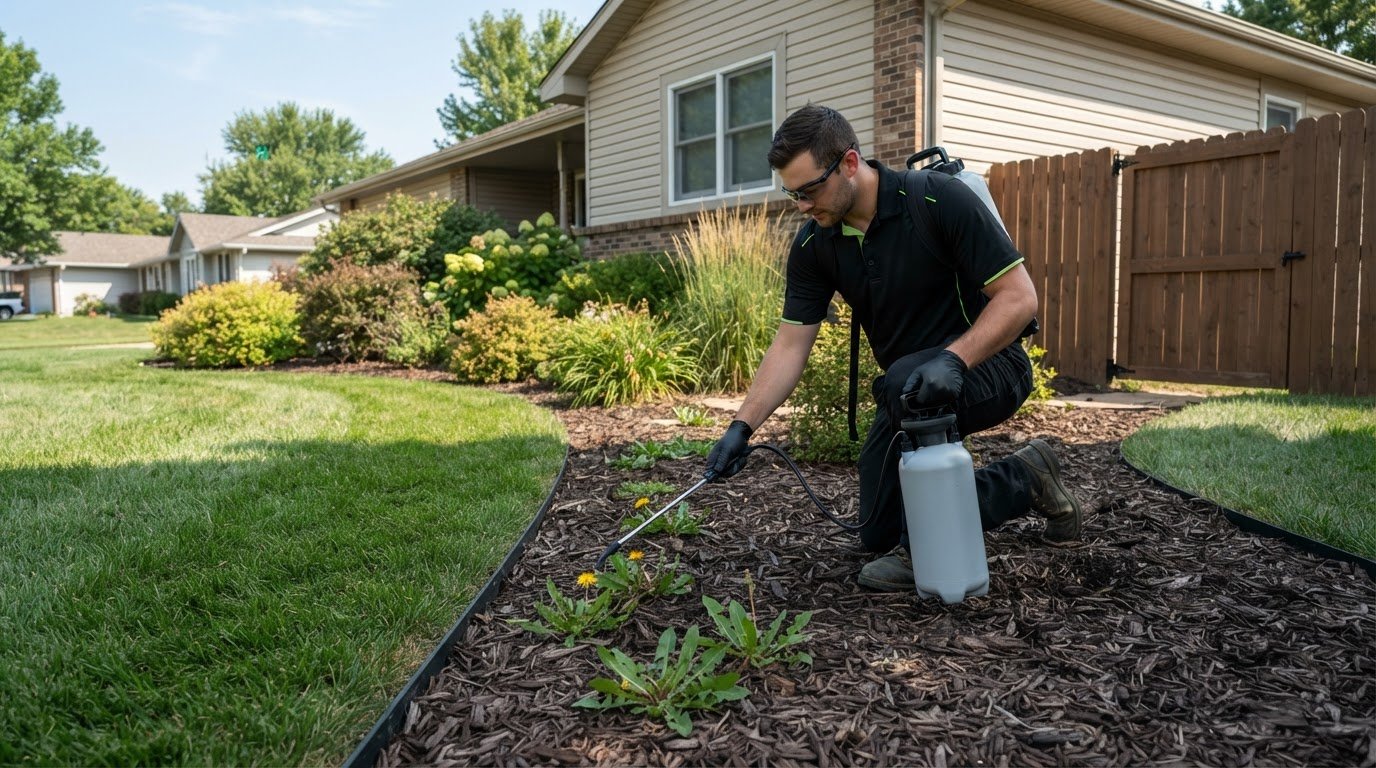
Fertilization is one part of ongoing turf care. A lawn’s needs can change with growth, weather, and its existing condition, so a planned program can space applications across the season. Weed control may also include landscape beds, where weeds compete with flowers and shrubs. Keeping lawn and bed treatments distinct focuses care on the areas that need it.
- Fertilization: Supports lawn growth through a planned application schedule.
- Preemergence weed control: Targets weeds before they sprout, with soil temperature guiding application timing.
- Postemergence treatment: Addresses weeds that are already visible in turf or landscape beds.
- Targeted turf care: Matches the treatment to the lawn’s condition and the problem area.
Before treatment, identify the concern clearly. Examples include crabgrass prevention, visible weeds in turf, or weed growth among landscape plants. That information helps a professional distinguish prevention from treatment of established weeds. A lawn treatment plan can address turf concerns as part of routine lawn care, while bed weed control focuses on planted areas.
After an application, follow the specific instructions provided for that treatment, including any guidance about watering or access. Different products and treatment targets may require different care. For a busy household, knowing the application plan and instructions makes it easier to coordinate lawn care with family routines and pet access. If you’re ready to discuss treatment needs for your yard, contact the lawn care team to talk through the areas you’d like addressed.
Local timing guidance can complement the soil-temperature approach described above. Yardworx Lawn & Landscape recommends applying pre-emergent herbicide in Lincoln before soil temperatures reach 50°F to prevent crabgrass and dove weed from sprouting. This recommendation gives homeowners a specific threshold to discuss when planning prevention, while the treatment still needs to match the concern in the yard. Naming the weeds of concern can help clarify whether the goal is to keep them from sprouting or to address weeds already visible.
When discussing treatment needs, distinguish between crabgrass or dove weed prevention, visible weeds in turf, and weeds in landscape beds. That helps identify the treatment target and the area needing attention. A professional can explain the application plan and instructions to follow afterward, including guidance about watering or access, so you can coordinate household routines with the treatment.
Lincoln-area lawn care provider listings
For recurring lawn care in Lincoln, look for providers that clearly describe their weekly mowing service. Scheduling depends on the stated service cadence and terms. A listing that only says “lawn care” doesn’t explain whether visits recur or how schedule changes work. Review the service description for those details.
Start with the work you want handled. Regular mowing calls for a different schedule from seasonal cleanup. Write down the property address, the lawn areas involved, and your preferred service frequency. A front lawn and fenced backyard may both need attention, for example, but access instructions could differ. Clear details make the service scope easier to assess.
Compare service descriptions rather than headlines alone. Mowing, fertilization, and weed treatment address different needs, so don’t assume every lawn-care listing includes the same tasks. Look for specific details, such as recurring mowing. In Lincoln, your property’s location and the work you need help determine which services are relevant.
- Service type: Match the listing to mowing, treatments, or seasonal maintenance.
- Frequency: Look for a stated recurring schedule, such as weekly mowing.
- Property details: Note access needs, yard layout, and areas included.
- Scheduling terms: Read how the provider describes regular visits and schedule changes.
Recurring scheduling is easiest to understand when the service description gives a clear cadence. “Weekly mowing” describes a recurring service; “lawn care” alone doesn’t establish frequency. If flexibility matters, review the terms for rescheduling and service timing. Don’t assume a recurring plan automatically allows short-notice changes.
For a busy household, match the schedule to the property’s routine. If you have a locked gate, plan for access during each visit. If you have outdoor activities, coordinate around the areas being serviced. These practical details matter as much as the service name because they affect how smoothly recurring work fits into everyday life.
Use a short comparison note for each service: the work requested, stated frequency, access needs, and scheduling terms. Record the same details each time to make differences easier to spot without relying on broad claims or promotional language. In Lincoln, the right service is one whose scope and schedule align with your yard’s needs.
What is the seasonal lawn care calendar for Lincoln, Nebraska?
Lincoln lawns benefit from care that follows changing conditions, not just calendar dates. Spring is the time to assess turf, identify weeds, and plan treatments. Soil temperature provides a useful timing cue for preemergence herbicide. Nebraska Extension in Lancaster County advises applying the first preemergence herbicide when soil reaches 55° F at a 4-inch depth for several days.
Spring weed prevention and control are different jobs. Preemergence herbicide targets weeds before they sprout. Once weeds are established, the approach changes. Missing the early-spring prevention window can mean managing established weeds through July. A lawn professional can use your lawn’s condition and weed types to guide the plan.
As Lincoln moves into summer, pay attention to how your lawn responds. Heat, foot traffic, and changing moisture can affect turf. A professional can assess thin patches, visible weeds, or uneven growth during scheduled visits. A thinning area may need evaluation before choosing the next treatment. Observations help distinguish weeds from broader turf concerns.
Fall offers an opportunity to address lawn density and recovery. Aeration and overseeding may help where compacted soil or bare patches need attention. The right work depends on the turf’s condition and the extent of thin areas. A professional can assess whether your lawn needs these services instead of treating them as automatic tasks for every property.
Winter is a useful time to review the growing season. Note which areas struggled, where weeds appeared, and whether traffic repeatedly damaged the same spots. These observations help shape the next year’s plan. A lawn with recurring bare patches, for instance, may need a different focus from one with mainly seasonal weeds.
- Spring: Assess turf and time preemergence treatment using soil temperature.
- Summer: Watch for established weeds, thin areas, and uneven growth.
- Fall: Consider aeration or overseeding where lawn condition supports it.
- Winter: Review problem areas and plan care for the next growing season.
These are seasonal checkpoints, not fixed appointment dates. Lincoln’s soil conditions and your turf determine when a task makes sense. For instance, spring herbicide timing depends on soil reaching the stated temperature for several days. A calendar helps organize decisions, while the lawn’s actual condition guides the work.
For a busy homeowner, recurring professional care can help keep seasonal needs from being overlooked. A provider can track changing conditions across visits and shift attention from spring weed prevention to later-season turf concerns. Keeping a record of problem areas, such as persistent weeds beside a walkway, also makes each seasonal review more useful.
What do lawn care packages in Lincoln typically include?
A lawn care package can combine recurring upkeep with treatments for specific needs. The name alone doesn’t tell you which tasks are included. One plan may cover mowing, while another focuses on fertilization and weed management. In Lincoln, compare the written scope, visit frequency, and seasonal services to see what fits your yard.
Separate routine maintenance from treatments. Weekly mowing keeps grass at a regular height, while fertilization supports turf growth. Weed control targets unwanted plants in lawns or landscape beds. Aeration and overseeding address different concerns, such as compacted soil or thin turf. These services can complement one another, but they aren’t interchangeable.
A useful package description names the work and the areas covered. For example, it should distinguish lawn treatment from weed control in landscape beds. It should also explain whether mowing is recurring or arranged as a separate service. If your yard has a front lawn, backyard, and planted beds, define which areas need attention. That makes the scope easier to understand.
- Mowing: Recurring visits to maintain the lawn’s appearance and height.
- Fertilization: Planned applications that support turf growth through the season.
- Weed control: Treatments directed at weeds in turf or landscape beds.
- Aeration and overseeding: Seasonal work for lawns needing improved density or soil relief.
Think about the problem you want the package to solve. A property with visible weeds may need targeted weed control, while thin turf calls for a different assessment. If your main need is regular upkeep, recurring mowing may be the priority. Combine services when each task supports a clear lawn-care goal, rather than adding work your property doesn’t need.
Review the service scope before scheduling. Note the included tasks, visit pattern, treatment areas, and seasonal work. A plan listing “lawn care,” for example, should explain whether it includes mowing, fertilization, or weed treatments. These details help you compare the work, not just package names. You can also review fertilization service details as one specific part of lawn care.
Households with pets or active outdoor spaces should also understand treatment instructions and access guidance. Those details can affect how the schedule fits family routines. A package should make responsibilities clear, including what work happens during each visit and what instructions apply afterward. If you’re ready to discuss a package around your lawn’s needs, request lawn care information.
Yardworx Lawn & Landscape: Lawn Care
Yardworx Lawn & Landscape helps Lincoln homeowners keep lawn care on a dependable schedule. Turn to the team when mowing, seasonal feeding, or thin turf needs professional attention. Weekly Lawn Mowing Services can maintain a consistent appearance, while the 6-Step Fertilizing Program supports ongoing turf care. For lawns needing attention to density, Aeration & Overseeding offers another service option.
Share what your yard needs, such as recurring mowing or care for sparse areas, to start a practical conversation about the right work. Contact Yardworx Lawn & Landscape to discuss lawn care for your property.
Make lawn care fit your next season
A well-kept lawn is easier to manage when care has a clear place in your routine. Consider what would help your yard most next: regular mowing, seasonal feeding, or attention to thin turf. Yardworx Lawn & Landscape offers Weekly Lawn Mowing Services, a 6-Step Fertilizing Program, and Aeration & Overseeding.
A thoughtful lawn care plan for busy homeowners in Lincoln should fit your property and household routine. As you plan for next season, decide which outdoor tasks you’d most like to hand off. That gives you a clear starting point for lawn care for busy homeowners in Lincoln, without taking on more than your yard needs.
Talk with Yardworx Lawn & Landscape about your lawn, and take a comfortable next step toward a healthier-looking outdoor space.
Frequently Asked Questions
Do I need to be home for my first visit?
No, you generally don’t need to be home if the crew can access the work areas. Share gate instructions before leaving and identify any sections that need special attention. For example, point out where children play or an area that should remain untouched. Clear access helps the crew complete the planned work while you go about your day.
When can families and pets return to serviced areas?
After fertilizer is applied, keep children and pets off the lawn until the treatment instructions indicate it is safe to return. Follow the application instructions for the specific treatment, since guidance can depend on the work performed. If your family uses a fenced yard or a particular play space, plan another place to spend time until the treated lawn is ready for use.
What lawn care services do busy homeowners in Lincoln need throughout the year?
Needs vary by property, but lawn care for busy homeowners in Lincoln often starts with recurring mowing and seasonal turf care. You might also consider fertilization, aeration, or overseeding based on your lawn’s condition. Leaf removal and irrigation maintenance address other seasonal needs. Mosquito and tick control may also be useful during warmer weather.
When should homeowners in Lincoln schedule professional fertilization, aeration, and overseeding?
Fertilizer timing depends on the program and the lawn’s needs. Yardworx’s CoreWorx program applies fertilizer roughly every 45 to 60 days. Aeration and overseeding are recommended in fall, typically starting mid-August as nighttime temperatures begin to drop. For lawn care for busy homeowners in Lincoln, connecting seasonal work to a recurring plan can make scheduling simpler.
What lawn pests, weeds, and diseases are common in Lincoln?
Some weeds can be managed with preemergence control in Lincoln. Homeowners may also want to address outdoor pests such as mosquitoes and ticks. Discoloration or thinning can have several causes, so appearance alone doesn’t identify a disease. Note where symptoms appear and whether they spread; those details help distinguish a weed problem from another turf concern.
How can homeowners check lawn care company licenses, insurance, and reviews in Lincoln?
Consider reviews, licensing, and insurance as separate information. Reviews can offer examples of communication, scheduling, and property care, but they don’t establish licensing or insurance status. Look for clear records of credentials and coverage, then read detailed feedback relevant to your needs. For instance, comments about recurring visits may help if you want regular mowing rather than occasional seasonal work.