Organic lawn care works best as a whole-yard approach, not a fertilizer swap. For homeowners considering organic lawn care options in Lincoln, slow-release organic fertilizers can work with soil microbes to supply ongoing nitrogen, phosphorus, and potassium, while mowing, watering, and seed choices help support a denser, healthier lawn.
It makes sense to care about what goes onto your grass and how your lawn responds. Organic treatments can support soil health, but they do not make weeds disappear on their own. A good plan also considers lawn density, seasonal timing, and conditions beneath the turf. This article explains why organic care may suit your yard, which lawn care services are available in Lincoln through Yardworx Lawn & Landscape, and how treatment choices relate to weeds and environmental concerns. You’ll also find practical steps such as aeration and overseeding, plus guidance on when professional lawn care can help you maintain a consistent routine.
Why Use Organic Lawn Care Services?
Organic care focuses on soil health as well as visible grass growth. In Lincoln, a useful plan connects fertilizer choices with mowing, watering, and seasonal lawn work.
Locally Tailored and Customized Plans
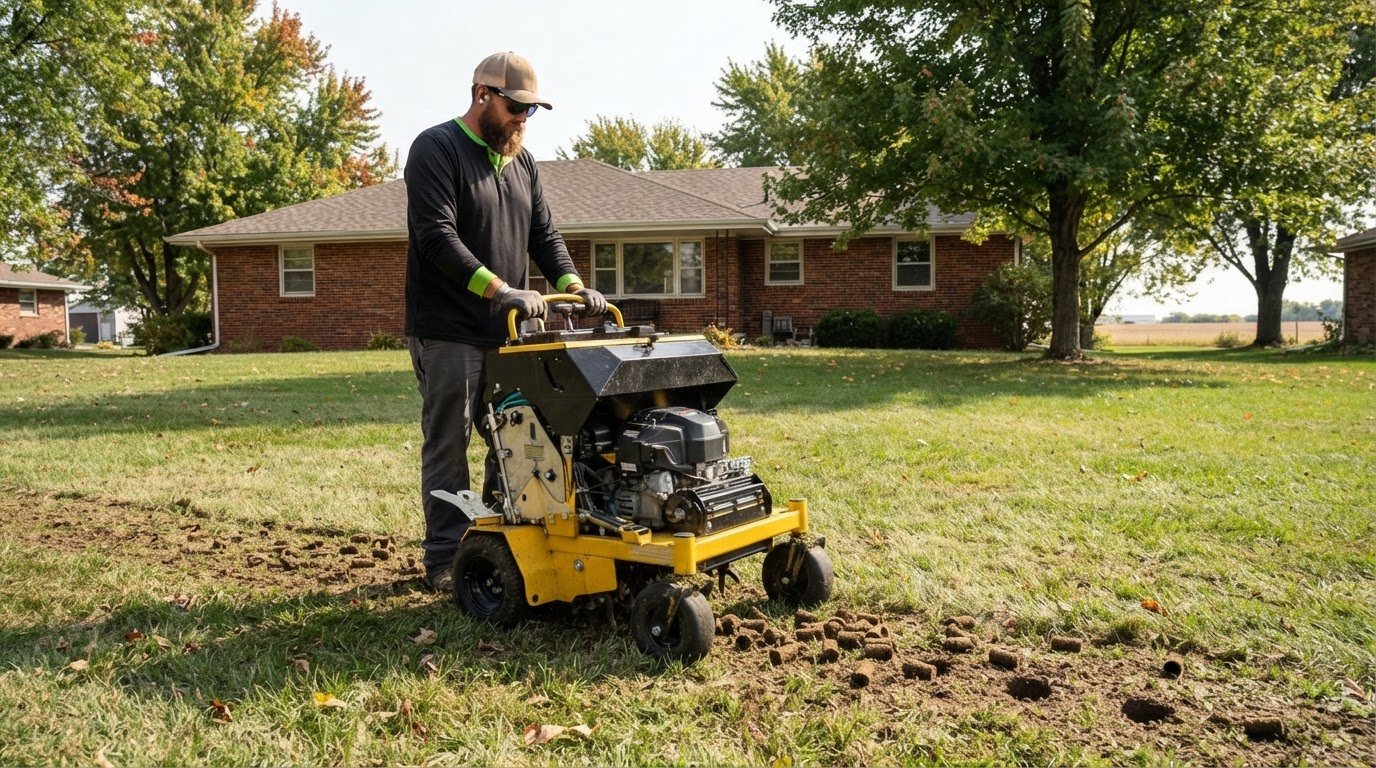
Lincoln lawns can differ in sun exposure, soil compaction, drainage, and existing grass. A customized plan accounts for those conditions instead of applying the same treatment everywhere. For example, compacted ground may benefit from core aeration, which opens pathways for water, oxygen, and nutrients. A thinner area may need overseeding to build density. Local lawn care services can coordinate these steps with the needs of each yard.
Look for a plan that connects each treatment to a clear purpose. Slow-release organic fertilizer works with soil microbes to provide ongoing nitrogen, phosphorus, and potassium. Mowing height, suitable seed, and proper watering also affect lawn health. A dense, well-maintained lawn can leave less open space for weeds to establish, though organic inputs alone don’t remove existing weeds.
Comparing Costs and Results
Organic and conventional programs differ in products and treatment approaches, so their results depend on the lawn’s condition and the plan’s consistency. Organic fertilizer supports gradual nutrient availability through soil microbes; conventional products may use different nutrient sources. For either approach, mowing, watering, and addressing compacted soil influence how the grass responds. For a service plan, price depends on the lawn and is provided after a quote request; lawn size, labor, products, and treatment frequency shape it.
For a fair comparison, look beyond the first visible color change. Notice whether the lawn grows evenly, fills thin patches, and maintains healthy coverage through the growing season. An organic approach may suit homeowners who prioritize soil-focused inputs, while a conventional plan may better match other preferences. Neither label alone guarantees weed control or a particular appearance.
DIY Organic Lawn-Care Plans
A do-it-yourself plan can follow a practical sequence: identify thin or compacted areas, choose suitable seed, then match watering and mowing to grass growth. Slow-release organic fertilizer is another option, but follow its label for the intended lawn use. Keep notes on application timing and visible changes. Those details help you adjust the next treatment instead of repeating a step that did not work.
DIY care also means coordinating separate tasks. Aeration and overseeding need to fit the lawn’s growth cycle, while mowing height affects stress on the grass. If weeds keep returning, consider whether bare soil, weak growth, or poor drainage is contributing. Addressing those conditions can support healthier turf alongside targeted weed management.
For cool-season lawns in Lincoln, fertilizing and overseeding should follow active growth and the lawn’s condition. Aerate and overseed in late summer to early fall; spring aeration is generally discouraged because it can bring weed seeds to the surface. Cool-season grasses grow best at 60-75 degrees Fahrenheit.
Lincoln homeowners should use fertilizers and pesticides according to product labels and follow applicable local restrictions. An organic label alone does not establish that every product or use is permitted.
Organic lawn-care services in Lincoln, Nebraska
In Lincoln, Nebraska, organic lawn care can combine nutrient applications with mowing, aeration, overseeding, and weed management. The right mix depends on the property’s grass, soil, and maintenance needs.
Custom Full-Service Organic Programs
A full-service program coordinates recurring care rather than treating each lawn issue in isolation. It may combine fertilizer applications, mowing, aeration, overseeding, and weed control, with timing shaped by lawn conditions. A thin patch, for example, may need seed and follow-up care, while compacted ground may benefit from aeration. Consider how each step supports the lawn’s overall condition.
Location within Lincoln also matters to the practical plan. A provider needs to serve the property’s address and account for the actual yard, rather than assume every lawn has the same soil or exposure. Useful details include shaded areas, places where water collects, and bare patches. These conditions can help shape a program around the property. Local lawn care services can address recurring maintenance needs.
Available Services and Costs
Organic lawn-care services can include soil-focused fertilization, mowing, aeration, overseeding, and weed management. Some services focus on one treatment; others coordinate several tasks through a seasonal program. Review what each application or visit covers, which products are used, and how the schedule responds to lawn conditions.
Pricing depends on the property and is provided after a quote request; lawn size, labor, products, and treatment frequency shape the cost. Organic and conventional programs may use different products and methods, so compare the tasks included and the lawn goals addressed. The label alone doesn’t explain the full scope of care.
Companies serving Lincoln can differ in their services, products, and treatment approaches. Compare their stated service areas and program details to understand what each provides. A mowing-only plan, for example, differs from a program that also includes fertilization or overseeding.
Choosing an Organic Provider
To find care services near a Lincoln property, start with the property’s exact location and the work needed. Look for clear descriptions of the program, including its approach to fertilizer, weeds, and seasonal maintenance. Service-area information should match the address, since a city name alone may refer to another place.
“Organic” can describe different approaches, so review product labels and written treatment details. Consider which products are applied, whether the plan uses synthetic inputs, and how it addresses weeds. A certification claim should identify the certifying organization and what the certification covers. Words like “natural” alone do not explain a program’s ingredients or methods.
To discuss lawn-care needs for a Lincoln property, start a conversation about a suitable plan.
Organic weed suppression and pre-emergent treatment
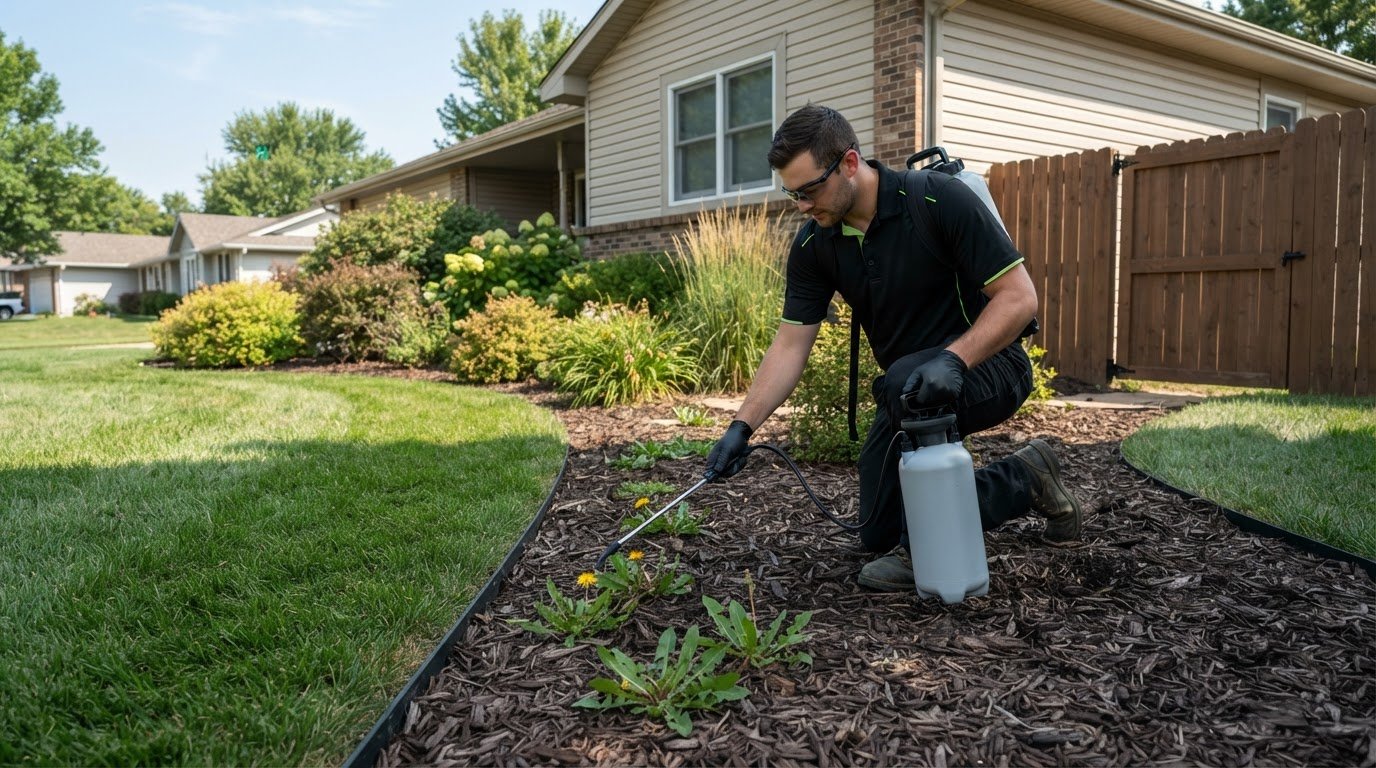
Organic weed suppression combines prevention with timely action. A pre-emergent treatment targets weed seeds as they begin to grow; it does not remove established dandelions or broadleaf weeds. Matching the method to the weed’s growth stage helps set realistic expectations. Homeowners considering organic lawn care options in Lincoln can start by identifying the weeds and where they appear.
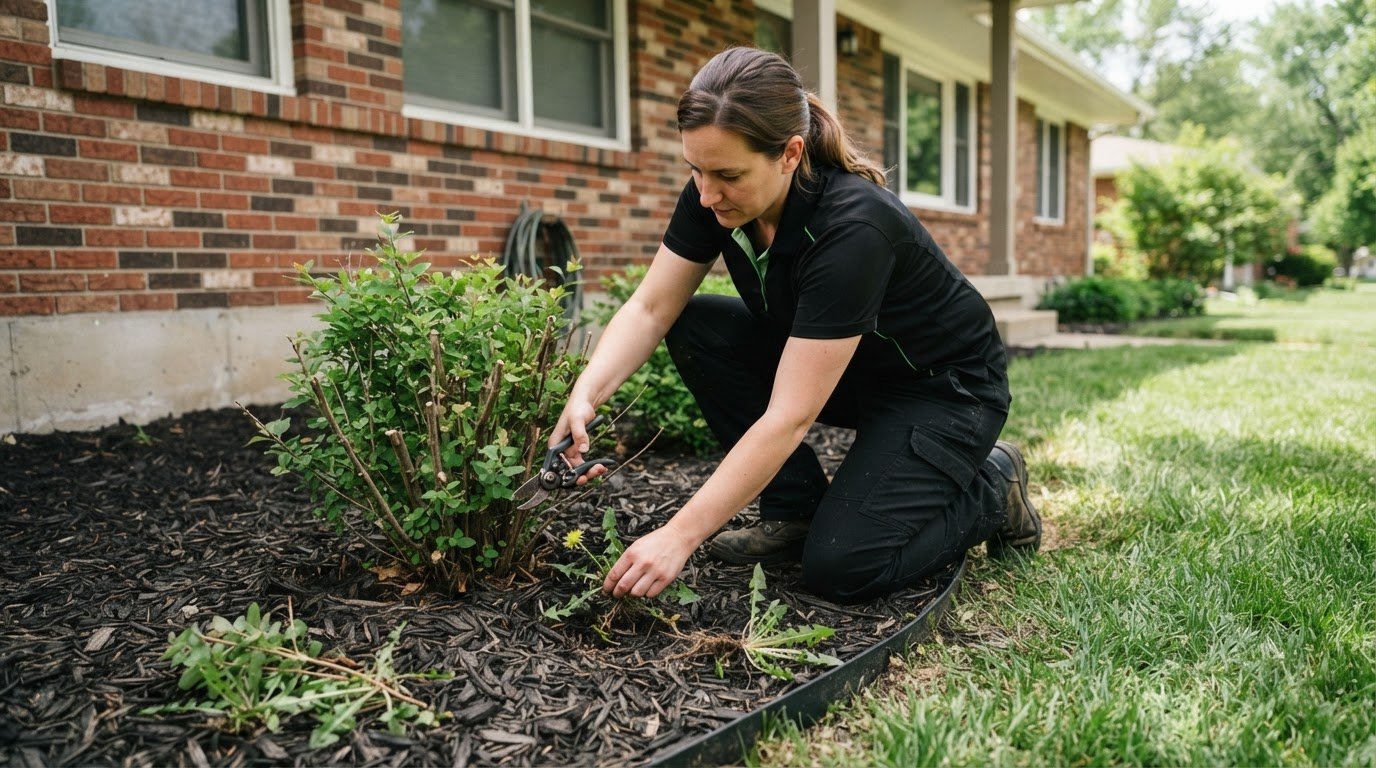
Look at the turf around each patch. Dandelions scattered through dense grass call for a different response than seedlings covering bare soil. Hand removal can address isolated, established weeds, while suitable grass seed can fill thin spots. Mowing and watering also influence turf density, so weed treatment works best alongside care that supports grass growth.
Prevention depends on timing and coverage. A pre-emergent product needs to reach the intended area before target seeds establish. Its label explains which weeds it targets, how to apply it, and where it can be used. A lawn product, for example, may not suit a planting bed or a newly seeded area.
Organic approaches can include cultural steps, physical removal, and products derived from natural materials. Each has limits. Pulling weeds takes repeated effort when patches are widespread, and prevention will not remove weeds already growing. Results may also be less consistent if the weed is misidentified, treatment timing is poor, or the underlying lawn problem remains.
Make each action fit a specific issue:
- Identify whether weeds are newly emerging or established.
- Remove isolated weeds physically where roots can be reached.
- Seed thin turf to reduce open ground available to weeds.
- Choose pre-emergent products by their labeled target and directions.
- Revisit treated areas to see whether weeds return or turf fills in.
Environmental care also depends on selecting and applying treatments carefully. Avoid treating areas without a clear target, and follow product directions for placement and use. Lawn applications differ from landscape bed weed control, where desirable plants and exposed soil affect treatment choices. Targeted applications help avoid using products where they are not needed.
Weed suppression is an ongoing process, not a one-time reset. Dense grass, prompt removal of isolated weeds, and timely prevention can work together. If the same patch keeps returning, consider conditions such as bare soil or weak turf. For organic lawn care options in Lincoln, pairing targeted treatment with attention to underlying conditions gives each step a clearer purpose.
Environmental benefits
Organic lawn care can support soil-focused maintenance in Lincoln, Nebraska. Its environmental value depends on the products used and how each treatment is applied. An organic label alone does not explain every ingredient or guarantee that a product suits every lawn. A careful plan connects each application to a specific need, such as supplying nutrients or addressing a weed problem.
Slow-release organic fertilizers work with soil microbes to supply ongoing nitrogen, phosphorus, and potassium. That gradual approach differs from applying nutrients without considering the soil or turf’s condition. For example, a lawn with thin growth may need a broader plan than fertilizer alone. Matching the treatment to the issue helps avoid unnecessary applications and keeps the care routine focused.
Soil structure matters, too. Compacted ground can limit the movement of water, oxygen, and nutrients through the soil. Core aeration creates openings that help those resources penetrate the ground. Aeration and overseeding can support grass growth and add turf to sparse areas. A denser lawn may leave less bare soil where weeds can establish, although it will not prevent every weed.
Water use is another practical part of environmental care. Watering deeply enough to support grass, rather than frequently wetting the surface, helps focus on the lawn’s actual needs. The right schedule depends on rainfall, drainage, and exposure. A shaded section, for example, may dry differently from a sunny, sloped area. Observing those differences can help prevent waste.
Organic care does not mean a lawn receives no chemicals. Fertilizers and weed treatments contain active ingredients, and natural-origin products still need careful selection and use. Read each product label for its intended use and directions. Avoid applying treatments where there is no clear target, and keep fertilizer away from pavement where it could be washed away.
For a more considered routine, connect each task to a visible lawn condition:
- Use soil-focused fertilizer to address the lawn’s nutrient needs.
- Consider aeration where compacted ground restricts water movement.
- Overseed thin areas to encourage more even turf coverage.
- Target weeds rather than treating unaffected parts of the yard.
- Adjust watering based on shade, slope, drainage, and rainfall.
These steps make environmental care practical without promising a weed-free lawn or zero impact. In Lincoln, a healthy lawn depends on coordinated choices: appropriate products, targeted treatments, sound watering, and regular maintenance. Reviewing each step together helps homeowners understand what goes into the yard and why, keeping the focus on useful care rather than applying products by habit.
Organic lawn treatment option
Organic treatments focus on feeding turf and managing weeds with selected products and maintenance steps. The right choice depends on the lawn’s condition and the problem being addressed.
Organic Lawn Fertilizers
For Nebraska lawns, slow-release organic fertilizer is one option for supplying nutrients over time. Soil microbes help make nitrogen, phosphorus, and potassium available as the lawn needs them. Choose a product based on its label, intended use, and nutrient content. A thin lawn, for example, may need more than fertilizer alone if compacted soil or sparse growth also limits turf health.
Apply fertilizer according to the product directions and coordinate it with the lawn’s care schedule. A practical plan considers the turf’s growth, watering, and mowing rather than treating fertilizer as a stand-alone fix. Review the fertilizing program details to understand how planned nutrient care can fit into regular lawn maintenance.
Organic Weed-Control Products
Organic weed-control products vary by target and use. A product intended for emerging weeds may not affect established plants, while a targeted treatment may suit isolated weeds better. Read the label for the weeds and areas it covers. A lawn product, for example, may not be appropriate for a landscape bed with desirable plants nearby.
Weed control also depends on what is happening in the turf. Bare patches can give new weeds room to grow, so overseeding and steady maintenance may support prevention. For a few established weeds, physical removal can address individual plants. For widespread growth, identify the weed first, then match the treatment to its stage and location.
There isn’t one organic fertilizer or weed product that works best for every Nebraska lawn. For nutrients, consider a slow-release organic fertilizer that supplies nitrogen, phosphorus, and potassium; for weeds, choose a product labeled for the specific target and application area.
Use this simple sequence to make treatment choices more purposeful:
- Identify whether the concern is nutrient support, weeds, or both.
- Check the lawn’s thin or compacted areas before selecting products.
- Match fertilizer nutrient content to the intended lawn use.
- Choose weed treatments by target plant and application location.
- Follow product directions and observe how the lawn responds.
Organic products still require careful handling and correct application. A naturally derived ingredient is not automatically suitable for every lawn, plant, or treatment goal. Avoid applying fertilizer or weed control where there is no identified need. If weeds return in the same patch, address the underlying condition, such as bare ground, rather than repeating an unrelated treatment.
For help matching lawn treatments to your property’s needs, discuss a lawn treatment plan.
Yardworx Lawn & Landscape: Lawn Care
Yardworx Lawn & Landscape helps Lincoln property owners maintain healthy, orderly lawns through ongoing lawn care. Turn to its services when you want recurring mowing, planned fertilization, or seasonal attention for thin turf.
Weekly Lawn Mowing Services help keep grass maintained through the growing season. The 6-Step Fertilizing Program provides a scheduled approach to lawn nutrition. For compacted areas or sparse growth, Aeration & Overseeding can address soil and turf needs together. These services support a consistent care routine, while treatment choices should reflect your preferences and the lawn’s condition.
Share what you want to improve, such as uneven growth, thin patches, or a simpler maintenance routine. Contact Yardworx Lawn & Landscape to discuss lawn care for your property.
Choose a Lawn-Care Routine That Fits Your Yard
The best next step is to turn your lawn goals into a manageable routine. Decide what matters most this season, such as steady upkeep, stronger turf, or attention to thin areas. Then choose care that supports that priority without adding unnecessary treatments. For homeowners weighing organic lawn care options in Lincoln, a useful plan can evolve as the lawn responds and conditions change.
Yardworx Lawn & Landscape offers Weekly Lawn Mowing Services, a 6-Step Fertilizing Program, and Aeration & Overseeding. These services can support different parts of ongoing lawn maintenance, from regular mowing to seasonal turf care. Share the areas you want to improve and the routine you prefer, then take the next step at your own pace.
Talk with Yardworx Lawn & Landscape about your lawn-care goals, and move toward a yard that feels easier to care for and enjoy.
Frequently Asked Questions
What are the best organic lawn care practices for Lincoln's climate and soil?
In Lincoln, tailor organic care to the conditions across your yard rather than assuming one treatment suits every area. Note where grass stays thin, water collects, or shade changes growth. A persistently wet patch, for example, may need attention to drainage before additional fertilizer. Use those observations to guide product choices and maintenance priorities, then assess the same areas after care. This makes adjustments more deliberate without applying products where they are not needed.
What organic lawn fertilizers and weed control products work best for Nebraska lawns?
Slow-release organic fertilizers work with soil microbes to provide ongoing nitrogen, phosphorus, and potassium. For weeds, choose a pre-emergent product by its labeled targets and directions; it prevents emerging weeds but does not remove established ones.
Are there local rules or restrictions on lawn fertilizers and pesticide use in Lincoln, Nebraska?
Use fertilizers and pesticides according to their product labels and follow applicable local restrictions. An organic label alone does not establish that a product or use is permitted.