
What if ticks may be hiding in more than the busiest parts of your yard? In Lincoln, ticks can be found in grassy areas, wooded edges, and dense undergrowth, so knowing where to focus matters. If you’re considering a tick control service Lincoln NE, it’s natural to want clear answers about what a provider does and what to expect around your home.
You can make a more informed choice by understanding the conditions ticks favor and how yard care may help address them. This guide covers common tick habitats, questions to ask about treatment methods, preparation and safety precautions, and practical steps that may make outdoor spaces easier to enjoy.
Yardworx is a locally owned and operated Lincoln provider offering mosquito and tick control. As you compare options, consider your property’s layout and where your family and pets spend time. The questions in this guide can help you discuss your needs with a provider and create a clearer plan for your yard.
Why Lincoln Homeowners Consider a Tick Control Service
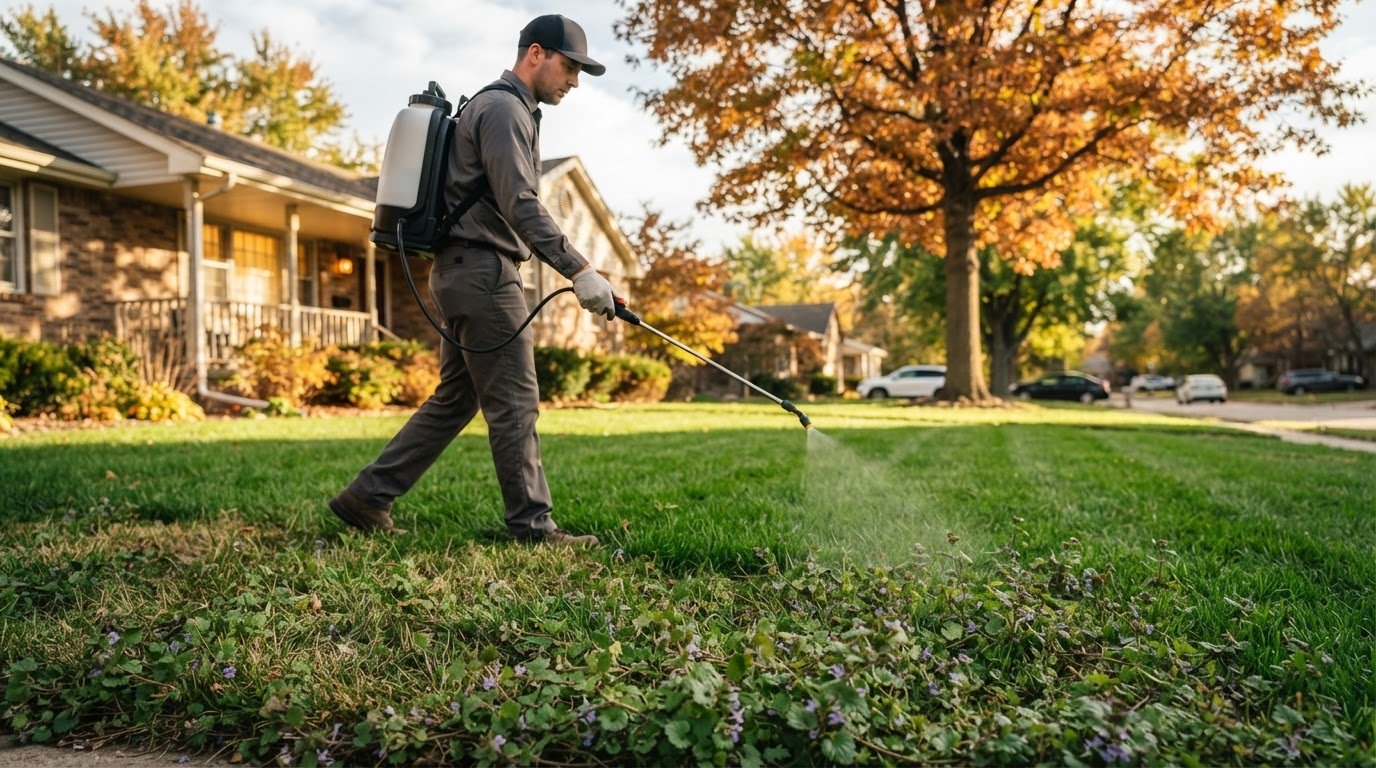
A yard tick control service focuses on outdoor areas where ticks may be encountered, with the aim of reducing tick activity in treated parts of a property. In short, yard treatment addresses potential tick habitat outdoors, while personal prevention helps protect people and pets wherever they go. A tick control service Lincoln NE homeowners consider should take the property into account rather than assume every yard has the same conditions or needs.
It’s understandable to think differently about a lawn when children play outside, pets explore the edges, or family members spend time near vegetation. Still, a concern or a nearby wooded area alone doesn’t establish the level of risk at a particular home. Vegetation, shaded edges, leaf litter, and wildlife activity are useful details to discuss when considering where ticks might be encountered.
For a practical look at ways to make a yard less inviting to ticks, watch this Consumer Reports video:
Where ticks may be encountered around a yard
Look for transitions around the yard, such as the lawn-to-woodland edge, leaf litter beneath shrubs, and dense vegetation along a fence or property boundary. These are general habitat examples, not a map of tick presence in Lincoln. Nebraska’s common tick species have different habitat preferences, and patterns can vary by location. For foundational background on tick biology and life stages, see this comprehensive overview of ticks.
When professional yard tick control may be worth considering
A conversation with a provider may make sense if your household uses the yard often, you’ve observed ticks, pets regularly explore the perimeter, or the property borders dense vegetation. These details help frame your questions, but they don’t guarantee a specific risk assessment or outcome. Share where and when you’ve noticed activity, then ask what the provider can explain about methods, preparation, and precautions.
Yardworx offers mosquito and tick control in Lincoln. To learn more, visit the pest control in Lincoln page and discuss what may suit your property and outdoor-use concerns.
How Tick Control Service Assesses and Treats a Lincoln Yard
A useful service conversation starts with your property, not a one-size-fits-all assumption about treatment. A provider may ask where you’ve noticed ticks, how you use the yard, and what features border the lawn. You can then discuss which areas may be addressed, the method being considered, and any preparation or follow-up questions.
A professional assessment should connect your yard’s layout and outdoor-use needs to a clear explanation of the areas considered for treatment, the proposed method, and the precautions to follow. This helps you understand the plan before deciding whether it fits your needs. Across the pest management industry, established teams like ABC Pest Control Sydney take a similar approach by conducting thorough, site-specific evaluations before recommending treatments.
What a provider should assess before treatment
Point out shaded borders, brush, leaf accumulation, and places where people or pets regularly spend time. Mention gardens, play areas, and water features, too, and ask whether they affect the proposed service. These details help frame a discussion about your property. They don’t establish that ticks are present or indicate a guaranteed level of risk. Discuss a tick control service Lincoln NE residents are considering in relation to the actual conditions around their yard.
What to ask about treatment methods and timing
Before scheduling, ask the provider to explain the practical details. Yardworx offers mosquito and tick control, but confirm its specific assessment steps, treatment methods, timing, and preparation instructions directly rather than making assumptions.
- Which parts of the property would be treated, and why those areas?
- What treatment method and product would be used?
- What conditions, such as weather or yard access, could affect timing?
- What preparation is recommended for outdoor areas, pets, gardens, or play spaces?
- What does the product label say about precautions and any waiting or re-entry guidance?
- Who should I contact with follow-up questions after service?
Clear answers matter because products and instructions can differ. Ask for product information and follow the applicable label directions. Don’t rely on general assumptions about how long to wait before using a treated area. For health information about tick-borne diseases and prevention, consult the CDC tick-borne disease information.
If mosquitoes are also a concern in the same outdoor spaces, you can read this mosquito control guide for related yard-care context. To discuss tick-control needs specific to your property, visit Yardworx’s Lincoln pest control services page and confirm service details directly.
Professional Tick Control vs. DIY: How to Choose the Right Approach
Homeowners can make a yard less inviting to ticks through regular habitat management. Professional treatment may offer additional support for concerns tied to particular areas of a property. These approaches can complement each other: keep leaf litter in check and ask informed questions about treatment. Neither approach promises complete tick elimination or guarantees that people and pets won’t encounter ticks.
The right fit depends on your yard’s conditions, your comfort with managing them, and how much support you want. Consider the roles below as you decide whether to handle routine upkeep yourself or discuss professional service.
| Task | Homeowner role | Provider question | When to seek help |
|---|---|---|---|
| Reduce leaf litter | Clear accumulated leaves from frequently used areas and edges. | Which areas would treatment address? | If ticks keep turning up around maintained spaces. |
| Manage dense vegetation | Keep brush and overgrowth from crowding places where people gather. | How do yard features affect the proposed service? | If property borders or vegetation are a concern. |
| Check after outdoor activity | Check people and pets for ticks after time outside. | What personal precautions should I continue? | For repeated encounters or questions about yard treatment. |
What homeowners can do to make yards less inviting
Start with manageable upkeep: reduce leaf buildup, keep dense vegetation from overtaking high-use areas, and maintain orderly spaces where the family plays or relaxes. After outdoor activity, check people and pets for ticks as a general precaution. For locally relevant information, explore Lancaster County's tick awareness program. Follow public-health guidance for personal prevention, and contact a health professional or veterinarian with medical or animal-health concerns.
When to discuss professional treatment
Repeated tick encounters, a property edge you’re unsure how to manage, or simply wanting more help are reasonable reasons to contact a provider. Ask which areas may be considered, what the service covers, what its limitations are, and whether any maintenance may be appropriate. Yardworx offers mosquito and tick control, but confirm its specific methods, timing, preparation instructions, and precautions directly. Don’t assume treatment replaces personal checks or professional medical or veterinary advice.
A tick control service Lincoln NE homeowners consider should fit their circumstances, not rely on a promise of total prevention. If you’d like to discuss your yard’s needs, contact Yardworx to ask about its tick-control service.
How to Prepare for Tick Control Service at Your Property
A smooth appointment starts with clear expectations. Before a tick control service Lincoln NE visit, confirm what the provider plans to address and get instructions directly from them. Preparation and post-treatment guidance can depend on the method and product used, so don’t rely on general advice in place of Yardworx’s directions.
Questions to settle before the appointment
Use this checklist to organize the conversation and help the provider understand your property:
- Confirm the scope and appointment details. Ask which parts of the yard are included, what access is needed, and whether a gate or outdoor area must be reachable.
- Describe the property. Point out shaded edges, brush, leaf accumulation, gardens, water features, and areas used for play or relaxation.
- Share household and pet details. Mention children’s play spaces, where pets spend time, and any other outdoor areas that may affect the service plan.
- Ask what to do beforehand. Check whether anything needs to be moved or whether outdoor spaces should be prepared in a particular way.
- Clarify timing and conditions. Ask what weather or site conditions could change the appointment, and how you’ll be informed if plans need to shift.
- Get post-treatment directions. Request clear guidance about people, pets, and outdoor use after service, including any applicable waiting or re-entry instructions.
Yardworx offers mosquito and tick control, but confirm specific preparation requirements, timing, methods, and post-treatment instructions with the provider. Ask for product information and follow its applicable label directions rather than assuming the same steps apply to every treatment.
Lincoln yard conditions to mention
Make the discussion specific to your property. Note where the lawn meets brush or other vegetation, which areas stay shaded, where leaves collect, and where your household spends time outdoors. Share any recent tick sightings, including where you noticed them, and tell the provider which parts of the yard your pets use. These details can guide the conversation, but they don’t establish that every area has the same tick activity or risk.
Seasonal activity and the conditions that affect a particular property can vary, so don’t rely on a fixed calendar date as a guarantee of the best service timing. Ask the provider what conditions inform scheduling for your yard. For help preparing around your household’s routines, contact Yardworx to discuss your property and tick-control questions.
Choosing a Tick Control Service in Lincoln, NE and Contacting Yardworx
Choosing a provider is easier when you compare clear explanations, not sweeping promises. A useful conversation should leave you understanding what the service covers, how your property’s layout and outdoor routines factor into the discussion, and which instructions you’ll need to follow. Don’t expect a provider to promise complete tick elimination.
If you’re searching for a tick control service Lincoln NE homeowners can discuss with a local provider, use this checklist to compare options:
- Local service area: Confirm that the provider serves your property’s location in Lincoln.
- Service scope: Ask which areas are included and how the provider determines what to address.
- Methods and products: Request a plain-language explanation of the proposed method and product information. Don’t assume providers use the same approach.
- Property and household considerations: Explain how you use the yard, including where children play, where pets spend time, and which edges or shaded areas concern you. Ask how those details inform the service discussion.
- Precautions and communication: Ask what preparation is needed, what instructions apply to people and pets after treatment, and how follow-up questions will be handled.
What to compare when contacting local providers
Look for answers that connect the proposed service to your property rather than treating every yard as identical. A provider should be able to explain the intended scope, discuss limitations without overstating results, and clarify preparation or post-treatment directions. If an answer about outdoor use or precautions is unclear, ask for the applicable product information and instructions before scheduling.
What to expect when asking Yardworx for help
Yardworx is a locally owned and operated provider serving residential and commercial properties in Lincoln, Nebraska, and offers mosquito and tick control. To make the conversation useful, share your property’s location, where you’ve observed ticks or have concerns, and how your household uses outdoor spaces. Then confirm service details directly, including scope, methods, timing, preparation, and precautions.
Clear information can help you decide whether the service fits your property and comfort level. For a property-specific conversation, contact Yardworx about tick control.
Make Your Next Tick Control Step with Confidence
A practical yard plan starts with your property’s real conditions and how you use your outdoor spaces. Focus on areas that raise concerns, ask a provider to explain the service scope and precautions, and follow the preparation and post-treatment guidance you’re given. A tick control service Lincoln NE residents choose should offer clear information, not promises of complete prevention.
Yardworx is locally owned and operated and serves the Lincoln area with mosquito and tick control for residential and commercial properties. Share what you’ve noticed and what matters most for your yard, then confirm the service details that will help you make an informed decision.
Contact Yardworx to discuss tick control for your Lincoln property. With a clear plan and the right questions, you can take a thoughtful next step toward enjoying your outdoor spaces with greater confidence.
Frequently Asked Questions
When is tick season in Lincoln, Nebraska?
Tick activity in Lincoln can vary with weather and habitat, but tick-borne disease risk is considered highest from May through August. That peak period doesn’t mean ticks are present in every yard or active only during those months. If you’re planning outdoor activities or considering service, discuss current conditions and your property with a local provider. Continue personal tick precautions during outdoor activities, even if your yard receives treatment.
Does tick control service eliminate all ticks from a yard?
No. A tick control service shouldn’t be treated as a guarantee that every tick will be eliminated. Ticks may enter a property from surrounding areas, and yard conditions can change. Service may address selected areas based on the property and the provider’s approach, but it doesn’t replace personal precautions. Before scheduling, ask what the treatment is intended to do, which areas it covers, and what limitations to expect.
Is professional tick treatment safe for pets and children?
Safety depends on the product, how it’s applied, and the directions that apply to that treatment. Don’t assume every service has the same precautions or that people and pets can use treated areas immediately. Before scheduling, tell the provider about children, pets, play spaces, gardens, and other relevant yard features. Ask for product information and clear instructions on preparation and when outdoor areas can be used again.
How often should a yard receive tick control treatment?
There isn’t one appropriate treatment frequency for every Lincoln property. The answer depends on the provider’s method, product directions, property conditions, and your household’s concerns. Ask whether a proposed service includes follow-up treatments or whether visits are based on observed conditions. Yardworx offers mosquito and tick control, but its treatment schedule isn’t confirmed here. Contact the company directly for details rather than assuming a standard interval.
What areas of a yard are usually considered for tick treatment?
Areas to discuss may include shaded property edges, lawn-to-woodland borders, leaf litter, brush, and dense vegetation, along with spaces people or pets use often. These are general examples, not a guarantee that ticks are present there or that every provider treats the same areas. Describe your yard’s layout and where you’ve noticed activity, then ask which locations a provider would consider and why.
Can I use my yard immediately after a tick treatment?
Don’t assume you can use treated areas right away. Waiting and re-entry instructions depend on the product and its label directions, as well as the provider’s guidance. Before service, ask specifically when people and pets can return to treated areas and whether any parts of the yard require different precautions. Follow the instructions you receive, and contact the provider if anything is unclear before resuming outdoor activities.
What should I do before a tick control service visits?
First, confirm which areas are included, appointment details, and any access the provider needs. Ask what preparation is required instead of relying on a generic checklist. Tell the provider about pets, children’s play spaces, gardens, water features, shaded borders, leaf accumulation, and recent tick sightings. Also request clear post-treatment directions for people, pets, and outdoor use. Exact preparation steps should come from the provider.
Does Yardworx offer tick control service in Lincoln, NE?
Yes. Yardworx Lawn & Landscape offers mosquito and tick control for residential and commercial properties in Lincoln, Nebraska. The company is locally owned and operated. Confirm service methods, timing, preparation requirements, and other operational details directly, since they can’t be assumed from the service listing alone. Share your property’s location and outdoor-use concerns when you ask about tick control so the conversation can focus on your yard.