A neat lawn is only part of what an HOA lawn maintenance contract in Lincoln needs to define. The agreement should spell out which shared areas receive mowing, turf care, and edging, while keeping homeowner duties clear: under Lincoln Municipal Code § 12.20.035, routine lawn and landscaping care in the sidewalk space is assigned to the abutting homeowner.
It’s easy for responsibilities to blur when a property includes common areas, individual lots, and sidewalk space. A clear written scope helps the HOA and its landscaping contractor agree on what gets maintained, how often work is scheduled, and which seasonal services are covered. This guide explains how to distinguish HOA and homeowner responsibilities, assess a contractor’s references, licensing, and insurance, and set practical terms for contract duration, renewal, and termination. It also shows how to define mowing frequency, turf care, and edging standards so the finished agreement is easier to manage and the community grounds stay orderly.
1. Common-area and homeowner landscaping responsibilities
An HOA lawn maintenance contract in Lincoln should distinguish shared grounds from the sidewalk space beside private lots. Lincoln Municipal Code § 12.20.035 assigns routine lawn and landscaping care in that space to the abutting homeowner, even though the sidewalk space is City-owned. The contract can map common lawns, entrances, and shared beds separately, then identify any homeowner duties in the HOA’s governing documents. Clear boundaries reduce missed areas and duplicate work.
Nebraska responsibilities also include pedestrian safety. According to the Nebraska Legislature, Nebraska Revised Statute § 15-734 addresses homeowners’ responsibility to keep sidewalks clear and safe for pedestrian travel. In Lincoln, homeowners must clear sidewalk snow and ice after winter weather events. Tree and shrub clearance matters too: Lincoln Municipal Code § 8.12.080 sets safety-clearance requirements, including at least 8 feet above sidewalks and 13 feet 7 inches above streets and roadways. Major street tree work, public infrastructure permits, and enforcement remain City responsibilities.
For Lincoln NE watering restrictions and lawn care rules for HOAs, define irrigation oversight, seasonal adjustments, and turf expectations in the written scope. HOA landscaping standards may be more restrictive than City minimums, and HOA enforcement is separate from City code enforcement. The supplied local facts do not identify a particular watering schedule, so contract language should focus on the association’s approved practices and the contractor’s assigned irrigation tasks.
Texas protections are different and do not govern Lincoln communities. Texas Property Code Section 202.007 protects homeowners’ ability to use drought-resistant landscaping or water-conserving turf. For Nebraska HOAs, sustainable landscaping can still be considered through clear standards for approved plants, turf areas, and water use. A landscape maintenance scope may also describe summer watering adjustments and pest or disease checks, plus fall leaf removal, overseeding, and irrigation winterization where freezing occurs.
Choosing a landscape company for an HOA means reviewing references, licensing, and insurance as part of the selection process. A written scope lets the association compare bids on the same work: mowing frequency, edging, seasonal cleanup, irrigation checks, weed control, and fertilization. A bid substantially below competing bids may signal missing staff training, insurance coverage, or service frequency. Ask for itemized costs by task and season, then compare what each line includes rather than relying on the total alone. A defined irrigation maintenance scope can clarify who handles system checks and seasonal adjustments.
A bid can be assessed against the work actually required rather than its total alone. In an example of HOA landscaping bids, one company quoted 19,000 a year. The association can check whether each proposal covers the same areas and tasks, and whether staffing and service commitments support the quoted work. Comparing scope details helps clarify what the price includes before the association selects a contractor.
Set a consistent mowing schedule for common areas during the growing season, and state it clearly in the scope. The HOA landscape committee can inspect the grounds regularly to identify missed work, note changing conditions, and discuss corrections with the provider. A shared schedule and written expectations make reviews more useful and help keep the work aligned with the agreement.
2. Evaluating contractor references, licensing, and insurance
Use the same review process for each landscaping company you consider. Ask for references from HOA properties and compare the provider’s experience with the work in your scope. References are most useful when they cover similar grounds and services, such as routine mowing, seasonal cleanup, or bed maintenance. Ask how missed visits, changing site conditions, and board communication were handled. Specific examples reveal how the service works in practice.
Licensing depends on the tasks and applicable requirements, so the contract should identify which work the contractor performs and who holds relevant credentials. For example, landscape maintenance may involve routine mowing and pruning, while other activities can require different qualifications. Record the responsible company or subcontractor for each task. This makes it easier to track responsibility if the scope changes or a new service is added.
State what insurance documentation the HOA expects and how it will be kept current during the agreement. The contract can require the provider to submit applicable documents before work begins and when coverage renews. It should also explain how the association will be notified of changes. These are useful contract safeguards, but they do not replace reviewing the association’s governing documents or applicable requirements.
- Property damage: Define how the contractor reports damage to turf, irrigation components, sidewalks, or vehicles, and how the parties document the incident.
- Site safety: Set expectations for equipment operation, access to shared areas, and communication about hazards during scheduled work.
- Service records: Specify which visits, completed tasks, and unresolved issues appear in the contractor’s reports.
Performance terms work best when they describe observable results. The contract can mark mowing areas on a site plan, state the agreed schedule, and explain how the HOA reports a missed area. For pruning, identify the shrubs included and the expected result. Clear measures give the board a practical basis for reviewing work, rather than relying on subjective impressions.
Keep the record trail simple. Store the signed scope, insurance documents, references, site map, and service reports together. If a property-damage concern arises, the contract should establish who receives notice, what details the report includes, and how follow-up is documented. To start a focused discussion, share your HOA’s maintenance requirements and the areas needing coverage.
HOAs should check contractor references, licensing, and insurance when evaluating landscaping companies. Apply the same review questions to each candidate so the board can compare responses on a consistent basis. If an answer is incomplete, ask for clarification before treating the item as satisfied. Keep notes that distinguish what was verified from what remains pending, and identify who will resolve each open point. This helps keep the review focused on the contractor’s ability to meet the stated scope rather than on general assurances.
Before selection, bring any unresolved reference, licensing, or insurance question to the person responsible for the review. The board can then weigh the available information against the needs of the property and document its reasoning. A clear record also gives the association a starting point for checking that the contractor’s qualifications and coverage remain aligned with the work being assigned.
3. Contract duration, renewal, and termination
A one-year term is a typical duration for an HOA landscape maintenance contract. It gives the association a defined service period and a clear point for reviewing results. Set the start and end dates in the agreement, then state whether renewal happens automatically or requires written approval. A specific renewal method helps prevent confusion when board members or property managers change during the year.
Build renewal notice into the calendar. A mutual notice period of 60 to 90 days gives both parties time to discuss service quality, scope changes, and next-season scheduling. For example, the association can review completed work, unresolved concerns, and the upcoming grounds plan before deciding whether to renew. State how notice must be delivered and which representative can provide it for the association.
Separate renewal from termination and amendment. An agreement may require either party to provide 30 or 60 days’ notice before termination or amendment. Write down which period applies to each action, when the notice period begins, and whether service continues during that period. Clear wording helps avoid an abrupt gap in mowing or seasonal care while the association arranges its next steps.
- Renewal: Identify the notice window, approval process, and method for documenting the association’s decision.
- Termination: Define the permitted notice period and how outstanding work or reports are handled.
- Amendment: Explain how both parties approve changes to service areas, frequency, or standards.
Regular reviews give the association a chance to address practical changes before the next service cycle. Schedule contract reviews annually or semi-annually, then compare the written scope with current property needs. A new playground, changed lawn boundaries, or shrubs that have outgrown their beds can affect the work plan. Record approved revisions in writing rather than relying on informal conversations.
Explain how the association should report performance concerns. The agreement can specify how to report a missed visit, identify the affected area, and record the response. Link these steps to the service schedule so both parties can track follow-through. If lawn or shrub care expectations change, document the updated terms and effective date in a written amendment.
Before signing, align the term, renewal window, and notice rules with the association’s decision process. A board that meets on a set schedule can place the review well ahead of the 60- to 90-day renewal window. That timing leaves room to consider performance, approve changes, and maintain continuity across the contract period.
Customizing professional lawn maintenance services for HOA needs
Build the service calendar around each shared area rather than using a generic package. An HOA in Lincoln may need regular mowing across its common lawns, while other turf areas may need a different schedule. Identify each area, its visit frequency, and whether edging is included with mowing. State how clippings are handled and what the finished area should look like beside paths, entrances, and community signs.
Seasonal tasks also need clear timing and boundaries. Spring work can include seasonal plantings, aeration, mulch refresh, irrigation startup, and fertilization. Fall scope may include leaf removal and spring cleanup can address debris left on common grounds. For winter, define whether the contractor checks storm damage or handles dormant pruning. Name the beds, plants, and turf areas included, so a seasonal task does not silently expand into unrelated work.
- Routine turf care: State whether mowing is weekly or bi-weekly, and identify edging areas.
- Landscape beds: Describe mulch upkeep and weed control for named beds.
- Irrigation: Specify which system checks and seasonal startup tasks fall within the scope.
- Seasonal removal: Identify leaf and debris removal locations and expected timing.
- Winter grounds: Separate dormant pruning and storm-damage checks from snow and ice work.
Clear service boundaries help the board coordinate work without leaving gaps. The HOA might assign mowing and edging to common turf while homeowners maintain their individual lots. The scope can also identify beds beside shared sidewalks, entrance signs, or recreation areas. A site map with written descriptions helps crews locate each area and board members review completed work.
Set practical standards for changes in weather and site conditions. An example contract standard gives a 48-hour storm cleanup response, but the agreement should say which debris or affected areas qualify. It can also define how schedule changes are communicated when wet turf makes a planned visit impractical. Specific triggers and reporting steps make seasonal work easier to coordinate.
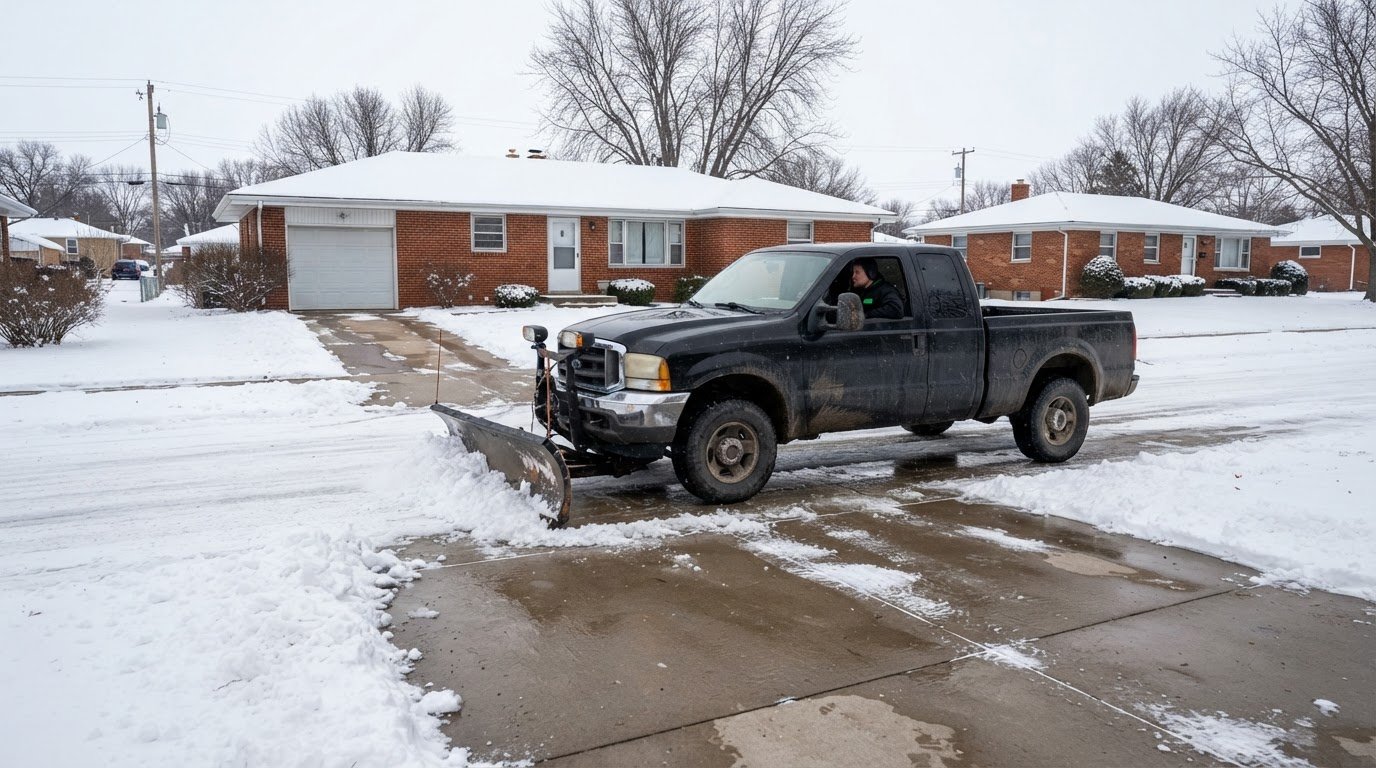
Match contracted tasks to the community’s actual needs. If winter access is included, define the shared areas covered and the work expected; snow and ice removal can be addressed separately from dormant pruning. A focused scope lets the association prioritize lawn health, clean beds, and safe common areas without treating every service as interchangeable.
Scoping professional mowing, turf, and edging services
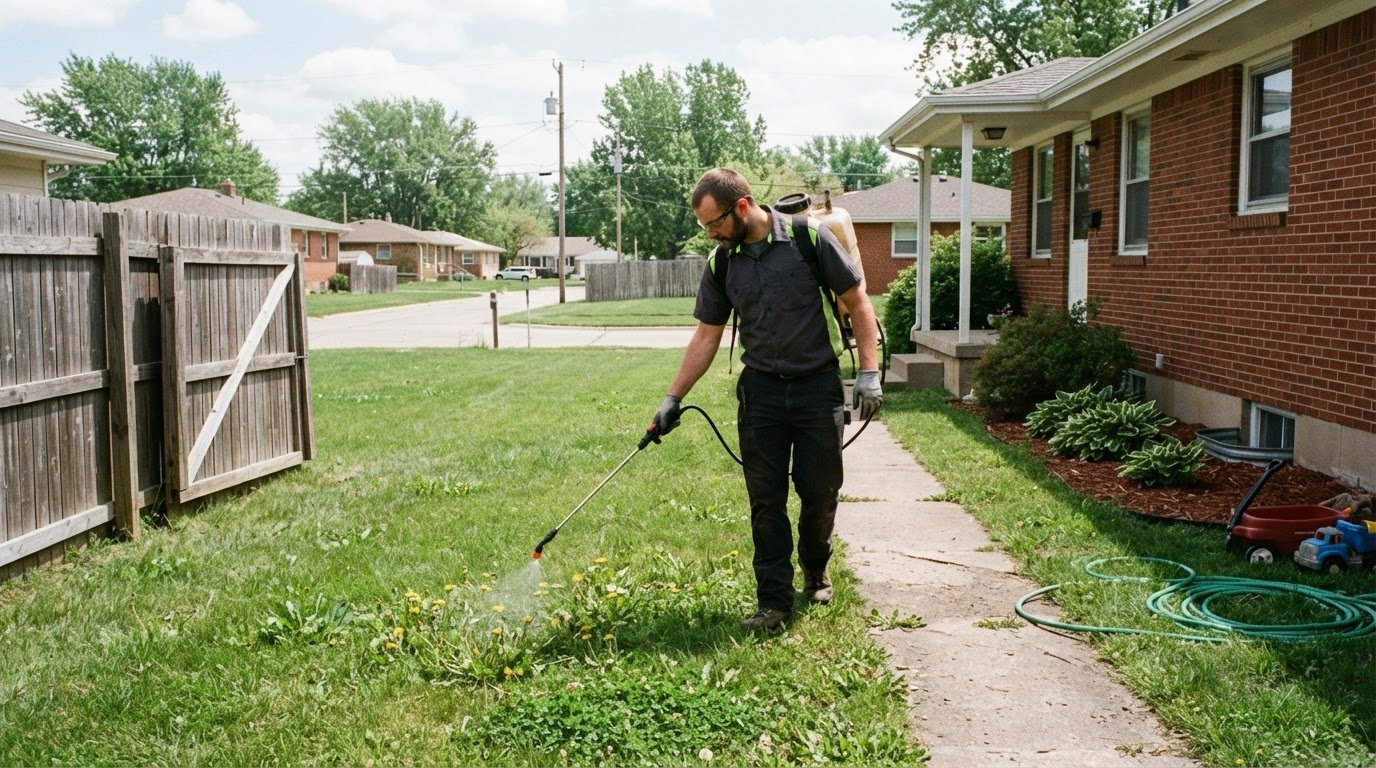
An HOA lawn care scope should identify the turf, mowing frequency, edging locations, weed control, and fertilization schedule. Review the property map, service standards, and seasonal priorities with the provider before work begins. This gives the association a clear basis for scheduling and reviewing the work.
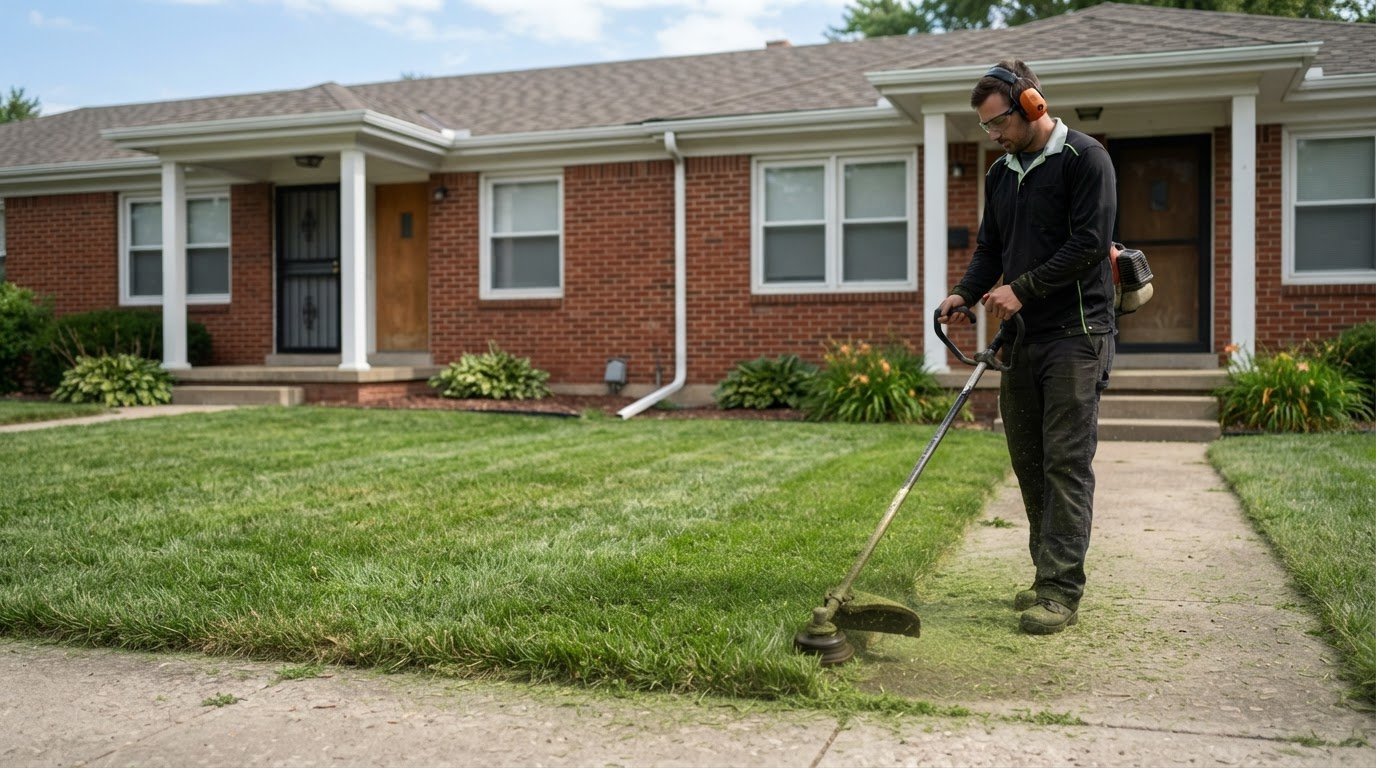
Start by marking mowing boundaries. Show common lawns, entrance strips, and shared green spaces on a site plan, then describe which edges need trimming. Specify whether edging applies beside sidewalks, curbs, driveways, or planted beds. “Mow the entrance lawn and edge along its sidewalk” is clearer than “maintain the entrance.” A professional lawn care plan can align routine service with the community’s turf priorities.
Set turf expectations in observable terms. Subject to governing documents and applicable law, HOA boards can establish standards for lawn care, weed control, approved plants, and mulch or edging. The agreement should translate those standards into the provider’s work. Identify the areas included in weed control, how fertilizing fits the service schedule, and how the association will record issues for follow-up.
- Mowing: Identify included turf zones, visit frequency, and edging locations.
- Turf care: Describe fertilization and weed-control areas in the scope.
- Edges and beds: Define boundaries beside walks, curbs, and planted areas.
- Review: Explain how the association documents missed areas or visible concerns.
Clarify how crews should work around obstacles. A site plan can flag signs, benches, irrigation components, and young plants. State whether clippings should be cleared from paved surfaces and how damage to turf or property should be reported. These details turn general standards into consistent expectations and reduce reliance on informal interpretations.
When planning an HOA lawn maintenance contract in Lincoln, discuss the property map, mowing frequency, turf and weed-control needs, edging boundaries, and reporting process. Also agree on how seasonal schedule changes will be communicated and how completed work will be reviewed. These decisions help shape a scope around the association’s grounds rather than applying one standard to every area.
Keep compliance with governing documents central. If the association has approved plant or mulch standards, include the applicable rules in the work description. Define how proposed changes to service areas or maintenance practices are approved, then record updates in writing. Discuss your HOA’s mowing and turf scope to establish a clear, practical service plan.
Yardworx Lawn & Landscape: Irrigation Maintenance
Yardworx Lawn & Landscape provides irrigation repair and maintenance for HOA properties. The association can identify the areas that need attention and include irrigation tasks alongside mowing and other scheduled lawn care. A clear scope helps keep shared grounds consistently maintained.
For broader turf needs, the service options include weekly lawn mowing, a 6-Step Fertilizing Program, and aeration and overseeding. These offerings can support a contract focused on healthy, orderly common areas, while irrigation maintenance addresses the watering system itself.
For help planning HOA grounds maintenance, contact Yardworx Lawn & Landscape.
Set your community up for the next season
Use the signed agreement as a working reference throughout the year, not just during provider selection. Keep approved changes with the original scope and record board decisions where future members can find them. This continuity helps preserve expectations when responsibilities shift or community priorities change.
A well-defined HOA lawn maintenance contract in Lincoln also supports thoughtful planning at each seasonal review. Note which areas need attention, what the association wants to improve, and how those priorities fit the next work cycle. A consistent review keeps decisions grounded in the property’s needs rather than rushed responses to individual concerns.
As the next review approaches, bring the association’s priorities and current scope together for a practical discussion. Yardworx Lawn & Landscape can help shape a plan around the community’s maintenance needs. Contact Yardworx Lawn & Landscape to discuss the next step, and move forward with a clearer plan for your grounds.
Frequently Asked Questions
What Counts as HOA Landscaping?
HOA landscaping usually covers outdoor areas the association maintains or manages, such as entrance lawns, shared green spaces, and common planting beds. The scope depends on the property layout and governing documents. A community may include turf around a shared mailbox area but exclude privately maintained yards. Naming each area helps residents understand which grounds the association manages.
What is the average HOA lawn maintenance contract cost in Lincoln, NE?
There is no single average that represents every Lincoln HOA property. The cost depends on the areas maintained, service frequency, and tasks included, such as mowing, lawn treatments, or seasonal cleanup. Larger shared lawns and broader scopes involve different work. Request a quote based on the property’s specific maintenance needs.
How should an HOA evaluate landscaping contract bids and compare providers?
Compare proposals using the same property map and task schedule, then separate included services from optional work. Confirm that each proposal covers the same entrance lawns, shared beds, and seasonal tasks. Note assumptions about access, site boundaries, and how service changes will be documented. This side-by-side review shows whether different totals reflect different scopes, rather than making the lowest figure the only basis for selection.
How can an HOA request lawn maintenance bids from providers in Lincoln, NE?
Prepare a request with the community map, areas requiring service, desired mowing frequency, seasonal priorities, and applicable landscape standards. Include a contact for property access and a process for questions or proposed scope changes. Ask for the work to be organized by area and task. This gives the association a clearer basis for reviewing proposals and planning maintenance.