
What if the secret to keeping your yard green through a scorching July isn't pushing it to grow faster, but helping it rest? When 90°F heat settles across the plains and daily water demands peak, forcing cool-season turf to thrive through heavy feeding often backfires. Master the right lawn care tips Nebraska summer requires, and you quickly realize that seasonal stewardship is purely defensive. Protecting your grass crowns through mindful moisture and proper mower height will always beat chemical forcing.
You already know the frustration of watching your turf fade to brown while high utility bills arrive, or fighting stubborn crabgrass patches that seem to prosper while your good grass wilts. It feels like an endless cycle of weekend chores with little reward to show for it. We promise you don't have to spend your entire summer battling your yard to enjoy a lush, resilient outdoor space.
Below, you'll discover actionable mowing habits, smart watering schedules, and proven weed defense strategies designed to keep your turf strong all season long, giving you back your warm-weather weekends to simply relax.
Understanding Nebraska Summer Turf Stress: Cool-Season Realities
Lincoln summers present a specific physiological trial for home lawns. Most residential yards across Lancaster County feature cool-season grasses, primarily Kentucky bluegrass and turf-type tall fescue. These varieties thrive in temperatures between 60°F and 75°F. Once daily ambient readings consistently climb above 85°F, turf growth naturally slows. Photosynthesis declines, causing the plant to consume energy reserves faster than it produces them.
When soil temperatures cross the 80°F mark, grass roots undergo a process known as root dieback or shrinkage. The lower root system recedes, leaving the lawn dependent on the top couple of inches of soil. Establishing defensive lawn care tips Nebraska summer conditions demand during early June protects these vulnerable crowns before August heat waves arrive.
The Transition Zone Challenge in Eastern Nebraska
Eastern Nebraska sits directly in the climatic transition zone. We experience sudden shifts from muggy, saturated air to dry, 95°F winds. This erratic climate interacts harshly with the region's dense clay soils. Clay particles pack tightly, limiting oxygen exchange and trapping heat around root systems during prolonged dry spells.
- Tall Fescue: Develops deeper roots, up to two to three feet down, providing reliable drought resilience and steady performance through hot stretches.
- Fine Fescues: Prefer shaded microclimates and show heat stress quickly when subjected to full afternoon sun and heavy soil compaction.
Identifying Summer Dormancy Versus Permanent Turf Damage
Many homeowners confuse natural heat dormancy with actual turf death. You can evaluate the true health of your grass using two simple diagnostic tests, keeping your lawn care tips Nebraska summer routine targeted rather than wasteful:
- The Crown Hydration Test: Part the brown blades and inspect the base near the soil line. If the crown tissue feels plump and shows an off-white or light green hue, the plant remains alive and dormant. If it crumbles and turns entirely black, the plant has died.
- The Classic Tug Test: Grab a handful of discolored grass blades and pull upward gently. If the turf holds firm against the earth, the root system is dormant. If it slides out of the ground like a loose carpet, white grubs have chewed through the root foundation.
- Disease Recognition: Natural dormancy appears uniformly across wide sunny zones. In contrast, fungal issues like brown patch leave distinct circular lesions with dark, water-soaked borders.
Summer Mowing and Irrigation Rules for Resilient Lawns
Keeping turf vibrant through July heat waves comes down to mechanical discipline rather than heavy intervention. Implementing practical Lincoln lawn care services habits protects fragile root zones when eastern Nebraska temperatures peak. You can safeguard your turf by applying four straightforward summer practices: raising mower decks, cycling water delivery, checking spray patterns, and keeping cutting blades razor sharp.
Homeowners seeking consistent turf density often schedule reliable routes for weekly lawn mowing in Lincoln, ensuring their grass stays neat while preserving valuable weekend downtime.
Raise the Blade: The 3.5 to 4 Inch Summer Standard
Taller grass provides immediate shade over vulnerable root systems. Keeping cool-season fescue cut between 3.5 and 4 inches cools the topsoil, trapping precious moisture beneath a dense biological canopy. Never remove more than one-third of the total grass blade during a single cut, as scalping forces the plant to divert critical moisture from root survival toward leaf regeneration. Keep mower blades sharp; dull edges rip grass, leaving frayed brown tips that bleed water into dry summer breezes. For homeowners replacing broken lawn equipment or clearing out clutter, you can learn more about Copper State Junk Removal & Hauling to see how professional hauling services handle scrap metal recycling.
Smart Irrigation Practices for Nebraska Clay
Delivering 1 to 1.5 inches of water weekly in deep, infrequent cycles encourages roots to reach far down into the subsoil. Water between 4:00 AM and 8:00 AM. This window avoids midday sun evaporation while allowing grass blades to dry quickly, preventing leaf spot and crown rot. Because Lancaster County clay absorbs moisture slowly, use the cycle-and-soak method:
- Run sprinkler zones for 10 to 15 minutes to soften the top layer.
- Pause for 30 to 45 minutes, letting moisture seep deep into tight clay particles.
- Run the cycle a second time to hydrate root systems thoroughly without street runoff.
Sprinkler Audits and System Maintenance
Uneven water coverage creates random dry patches across your yard. Place empty tuna cans across individual watering zones, run the system for 15 minutes, and measure the water depth with a ruler. This simple check confirms whether heads deliver even moisture or if sunken rotors are washing away topsoil.
Inspect spray heads monthly for clogs and misalignments that spray sidewalks instead of turf. Scheduling dedicated irrigation maintenance optimizes water delivery while honoring local conservation goals. When you want an expert set of eyes on your system or mowing routine, feel free to reach out to our local team to streamline your seasonal maintenance plan.
Managing Summer Weeds, Grubs, and Fungal Pathogens
High temperatures place intense pressure on cool-season turf, opening the door for aggressive weeds, insects, and fungal spores. Applying chemical treatments in haste often does more harm than good. When ambient temperatures exceed 85°F, blanket herbicide sprays cause severe leaf burn on heat-stressed grass. Balancing defensive pest management with plant safety is essential when applying reliable lawn care tips Nebraska summer conditions require.
| Threat | Visual Symptoms | Target Response |
|---|---|---|
| Crabgrass & Nutsedge | Light green, rapid vertical shoots spreading across thin turf patches. | Selective spot-treatment during cool morning hours below 85°F. |
| White Grubs | Spongy turf that rolls back easily; irregular wilting despite watering. | Preventative soil applications timed between mid-June and early July. |
| Brown Patch | Circular tan patches surrounded by dark, water-soaked outer rings. | Eliminate evening irrigation; adjust watering to early morning hours. |
Tackling Opportunistic Summer Weeds Safely
Crabgrass, foxtail, and yellow nutsedge thrive in hot Lancaster County soils, exploiting any bare spots in your lawn. Hand-pull isolated weeds when soil is moist after an irrigation cycle. If you must use post-emergent herbicides, spot-treat individual weeds early in the morning before temperatures climb. Maintaining a dense 3.5 to 4-inch turf canopy naturally blocks sunlight from reaching buried weed seeds, stopping germination before it starts.
White Grub Defense and Surface-Feeding Pests
The larvae of Japanese beetles and masked chafers hatch deep in the root zone by midsummer. These white grubs sever roots below the surface, destroying the lawn's ability to take up moisture. Apply preventative grub treatments between mid-June and early July so the barrier is active right as tiny larvae begin feeding. During dry July stretches, keep an eye out for chinch bugs and armyworms, which suck plant juices and cause fast-spreading, bleached patches in sunny areas.
Common Midsummer Lawn Diseases: Brown Patch and Dollar Spot
High nighttime humidity combined with temperatures above 70°F triggers Rhizoctonia solani , commonly called brown patch. You will notice irregular brown circles outlined with a dark "smoke ring" during humid mornings. Dollar spot produces smaller, silver-dollar-sized circles with straw-colored lesions on individual blades. Stop disease progression immediately by shifting all watering to dawn hours, allowing blades to dry before dark, and pruning low tree branches to improve air circulation across stagnant yards.
Homeowners seeking complete peace of mind can turn to specialized lawn care treatments that target these destructive invaders without damaging fragile summer turf.
Midsummer Lawn Care Do's and Don'ts: Nutrition and Soil Care
Feeding your lawn during a sweltering July afternoon often feels intuitive, yet chemical forcing during peak heat remains the quickest way to ruin cool-season grass. Many well-meaning homeowners assume pale turf simply craves nitrogen. In truth, applying aggressive synthetic fertilizers forces the plant to burn critical sugars needed to survive Lancaster County droughts. Mastering balanced lawn care tips Nebraska summer rules means shifting focus from forced top growth to quiet cellular protection.
- DO apply potassium in early summer to strengthen turf cell walls against drought and foot traffic.
- DO switch to chelated iron foliar sprays if you desire deep, dark green color without triggering rapid blade growth.
- DON'T apply high-nitrogen, quick-release synthetic fertilizer during extended stretches above 85°F.
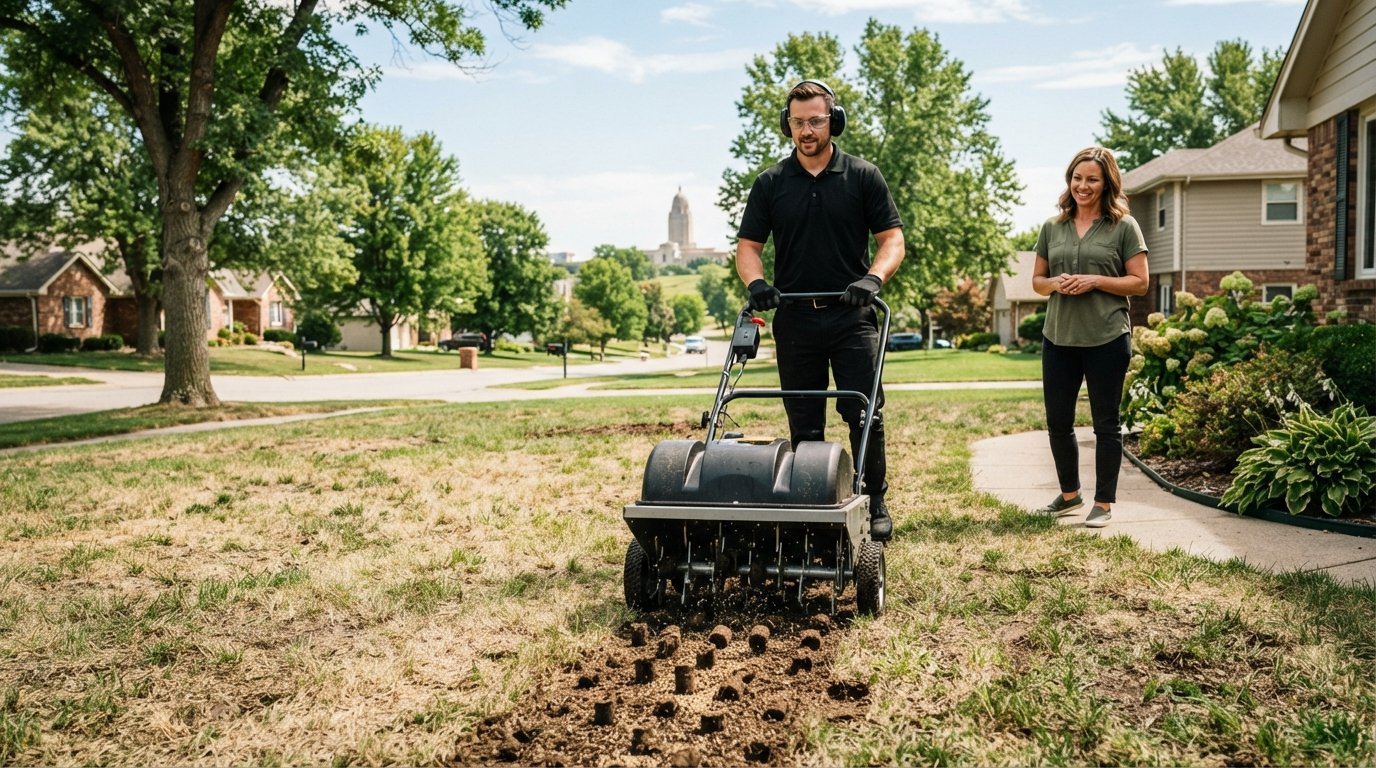
- DON'T aerate or heavy-rake your yard in midsummer, as disturbing baked clay exposes shallow root crowns to scorching air.
Following a reliable fertilizer program removes the guesswork, ensuring your soil receives the right nutrients at biologically appropriate times.
The Hazards of Quick-Release Summer Nitrogen
High-nitrogen feeding triggers rapid, tender blade elongation. Because your grass must pull precious carbohydrates from its already shrinking root zone to fuel this burst, the entire root foundation collapses. These lush, thin cell walls also act as open invitations for fungal spores like brown patch. If pale turf bothers you in mid-July, choose iron treatments instead. Iron enhances deep green coloration through chlorophyll synthesis without forcing leaf production or draining root carbohydrates.
Traffic Management and Protecting Heat-Stressed Soil
Lincoln's heavy clay packs down tightly under foot traffic when baked dry. Driving heavy equipment, parking vehicles, or hosting large outdoor gatherings on parched turf fractures dehydrated crowns and compacts the topsoil into a brick-like barrier that repels water. Direct heavy activity to patios or shaded decks during extreme afternoon heat waves.
Summer is an exercise in preservation; actual soil reconstruction belongs in the early autumn window. As August winds down and temperatures soften, you can easily restore compacted soil and fill thin areas by studying proven aeration and overseeding guides.
If you prefer spending your summer weekends on the patio rather than juggling soil chemistry and application windows, contact our Lincoln lawn specialists to set up a stress-free care plan tailored directly to your property.
Protecting Your Lincoln Property with Yardworx Summer Maintenance
Managing summer turf stress across Lancaster County requires constant vigilance, precise timing, and hard physical effort in intense heat. Between monitoring clay soil moisture, diagnosing fungal threats, and keeping up with growth cycles, caring for your property can quickly consume your precious warm-weather downtime. Partnering with Yardworx Lawn & Landscape transforms that demanding workload into pure peace of mind, putting experienced local caretakers in charge of your yard's seasonal defense.
As a locally owned Lincoln provider, Yardworx Lawn & Landscape brings neighborly dependability, punctuality, and true regional expertise to every property. Coordinating your care through comprehensive seasonal lawn maintenance planning ensures your turf transitions smoothly from summer survival into strong autumn recovery, giving you back your weekends to simply relax.
Reliable Weekly Mowing Designed for Summer Health
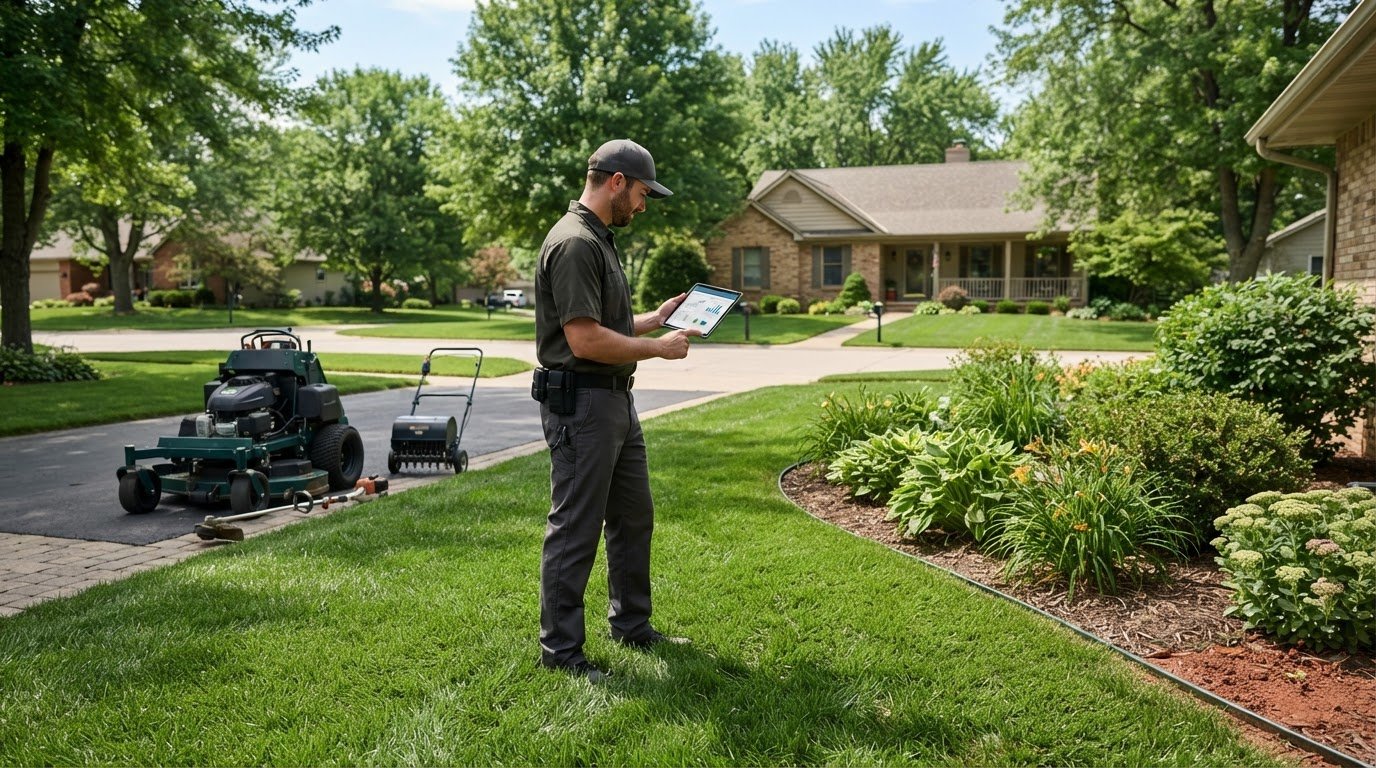
Consistent cutting height is your lawn's best defense against moisture loss. Yardworx Lawn & Landscape provides dependable weekly lawn mowing services structured around optimal summer turf physiology. Dedicated crews arrive on predictable schedules, keeping cutting decks set high to shade soil crowns without scalping. We sharpen commercial blades continuously to guarantee clean, scissor-like cuts that heal rapidly. Finely mulched clippings are returned evenly to the lawn, locking in moisture and delivering organic nutrients directly back to tight clay soils while you stay cool inside.
The Yardworx Lawn & Landscape 6-Step Program: Science-Backed Seasonal Balance
Effective summer lawn care tips Nebraska summer properties demand require balanced, season-specific nutrition rather than random fertilizer bags. The Yardworx Lawn & Landscape 6-Step Fertilizing Program is carefully tuned to local soil chemistry and regional weather patterns:
- Delivers slow-release, stress-buffering nutrients that preserve root viability without sparking risky foliar surges during July and August heat waves.
- Applies targeted weed control solutions safely during optimal weather windows to protect desirable turf from heat stress.
- Integrates timely preventative grub defense deep into the soil profile right before beetle larvae begin damaging delicate root structures.
Enjoying a thick, healthy yard throughout the hottest months doesn't have to mean losing your Saturdays to lawn chores. Connect directly with our friendly local specialists through Yardworx Lawn & Landscape customer support to tailor a dependable summer maintenance schedule for your home.
Enjoy a Resilient, Worry-Free Lawn This Season
Sustaining a vibrant yard through Lancaster County's sweltering months doesn't require complex chemical treatments or endless physical labor. Embracing the foundational lawn care tips Nebraska summer turf relies on means working in harmony with your grass. Maintaining a tall mowing height shades vulnerable crowns, early morning deep watering protects delicate clay soils, and holding off on quick-release fertilizers shields root systems from severe heat damage.
You don't have to surrender your warm-weather weekends to stressful lawn chores. Yardworx provides reliable, full-service outdoor care right here in Lincoln. From dependable weekly mowing routes to our tailored 6-step fertilization program designed specifically for local soils, our dedicated crews handle every seasonal detail with neighborly pride. Take back your leisure time, fire up the grill, and let our experienced team manage your yard's summer protection. Request your free summer lawn care consultation today, and look forward to stepping outside onto lush, resilient green turf all summer long.
Frequently Asked Questions
How often should I water my lawn during a Nebraska summer heatwave?
Water your lawn only once or twice per week rather than running short daily cycles. Delivering one to one and a half inches of total water weekly satisfies the needs of cool-season turf. This deep, infrequent routine encourages roots to stretch far into Lincoln clay soils while complying with local conservation guidelines. Always complete watering in the early morning to minimize loss from midday evaporation and dry prairie winds.
Can I apply weed killer to my lawn during hot July weather?
Never apply blanket weed killers when outdoor temperatures exceed 85°F. Herbicides become volatile in extreme heat, which can easily burn desirable grass foliage and cause permanent turf damage. If troublesome weeds like crabgrass or foxtail appear, selectively spot-treat individual plants during cooler morning hours. Maintaining a dense grass canopy remains your best defense against weed encroachment.
Why is my grass turning brown even though my sprinklers run daily?
Daily shallow watering keeps root systems weak and confined to the top inch of soil, where ground temperatures are hottest. This practice often creates prime conditions for fungal diseases like brown patch while suffocating clay-heavy soil. Transitioning to deep, infrequent watering cycles helps roots stay resilient. Applying proven lawn care tips Nebraska summer conditions require ensures your irrigation penetrates deep beneath baked soil surfaces.
What height should I set my mower to during Nebraska summers?
Set your mower deck to maintain a cutting height between 3.5 and 4 inches for cool-season turf varieties. Taller grass blades shade the soil, reducing water loss from evaporation and keeping root zones significantly cooler during 90°F heat waves. Never cut away more than one-third of the total leaf length in a single session, as scalping causes intense physiological shock.
Is it safe to fertilize my lawn in the middle of summer?
Avoid applying fast-acting, high-nitrogen fertilizers during hot July and August days. Nitrogen forces grass to push tender top growth while depleting critical carbohydrate stores needed to survive heat stress. If your lawn looks pale, applying iron supplements restores color safely without forcing rapid shoot production. Heavy feeding should wait until early autumn when cooler weather supports deep root development.
What happens if my lawn goes dormant during a drought?
Dormancy is a natural survival mechanism where cool-season grass shuts down top growth to protect its central crown. Your turf can safely remain in this dormant, brown state for three to four weeks without dying. To keep crowns hydrated during prolonged dry spells, apply about half an inch of water every two weeks. Green tissue will quickly rebound once cooler temperatures and autumn rains return.
How do I know if my lawn has grubs or is just dry?
Use the simple tug test to check whether brown patches stem from moisture stress or grub feeding. Grab a handful of discolored blades and pull straight upward with steady pressure. If the grass stays firmly anchored, the turf is simply dry and dormant. If the sod pulls up effortlessly like a loose rug, white grubs have likely severed the root system below.