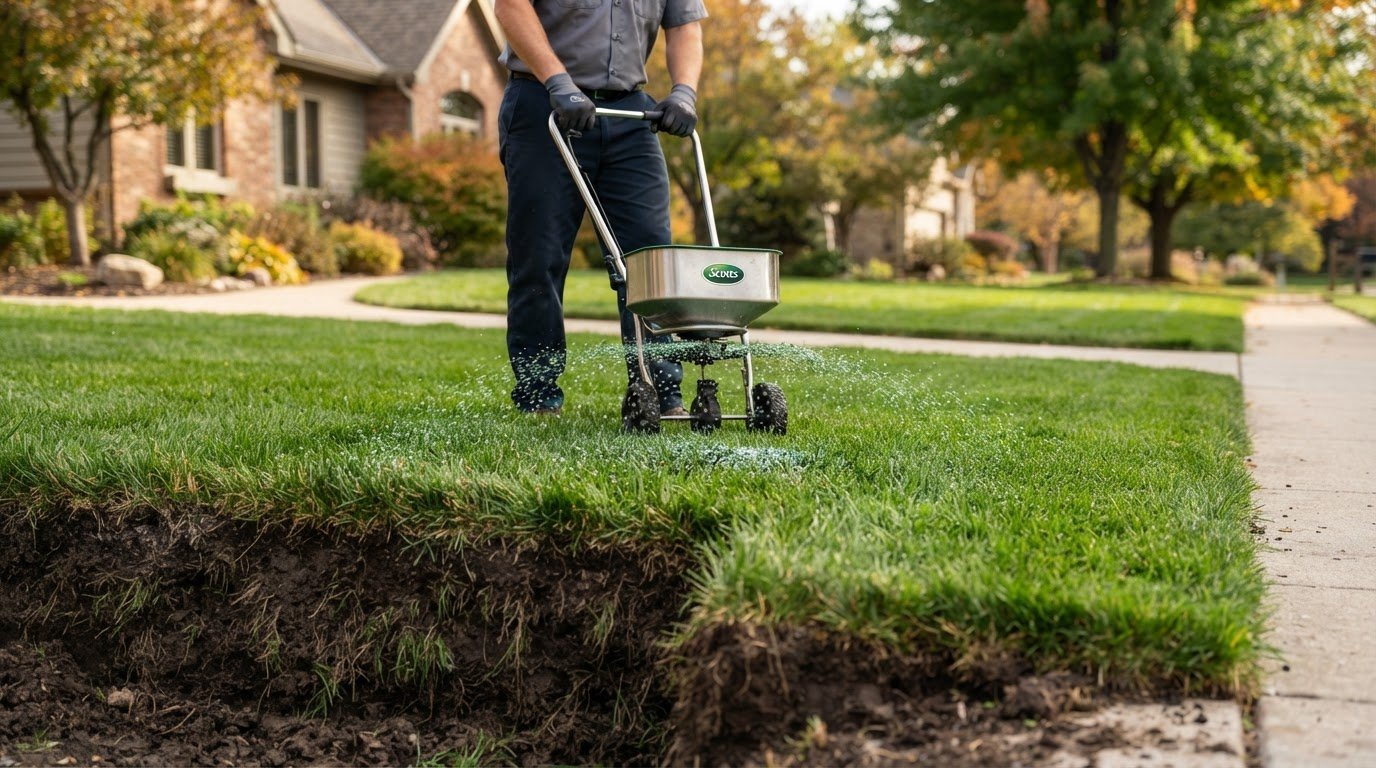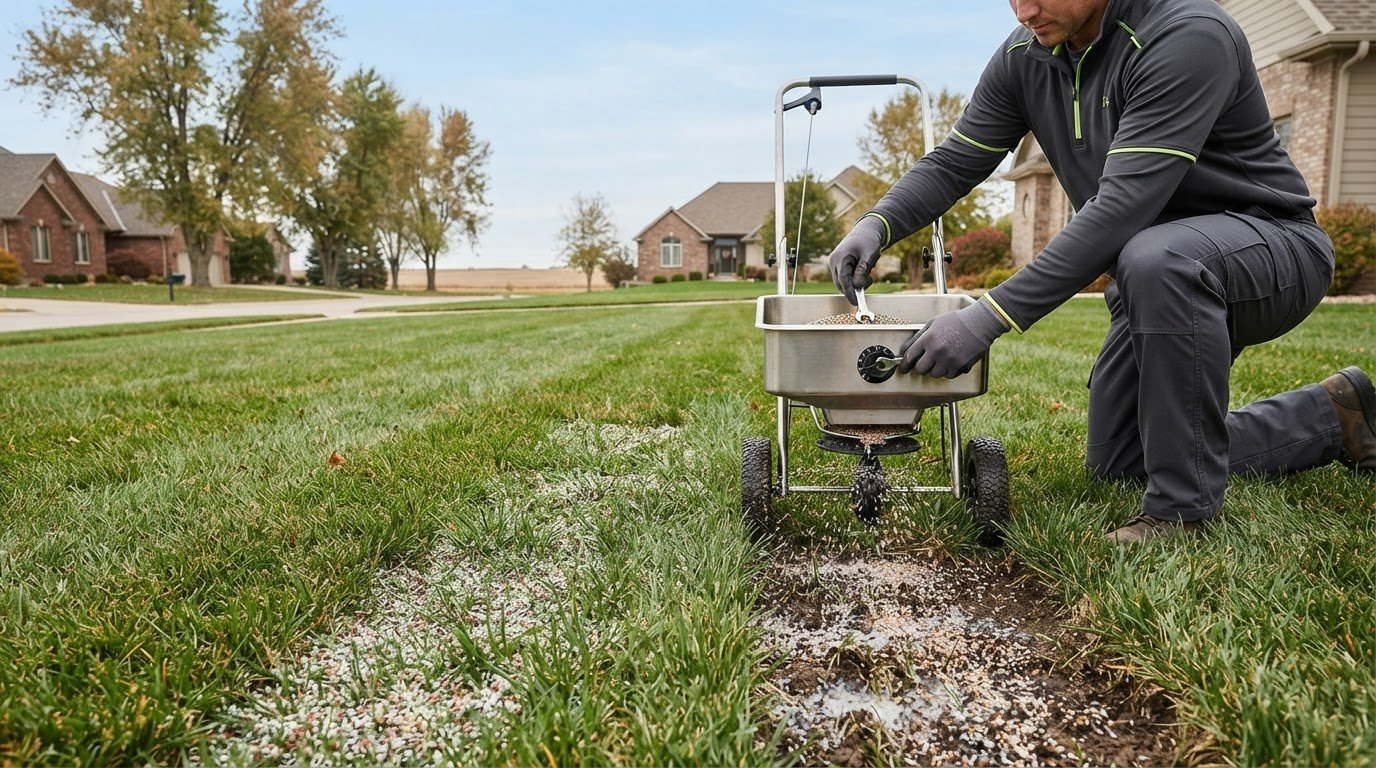
There isn’t one return-time rule that fits every lawn fertilizer application. A pet-friendly lawn fertilizer service in Lincoln should explain that pets and family members can return according to the directions for the specific product used, rather than relying on a blanket wait time.
It’s understandable to want your yard back in use quickly, especially when pets need space to play and the lawn is part of your family’s routine. The right timing depends on the product and application, so knowing what to expect helps you plan safely.
Learn what affects re-entry timing, how soil and grass type shape a fertilizing plan, and how to plan around everyday lawn use. You’ll also find practical guidance on ongoing lawn care in Lincoln, so you can support healthy turf while keeping your household’s routine in mind.
Pet and family considerations during fertilizer application
Plan fertilizer applications around the product label, household routines, and weather. For pets and children, the key step is keeping them off treated areas until the label’s re-entry directions are met.
Post-Application Watering Directions
Watering instructions depend on the product: some applications call for water to move nutrients into the soil, while others require the treatment to dry first. Read the label before turning on irrigation, and follow its timing and amount rather than using one rule for every product. For Lincoln lawns, the University of Nebraska recommends 1.5 inches of water per week, including rainfall. During drought, adjust irrigation to avoid both dry turf and runoff.
Pet-Friendly Products and Local Restrictions
“Pet-friendly” describes a product and application approach intended to reduce exposure when directions are followed. It does not mean pets can walk on treated grass immediately. Product choice depends on the lawn’s needs, such as fertilizer for nutrient support or a pre-emergent treatment for weed prevention. Check the label for application, watering, and re-entry instructions before letting pets or children back outside.
For Lincoln, environmental precautions matter during application. Avoid fertilizing when the forecast calls for heavy rain of 0.5 inch or more, and don’t apply fertilizer to frozen or saturated soil. These conditions can move nutrients away from the lawn. Keep granules off sidewalks and driveways; sweep stray material back onto turf instead of washing it toward a drain.
Application rates also affect runoff and turf health. A Lincoln lawn target is 2-3 pounds of nitrogen per 1,000 square feet annually, split between spring and fall. Base the amount on the treated lawn area and product directions, rather than applying extra fertilizer to compensate for weak or discolored grass. A soil test can help identify whether nutrients or a soil amendment are the more relevant next step.
Soil amendments address a different need from fertilizer. For a lawn renovation, incorporating 2-3 inches of compost into soil tilled to a 6-inch depth can improve the soil before reseeding. Avoid treating compost as a substitute for a measured fertilizer application; each has a separate role. Keeping amendments and fertilizer within the lawn also helps limit material carried away by rain.
Weed-control treatments need the same care. Pre-emergent products are designed to prevent targeted weeds from establishing, and their use and watering instructions depend on the label and timing. Keep children and pets away during treatment, and follow the stated re-entry directions. Landscape-bed weed control is separate from turf fertilization, so don’t assume one product or schedule covers both areas.
For a local view of fertilizer care and applications, Lincoln fertilizer services can be considered alongside household use, lawn conditions, and runoff prevention.
Tailoring plans to soil, grass type, and lawn use
A useful lawn plan starts with what is growing and what the soil can support. In Lincoln, soil pH is described as 5.5-6.5; the appropriate nutrient plan also depends on grass growth, sun exposure, drainage, and how the yard is used. A lawn that hosts daily play has different wear patterns from a front yard used mainly for appearance.
Soil pH affects how readily grass can use nutrients, so begin with a soil test before adding amendments. Lime is recommended for Lincoln lawn soil when its pH is below 6.0. Apply amendments according to the test’s results, rather than treating every area alike. For example, a shaded, damp corner may need a different approach from a sunny, heavily used strip.
Grass type affects the season and timing of fertilization. Cool-season grasses grow most actively during cooler parts of the year, while warm-season grasses grow most strongly in warmer weather. Identify the grass before choosing a fertilizer schedule; applying the same timing to both can miss the lawn’s active growth period. Summer heat and drought also affect lawn health, so don’t assume stressed grass needs more fertilizer.
Match overseeding seed to the grass already growing, then consider sunlight, soil moisture, and foot traffic. A blend suited to a sunny play area may not work as well in a shaded patch under trees. Check the seed label for grass types and growing conditions, and prepare the soil so seed can reach it. Overseeding can fill thin areas, but it won’t fix an ongoing problem such as poor drainage or repeated heavy wear.
Let lawn use guide your plan. Note where children play, where pets regularly cross the lawn, and which paths get the most traffic. These patterns can reveal compacted or worn areas that may benefit from targeted repair, rather than treating the whole yard as if every section has the same needs. Keep application and watering directions in mind when planning outdoor routines around treated areas.
For a practical starting point, group the lawn into areas with similar grass, sunlight, and use. Record visible differences, such as thin growth in shade or worn turf beside a gate, then use soil-test results to guide amendments. This gives seasonal lawn care a clear purpose: support healthy growth, choose compatible seed, and address the conditions behind weak spots.
A soil test can make amendment choices more specific and help you compare areas with different needs. When arranging a test, note which lawn area each sample represents. That way, the results can guide care for that section instead of being treated as a universal instruction for every patch.
Use ground conditions as a reason to pause, not rush an application. The page advises against fertilizing Lincoln lawns when the soil is frozen or saturated. If either condition applies, wait until the soil is no longer frozen or saturated, and consider the lawn’s soil-test guidance when deciding what it needs. This keeps timing tied to soil conditions as well as grass type and lawn use.
When can families and pets return to serviced areas?
Return timing depends on the product applied and its directions. For Yardworx fertilizer applications, keep pets and children off the treated lawn until it dries, approximately 24 hours. A pet friendly lawn fertilizer service Lincoln residents use should give clear, product-specific return instructions rather than rely on a one-size-fits-all waiting period.
Before treatment, identify the sections pets use most, such as a dog’s usual route through the yard or a child’s play area. Plan an alternative while the treated turf dries. Supervise pets and keep them out of the treated space, even if they usually stay close to the house.
After application, follow the product label for re-entry and any watering directions. Drying time can vary with the treatment and conditions, so don’t treat a general estimate as permission to return early. If the grass still appears wet, keep the area closed and continue using the alternate route. A pet friendly lawn fertilizer service Lincoln households choose should make these instructions easy to understand.
Protect the small items pets and children touch, too. Before the crew arrives, move water bowls, toys, and outdoor pet beds away from the application area. Keep gates closed during treatment, and don’t leave food or treats on the lawn. These steps reduce the chance of contact with treated grass or residue on belongings.
Households with multiple outdoor areas can make a simple access plan. Temporarily use a side yard or a walking route that avoids treated turf, for example. Keep children’s play equipment in an untreated location until the label permits the lawn’s return to normal use. Tell everyone which section is closed, so a familiar shortcut doesn’t lead across the treated area.
Once the product directions allow access, check bowls and toys for visible residue before returning them to the yard. If pets go out during the restricted period, supervise them rather than allowing free access to the lawn. Yardworx Lawn & Landscape’s pet friendly lawn fertilizer service in Lincoln includes clear guidance on the treatment’s purpose and the precautions to follow.
Plan ahead for dogs that need frequent outdoor breaks or children who use the yard daily. Arranging another outdoor space before an appointment is easier than making a last-minute change. Clear timing instructions and a temporary access plan help keep lawn care manageable while the treatment dries.
Once the product directions allow access, adjust routine lawn care to suit current conditions. During a particularly hot or dry spell when temperatures are consistently above 90 degrees, add 10-15 minutes to each irrigation zone. Check the product label for any watering guidance that applies after treatment, and avoid letting routine irrigation conflict with those instructions.
Keep your return plan flexible if the lawn needs more time before normal use resumes. Continue directing pets and children to untreated areas until the label permits access, and make sure everyone knows which route to use. If conditions change, review the product directions instead of assuming the same schedule suits every application.
Lawn fertilization programs
A seasonal program coordinates fertilizer applications with grass growth and nutrient needs. In Lincoln, timing and total nitrogen matter more than adding fertilizer whenever grass looks pale.
Fertilization Program Options
A program can schedule applications across the growing season, with each treatment serving a planned purpose. Look for a schedule that considers grass type, soil conditions, and visible growth, rather than repeating treatments without reviewing results. Healthy lawns need nutrients in suitable amounts; extra fertilizer won’t automatically improve color or density.
Start by identifying your lawn’s main goal. A homeowner repairing thin turf may need a different sequence from someone maintaining established grass. Soil-test results can help distinguish nutrient needs from other causes, such as compacted soil or unsuitable growing conditions. Record application dates and the lawn’s response so later decisions build on visible changes.
Lincoln lawns are recommended to receive 2-3 pounds of nitrogen per 1,000 square feet annually, split between spring and fall. That is a seasonal total, not an amount to apply at every visit. Calculate the actual treated turf area, then follow product directions to avoid applying more nitrogen than the plan calls for.
Fertilizing Frequency and Seasons
For Lincoln lawns, fertilizer is recommended in spring and fall, with timing guided by the season and grass growth. Suggested windows are April 25-May 20 in spring and September 1-September 30 in fall. Early May, when soil temperature is 55°F, is also identified as an optimal application window.
These periods provide a calendar framework, not a reason to ignore lawn conditions. Grass type, soil, and weather influence how a lawn responds, while the product label governs application instructions. Plan treatments around these factors and the annual nitrogen total, rather than treating each scheduled visit as a reason to apply a full year’s amount.
Spring applications support growth as the lawn enters its active season. Fall applications continue the planned nutrient program beyond spring. In either season, record the product, treated area, and application date. These details help you track the annual total and see whether the lawn responds as expected.
Application frequency should reflect the program’s purpose. Routine maintenance differs from responding to a diagnosed nutrient need. If grass remains thin after scheduled applications, review growing conditions and soil information before increasing fertilizer. A measured, season-based plan supports lawn health while avoiding unnecessary applications.
Lincoln lawn fertilization
Fertilizing in Lincoln means considering the season, soil, weather, and lawn’s nutrient needs. Product choice and application directions also affect how families plan yard use.
Pet-Friendly Fertilizer Providers
In Lincoln, choose a lawn treatment service that explains the product, its purpose, and its label’s re-entry directions. A pet-friendly description alone doesn’t tell you when pets can return; the specific product instructions do. Clear communication about application timing and keeping animals away during treatment helps you plan.
For any provider, match the application plan to the lawn’s condition instead of relying on a generic treatment schedule. A nutrient application, for example, has a different purpose from a weed-control treatment. Ask for clear instructions covering treated areas, watering, and when normal use can resume. These details help households plan around pets, children, and outdoor routines.
Organic and Natural Fertilizer Options
Organic and natural describe product categories, not an automatic re-entry time or a guarantee of pet safety. In Lincoln, compare the label’s ingredients, application directions, and precautions, then follow those directions for people and pets. The label also helps distinguish a fertilizer from other lawn treatments with different purposes.
Choose a treatment based on the lawn’s actual needs, not the product description alone. Soil conditions, grass type, and season all influence the best approach. A soil test can help identify nutrient needs, while application rates should follow product directions. This makes it easier to weigh a product’s potential benefit against household routines and lawn conditions.
Seasonal timing matters in Nebraska. Recommended fertilizer periods for Lincoln lawns are April 25-May 20 in spring and September 1-September 30 in fall. Early May, when soil temperature is 55°F, is identified as an optimal application window. The annual recommendation is 2-3 pounds of nitrogen per 1,000 square feet, split between spring and fall.
Weather can change whether an application makes sense. Avoid fertilizing when heavy rain of 0.5 inch or more is forecast, since runoff can carry nutrients away from the lawn. Don’t fertilize frozen or saturated soil either. Waiting for suitable conditions helps keep nutrients where the grass can use them, instead of increasing stress on already difficult ground.
For a useful comparison, consider how clearly the service explains its treatments and product directions, and whether the plan accounts for soil and grass conditions. Customer reviews may describe communication and scheduling, but they can’t establish product safety for every household. Clear instructions and a plan suited to your lawn give you practical details to assess before treatment.
Yardworx Lawn & Landscape: Weekly Lawn Mowing Services
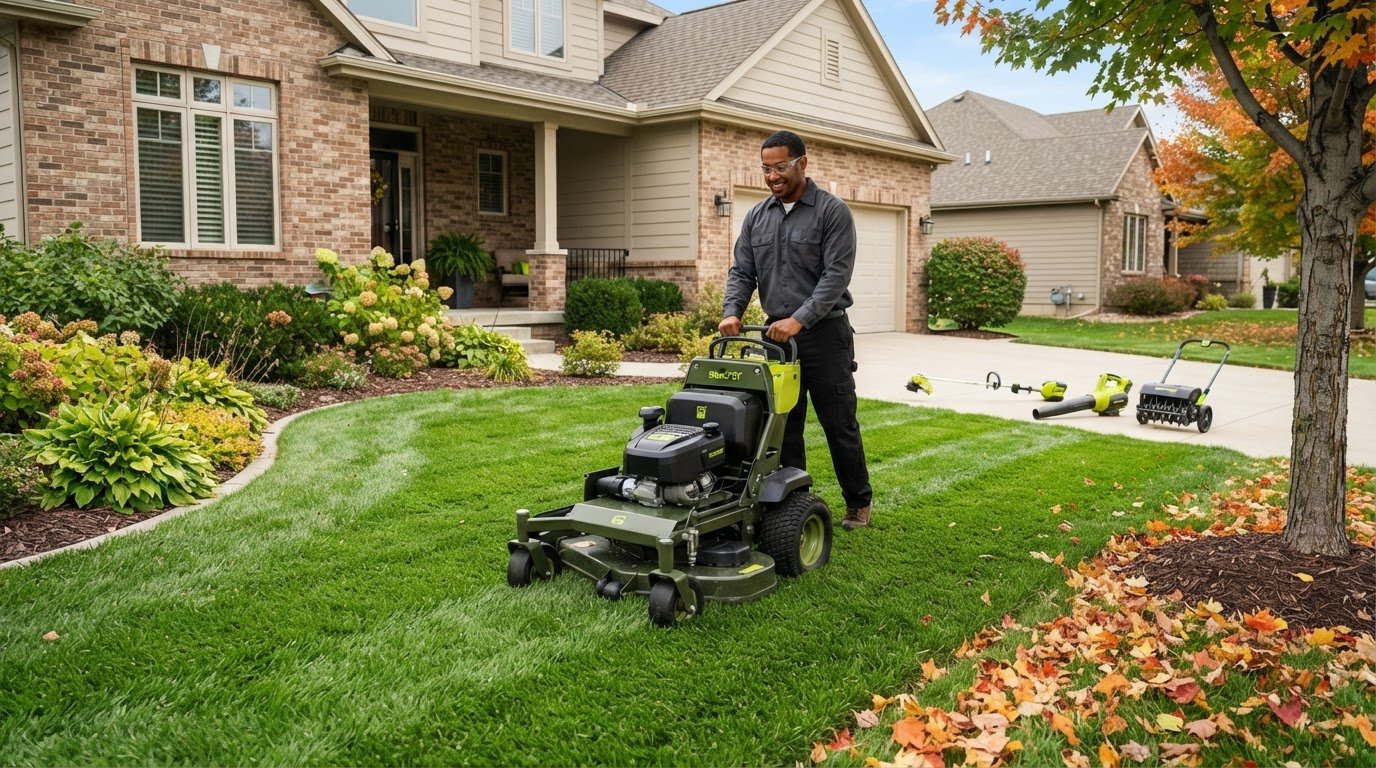
Yardworx Lawn & Landscape can help Lincoln homeowners coordinate routine mowing with a planned approach to lawn care. Its 6-Step Fertilizing Program supports ongoing turf maintenance, while weekly mowing keeps grass on a regular schedule.
After each application, follow the specific product label’s re-entry and watering directions. Keep pets and family members off treated areas until those instructions allow access, and plan mowing around the treatment directions. This helps you fit lawn care into your household’s outdoor routine.
If your lawn needs a consistent care schedule, contact Yardworx Lawn & Landscape to discuss your property and routine.
Make Your Lawn Easier to Enjoy
Turn your lawn-care notes into a practical plan for the months ahead. A pet friendly lawn fertilizer service in Lincoln should fit the way your household uses the yard and provide clear instructions for planning outdoor time after treatment. Keep product directions and lawn-care schedules together to make confident choices as the seasons change.
Yardworx Lawn & Landscape offers Weekly Lawn Mowing Services, a 6-Step Fertilizing Program, and Aeration & Overseeding. These services support different parts of ongoing lawn care, from regular upkeep to planned turf improvement. Choose the next step that best matches your lawn’s needs and your family’s routine.
Ready to talk through a lawn-care plan? Contact Yardworx Lawn & Landscape to discuss your property and what you’d like to improve. A well-planned yard can support a healthier lawn and more relaxed time outdoors.
Frequently Asked Questions
How long should pets stay off the lawn after fertilizer application?
For Yardworx fertilizer applications, keep pets and children off the treated lawn until it dries, approximately 24 hours. The product’s directions matter too, since instructions can differ between treatments. For example, if part of a Lincoln yard remains untreated, use that area for necessary outdoor breaks while the treated section dries. Don’t let pets eat grass or lick treated surfaces during the restricted period.
Do pet-friendly lawn fertilizer services require a soil test or lawn inspection?
No, a soil test isn’t automatically necessary for every fertilizer application, but it can guide nutrient decisions. A lawn inspection can also identify issues fertilizer alone won’t address, such as thin turf, shade, or signs of heavy foot traffic. If one patch struggles while the rest of your Lincoln lawn looks healthy, for example, examining that spot can help distinguish a soil concern from a growing-condition problem.
What precautions should pet owners take before and after lawn fertilization?
Before treatment, bring pet bowls, toys, and bedding indoors, and plan an alternate place for pets to go outside. Close gates or use a leash so animals can’t wander onto the treated area. After application, follow the product directions and keep pets away until re-entry is allowed. Once access resumes, return yard items and check hard surfaces for visible residue pets might contact.
How do pet-friendly fertilizer services compare on safety, effectiveness, and customer reviews?
Safety depends on following the product’s application, watering, and re-entry directions. “Pet-friendly” does not mean pets can return immediately. Effectiveness depends on choosing a product suited to the lawn’s needs and applying it as directed.