
You spent all Saturday morning watering, yet by Tuesday, those mysterious brown circles in your Lincoln backyard have only grown larger. It's incredibly frustrating to watch your grass decline, especially when you can't tell the difference between thirst and the common lawn diseases Nebraska homeowners often encounter. Many neighbors worry they'll waste money on the wrong treatments while their turf continues to suffer. We believe your outdoor space should be a place for relaxation, not a source of constant stress.
This 2026 guide is designed to help you accurately identify local turf issues, from aggressive Brown Patch to persistent Dollar Spot. You'll learn how to distinguish between fungal outbreaks and simple heat stress, ensuring you take the right steps for a full recovery. We will explore how professional-grade solutions, such as our 6-step fertilizing program and specialized aeration, provide the protection your grass needs to stay resilient. By the end of this article, you'll have a clear path toward a vibrant, healthy lawn that remains a beautiful backdrop for your home.
Understanding the Nebraska Lawn Disease Landscape
Lincoln sits right in the heart of the "Transition Zone." This geographical sweet spot means we experience the bone-chilling winters of the north and the sweltering, humid summers of the south. While this allows us to grow a variety of grasses, it also creates a volatile environment where common turfgrass diseases thrive. When your lawn is caught between these two temperature extremes, it becomes stressed. A stressed lawn is an open invitation for fungal pathogens to move in and take over.
The 2026 season has brought specific challenges to Eastern Nebraska. With spring humidity levels trending higher than average, the window for disease incubation has widened. We often see homeowners struggle because they treat their grass for drought when it's actually battling a fungus. Identifying the root cause is the first step toward a recovery that lasts. Our 6-step fertilizing program is designed to strengthen these natural defenses, ensuring your soil has the nutrients required to fight back against local pressures.
The Impact of Nebraska Climate on Turf Health
Fungi love Lincoln's summer nights. When the sun goes down but the temperature stays above 70 degrees with high humidity, your grass stays wet for hours. This "leaf wetness" is the primary trigger for many common lawn diseases Nebraska yards face. If you water late in the evening, you might accidentally be helping the fungi grow. We call this the "wet feet" effect. Saturated soil in the spring can suffocate roots, making them far more susceptible to infection when the July heat arrives. By the time August rolls around, a lawn that suffered through early summer drought is often too weak to resist late-season outbreaks like Rust or leaf spot.
Grass Varieties and Disease Resistance
Most Lincoln yards feature either Tall Fescue or Kentucky Bluegrass. Each has its own strengths, but they both have unique vulnerabilities you should know about. Tall Fescue is incredibly hardy and heat-tolerant. However, it's particularly prone to Brown Patch during those humid July stretches. On the other hand, Kentucky Bluegrass offers that classic, lush look but frequently falls victim to Necrotic Ring Spot, which can leave devastating circular patches in your turf.
We've found that the best defense is a diverse approach. Using a high-quality seed mix rather than a single variety creates a biological buffer. If one type of grass is susceptible to a specific fungus, the other varieties in the mix can stay healthy and fill in the gaps. Combined with professional aeration and overseeding, this strategy helps build a thick, resilient carpet of grass that can withstand the unpredictable Nebraska weather patterns we expect throughout 2026.
Common Lawn Diseases in Nebraska: Identification Guide
Walking out to your yard only to find mysterious spots or thinning patches can feel like a setback. While many issues look similar at first glance, the common lawn diseases Nebraska homeowners face have distinct "fingerprints" that reveal their identity. Identifying these early is the key to preventing a small patch from becoming a total lawn renovation project. By looking closely at the shape of the patches and the markings on individual grass blades, you can determine exactly what your turf is up against.
Spotting the "Big Three" Summer Fungicides
When the heat of July and August arrives, three specific diseases tend to dominate Lincoln backyards. Brown Patch is perhaps the most frequent offender for those with Tall Fescue. It appears as large, circular tan areas that can reach several feet in diameter. If you look at the edges during a humid morning, you might see a dark, water-soaked "smoke ring" surrounding the patch. This is a clear sign the fungus is actively spreading.
Dollar Spot gets its name from the small, silver-dollar-sized circles it creates. Unlike Brown Patch, these spots stay small but can appear in dozens of locations across the yard. If you inspect a single blade of grass, you'll see a light tan, hourglass-shaped lesion with a reddish-brown border. Finally, Summer Patch often mimics drought stress, creating the famous "frog-eye" pattern where a tuft of green grass remains in the center of a dead ring. Because it destroys the roots, watering won't help the grass recover. If you aren't sure which one is affecting your property, it's often best to request a professional lawn assessment to avoid applying the wrong treatment.
Cool-Season Diseases to Watch For
Diseases don't only strike in the heat of summer. Necrotic Ring Spot is a persistent threat to Kentucky Bluegrass, typically showing up during the moderate temperatures of early spring and late fall. It creates sunken, straw-colored rings that can persist for years if left untreated. In shaded areas where air circulation is poor, you might notice Powdery Mildew . This fungus looks exactly like someone took a sifter and dusted your grass with white flour, coating the blades in a pale, dull film.
As the Lincoln snowpack melts in early 2026, keep an eye out for Snow Mold . This appears as matted, crusty patches of pink or gray grass where the snow sat the longest. For many homeowners, Rust is the most visible issue in the fall. It coats mower blades and shoes in a fine orange dust. While it rarely kills the lawn, it's a sign that your grass is undernourished and needs the support of a consistent lawn treatment program to regain its vigor.
Disease or Drought? How to Diagnose Your Turf Issues
It's easy to assume your lawn is just thirsty when the July sun starts beating down on your Lincoln backyard. However, misdiagnosis is the primary reason many local yards don't survive the summer season. Treating a fungal infection with more water is like pouring gasoline on a fire. Don't guess. Understanding the subtle differences between thirst and the common lawn diseases Nebraska properties face helps you act before the damage becomes permanent.
A professional diagnosis starts with a close-up look at the individual grass blades. Drought-stressed grass usually folds its leaves inward to conserve moisture, taking on a dull, bluish-gray tint. In contrast, diseased grass often shows vivid lesions or spots. On humid mornings, you might even see mycelium, which looks like tiny, white spider webs or "fungal fuzz" clinging to the dew-covered blades. If you see these structures, your lawn is actively battling a pathogen, not a lack of rain.
The Homeowner’s Diagnostic Framework
We recommend a simple three-step process to determine what's happening beneath the surface. First, check the soil moisture levels. Use a long screwdriver to probe 4 to 6 inches deep into the ground. If the metal comes out cool and damp but the grass above it is brown, water isn't the solution. Next, observe the pattern of the browning. Drought usually affects the lawn in uniform sweeps or along hot pavement edges. Disease often leaves distinct circular "frog-eye" or "doughnut" patterns with green grass still living in the center.
Finally, perform the "Tug Test." Gently pull on a handful of the affected brown grass. If the turf lifts up easily like a loose piece of carpet with no roots attached, you're likely dealing with advanced root rot or grub activity. If the grass remains firmly anchored to the ground but looks shriveled, it's likely just dormant. Identifying these signs early allows you to pivot your care strategy before the root system is completely destroyed.
Why Watering More Isn’t Always the Answer
Many homeowners instinctively increase their sprinkler run times at the first sign of browning. While this helps a parched lawn, it fuels the rapid spread of fungal spores. Excessive moisture, especially when applied in the late evening, creates a perfect breeding ground for infection. There is a critical inflection point where you must stop watering and start targeted lawn treatments.
Proper system calibration through regular irrigation maintenance ensures your lawn gets exactly what it needs without over-saturating the root zone. A well-timed watering schedule, ideally between 4:00 AM and 8:00 AM, allows the leaf blades to dry quickly in the morning sun. This simple adjustment is often your best defense against the recurring fungal pressures we see in our local climate.
Proactive Prevention: Cultural Practices for a Resilient Lawn
While identifying symptoms is crucial for recovery, the most effective way to handle common lawn diseases Nebraska yards face is to prevent them from taking root in the first place. Fungi are opportunistic. They wait for your grass to become stressed or weakened before they strike. By adjusting your daily maintenance routine, you can create an environment where your turf thrives and pathogens struggle to survive. A proactive approach saves you time, money, and the frustration of watching your hard work disappear during a humid Lincoln summer.
The 2026 spring season has already shown higher humidity levels than previous years, making these cultural practices more important than ever. When you focus on the long term health of your soil and grass blades, you build a natural defense system. This biological shield, supported by our 6-step fertilizing program, ensures your lawn remains a lush, inviting space for your family to enjoy without the constant threat of fungal outbreaks.
Mowing and Watering Best Practices
Your mower height is one of your most powerful tools against disease. We recommend keeping your grass high, specifically between 3.5 and 4 inches. Taller grass blades shade the soil, keeping root temperatures lower and reducing the heat stress that often precedes a Brown Patch infection. It's equally important to keep your mower blades sharp. Dull blades shred the grass rather than cutting it cleanly. These jagged, torn edges are essentially open wounds that invite fungal spores to enter the plant.
When it comes to hydration, follow the "Morning Only" rule. Watering between 4:00 AM and 8:00 AM allows the sun to dry the grass blades quickly. If you water in the evening, the moisture sits on the leaf surface all night, creating a perfect incubator for fungi. Aim for deep and infrequent watering sessions. By providing about one inch of water per week in a single session, you train the roots to grow deep into the soil where they are protected from surface level temperature swings.
Soil Health and Airflow
Compacted soil and thick thatch are the primary "fungus hotels" in Nebraska lawns. Thatch is the layer of organic debris that sits between the green grass and the soil surface. When it gets too thick, it traps moisture and prevents oxygen from reaching the roots. Regular lawn aeration is the best way to break up this compaction. By removing small plugs of soil, we allow the ground to breathe and ensure that nutrients from our treatments reach the root zone where they are needed most.
Maintaining a proper nitrogen balance is also vital. Too much nitrogen in the early spring can cause a flush of succulent, soft growth that is highly susceptible to leaf spot. Conversely, too little nitrogen leaves the grass weak and prone to Rust. Our specialized 6-step program manages these levels for you, providing the right nutrients at the right time. If you want to ensure your lawn has the best possible defense against this year's fungal pressure, contact us today for a professional consultation.
Professional Treatment Solutions from Yardworx
While understanding the common lawn diseases Nebraska yards face is the first step toward a healthy outdoor space, the actual work of treatment requires precision and professional-grade tools. Many homeowners find that retail "bagged" products from big-box stores lack the potency needed to stop a determined fungal outbreak. Yardworx provides a more reliable path to a green lawn. Our Yardworx 6-Step Fertilizing Program serves as a preventative shield, ensuring your grass has the structural strength to resist infection before it ever starts.
When a disease does take hold, timing is everything. We balance curative applications to stop an active spread with preventative measures to protect the healthy areas of your turf. These customized lawn treatments are specifically formulated for Lincoln’s unique soil conditions. Because we are local, we understand how our specific weather patterns affect the efficacy of different products, allowing us to pull the trigger on treatments at the exact moment they'll be most effective.
Our Integrated Approach to Disease Management
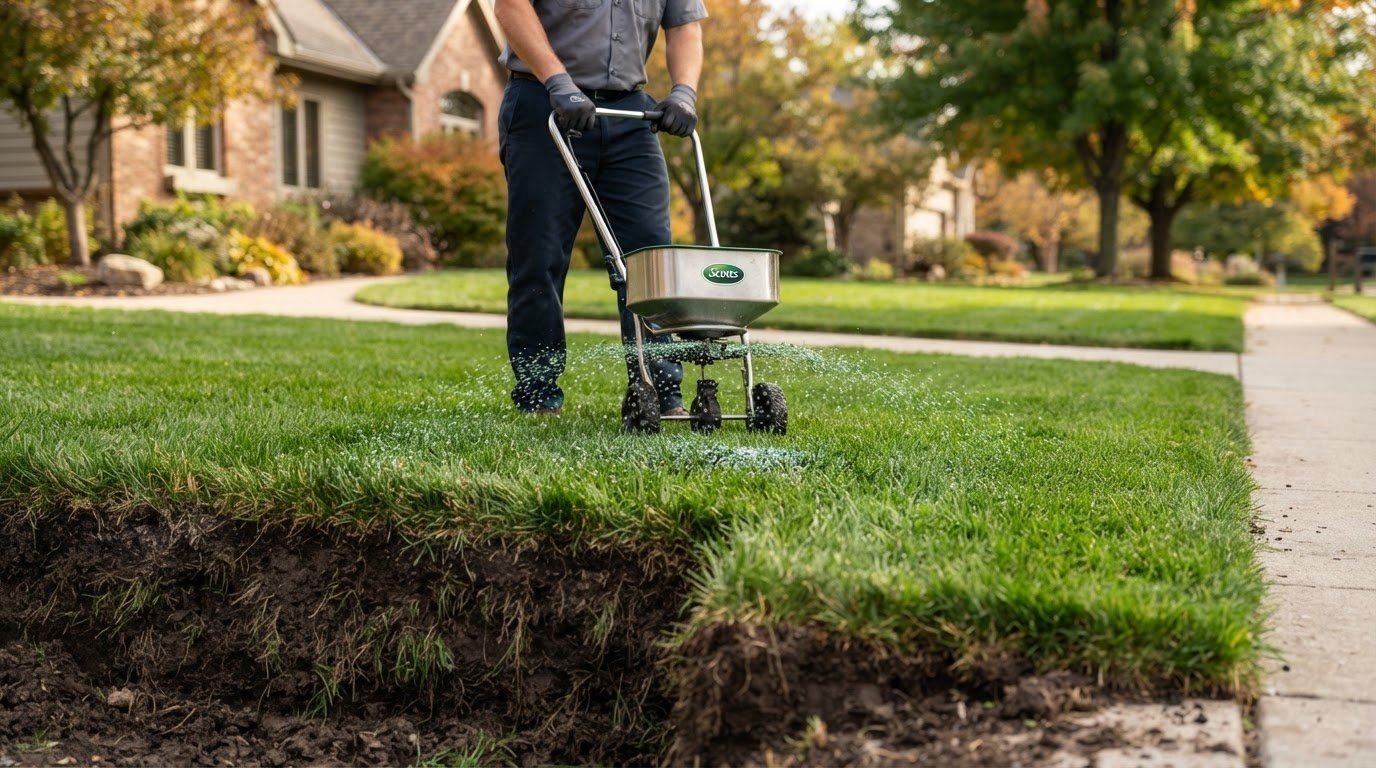
We don't just apply product and leave. Our team practices diligent early-season scouting to catch subtle signs of stress before they become visible brown patches. By maintaining balanced nutrition through the precise science of our 6-step fertilization, we prevent the "feast or famine" nutrient cycle that often triggers outbreaks. Expert application ensures every square inch of your property receives even coverage. This level of detail is something that's simply hard to replicate with consumer-grade spreaders and general-purpose chemicals.
Reclaiming Your Yard with Yardworx
Our commitment to your lawn's health goes beyond simple maintenance. We guide you through the entire process, from the initial diagnosis to full turf recovery. As a locally owned business, we take pride in providing neighborly service that treats your property with the same care we give our own. You don't have to spend your weekends worrying about brown spots or wasting money on ineffective chemicals. Let our team handle the logistics while you enjoy the results. Get your free lawn treatment estimate today and take the first step toward a worry-free, vibrant landscape.
Securing a Vibrant Lincoln Lawn for the Seasons Ahead
Maintaining a resilient landscape in Lincoln requires more than just luck; it takes a proactive strategy tailored to our unique climate. By understanding the signs of common lawn diseases Nebraska homeowners face, you can step in early and prevent minor spots from becoming major eyesores. Remember that simple adjustments to your mowing height and watering schedule provide the foundation for a healthy yard. However, for those persistent fungal pressures that require more than just cultural care, you don't have to tackle the science alone.
Our team of locally owned Lincoln experts is here to take the burden off your shoulders. We combine years of local experience with professional-grade preventative fungicides and our proven 6-step fertilization results to keep your turf thick and green all year long. You deserve to spend your weekends relaxing on a beautiful lawn rather than worrying about its health. Protect your lawn with Yardworx and schedule your 6-step program today. We look forward to being your trusted partner in creating a landscape you can truly enjoy.
Frequently Asked Questions
What is the most common lawn disease in Lincoln, NE?
Brown Patch is widely considered the most frequent issue among common lawn diseases Nebraska homeowners face during the summer. This fungus thrives when Lincoln temperatures exceed 80 degrees and humidity remains high overnight. It primarily targets Tall Fescue, creating large circular patches of tan or brown grass. Our 6-step program includes monitoring for these specific local conditions to catch outbreaks before they spread across your entire property.
Can I mow my lawn if it has a fungal disease?
You can still mow your lawn, but you must take specific steps to prevent the fungus from spreading. Always mow the infected areas last and thoroughly clean your mower blades with a disinfectant afterward. Ensure your blades are razor-sharp to avoid tearing the grass. Shredded leaf tips provide an easy entry point for spores, making a clean cut your best defense during an active fungal outbreak.
How much does it cost to treat lawn fungus in Nebraska?
Professional treatment costs vary based on your lawn's size and the severity of the infection. While we don't provide flat pricing without seeing your property, investing in a preventative 6-step program is generally more cost-effective than attempting multiple curative rescue treatments. Professional-grade products offer longer residual protection than retail options, which often saves homeowners money by preventing the need for total turf renovation or overseeding later.
Will lawn disease go away on its own in the winter?
Unfortunately, fungal pathogens don't die off just because the temperature drops. Most lawn diseases go dormant in the soil or thatch layer during a Lincoln winter, waiting for the return of spring moisture and summer heat. Without professional intervention or a change in cultural practices, the same issues will likely reappear once conditions become favorable again. This is why consistent, year-round maintenance is vital for breaking the cycle.
How do I know if my lawn has grubs or a disease?
The best way to tell is the "Tug Test." If you can pull up a handful of brown grass and it lifts away like a piece of loose carpet, you likely have grubs eating the roots. If the grass stays firmly rooted but the blades themselves are spotted, shriveled, or covered in a powdery substance, you're dealing with a disease. Our team can provide a precise diagnosis to ensure you don't waste money.
Is it safe for pets to be on the lawn after a fungus treatment?
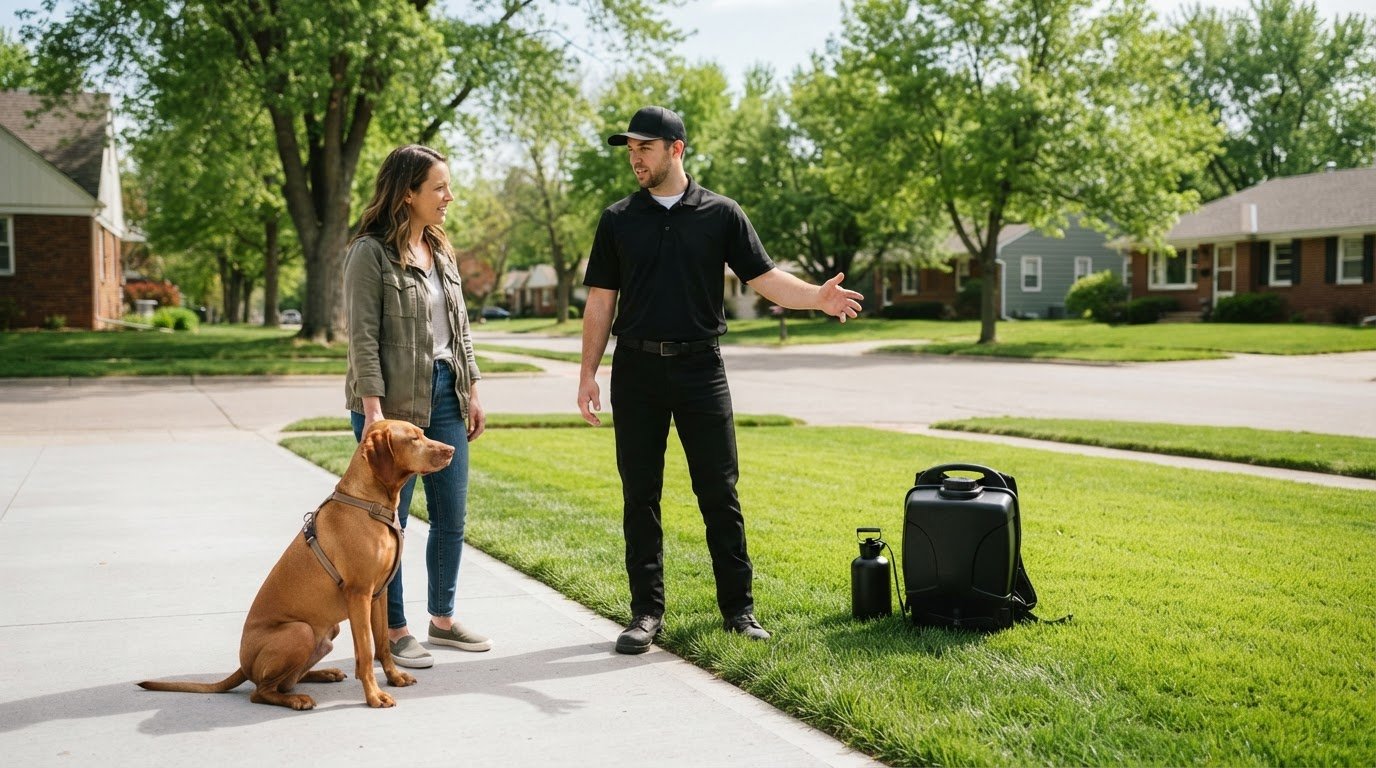
Most modern lawn treatments are designed with family and pet safety in mind. As a general rule, you should keep pets and children off the grass until the application has completely dried. This usually takes a few hours depending on the temperature and humidity levels in Lincoln. Once the product is dry, it binds to the plant or soil, allowing your furry friends to return to their favorite outdoor spaces.
How often should I aerate my lawn to prevent disease?
We recommend professional aeration at least once per year, ideally during the fall. Lincoln's soil is often heavy with clay, which leads to quick compaction and thick thatch buildup. These conditions trap moisture and create a perfect environment where diseases thrive. By aerating annually, you improve airflow and drainage, which are two of the most effective natural deterrents against the fungal pathogens that threaten our local Nebraska turf.
Can over-fertilizing cause lawn disease?
Yes, excessive nitrogen can actually trigger certain outbreaks. Over-fertilizing, especially in the early spring, forces the grass to grow too quickly, resulting in soft, succulent leaf tissue that fungi easily penetrate. This is why our 6-step fertilizing program uses a balanced approach. We provide the precise amount of nutrients your lawn needs to stay strong without creating the weak, overgrown blades that invite common lawn diseases Nebraska yards often battle.